
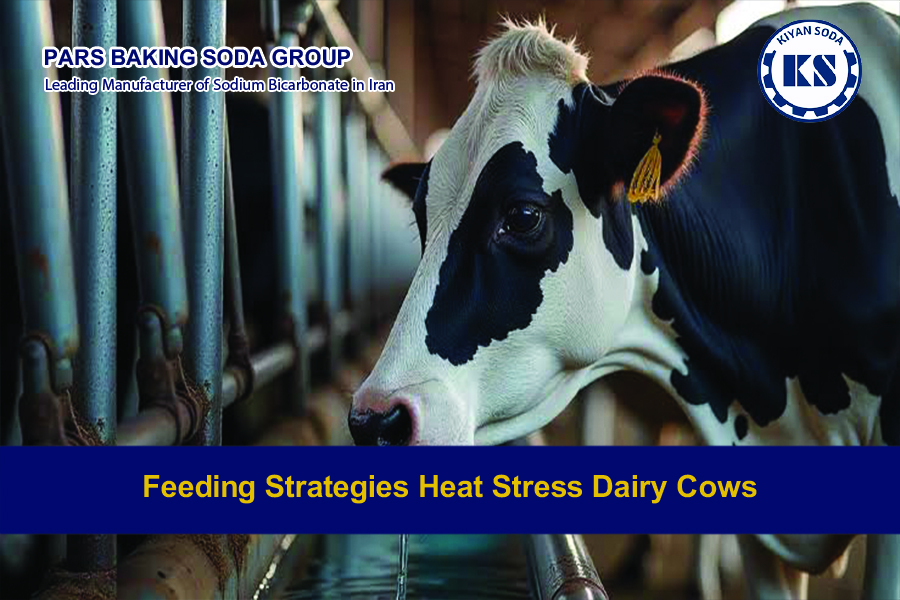

Heat stress is a major challenge in dairy production, particularly during periods of prolonged high temperatures and humidity. As environmental heat load increases, dairy cows change their feeding behavior, reduce feed consumption, and alter their metabolism to limit internal heat production. These responses can reduce nutrient intake, compromise milk production, and disrupt rumen function. Developing effective feeding strategies heat stress dairy cows requires more than increasing dietary energy concentration. Ration formulation must account for changes in dry matter intake (DMI), rumen fermentation, electrolyte requirements, and the cow’s ability to dissipate heat. Understanding dry matter intake heat stress cattle responses is essential for maintaining physically effective fiber and supporting rumen buffering capacity. A coordinated approach involving ration adjustments, feeding management, mineral supplementation, and dietary buffers can help maintain nutrient intake and rumen stability.
How Heat Stress Affects Dry Matter Intake and Rumen Function
Understanding the physiological effects of heat stress is essential before making nutritional adjustments. Elevated temperatures influence feeding behavior and digestive processes, creating challenges that cannot be addressed through ration changes alone.
Changes in Feeding Behavior and Dry Matter Intake
One of the most noticeable responses to heat stress in cows is reduced dry matter intake. As temperatures rise, cows generally spend less time eating during the hottest hours and shift more feeding activity toward cooler periods. They may also reduce meal size or change the frequency of visits to the feed bunk.
The relationship between dry matter intake and heat stress in cattle is important because reduced consumption limits the supply of energy, protein, fiber, and minerals required for milk production and maintenance. This dry matter intake heat stress cattle response can also affect milk yield, although heat stress influences nutrient metabolism and energy distribution between maintenance and production independently of feed consumption.
When cows consume less feed, they receive fewer nutrients even if the ration was originally formulated to meet their requirements. Consequently, maintaining nutrient intake becomes a central objective of feeding strategies heat stress dairy cows. Evaluating dry matter intake heat stress cattle patterns helps identify when ration or management adjustments may be needed.
Effects on Rumen Fermentation and Stability
Heat stress can influence rumen function through several mechanisms. Increased respiration and panting help cows dissipate heat but can alter blood acid-base balance and increase bicarbonate losses. Changes in feeding patterns may also reduce rumination and saliva production.
Saliva provides bicarbonate and phosphate, which contribute to the rumen’s natural buffering capacity. Reduced chewing and rumination can therefore weaken this protective mechanism. Changes in meal patterns may cause greater fluctuations in rumen pH. When cows consume a larger proportion of their daily concentrate in fewer meals, acid production may increase over shorter periods. Combined with insufficient physically effective fiber, this can increase the risk of ruminal acidosis. However, heat stress does not automatically cause ruminal acidosis. Its development depends on starch fermentability, fiber effectiveness, feeding frequency, and overall ration composition. Maintaining rumen stability therefore requires attention to both feed formulation and feeding practices.
Adjusting Ration Composition to Maintain Dry Matter Intake
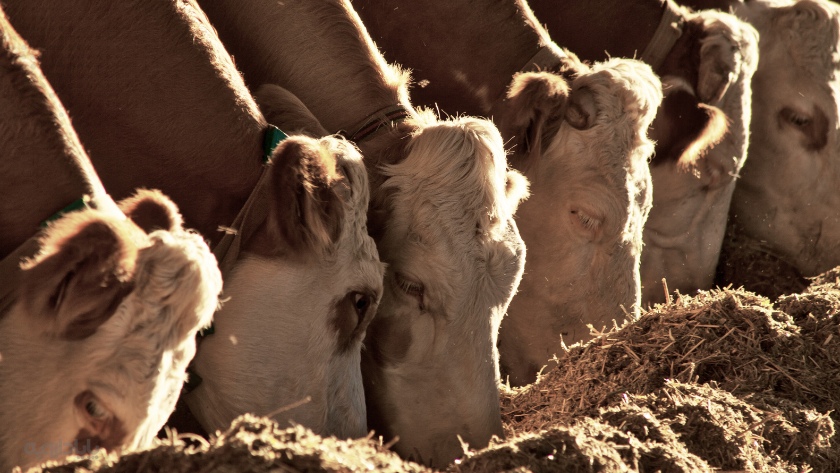
When heat stress reduces feed consumption, ration adjustments should compensate for lower nutrient intake without creating additional digestive challenges. The objective is to increase energy and nutrient supply per kilogram of dry matter while maintaining favorable rumen conditions. This is particularly relevant when assessing dry matter intake heat stress cattle challenges and planning changes to dietary energy supply.
Increasing Dietary Energy Density
Increasing dietary energy density can help compensate for reduced DMI. However, adding more rapidly fermentable carbohydrates may increase acid production and negatively affect rumen pH. Dietary fat can provide an alternative energy source because it generally produces less fermentation-related heat than carbohydrates. Depending on its source and fatty acid profile, supplemental fat can increase energy intake without substantially increasing ruminal fermentation.
Nevertheless, fat supplementation must remain within appropriate limits. Excessive unsaturated fatty acids can interfere with rumen microbial activity, fiber digestion, and milk fat synthesis. Rumen-inert fat sources may be considered when additional energy is needed, depending on the existing ration and total fat concentration. The objective is to improve energy intake through a balanced combination of digestible ingredients rather than relying on a single nutrient source. This is a key consideration when developing feeding strategies heat stress dairy cows.
Managing Fiber and Forage Quality
Fiber management is particularly important during hot weather. Although reducing dietary fiber may appear to increase energy density, excessive reductions can decrease rumination, saliva production, and natural rumen buffering. The focus should instead be on providing sufficient physically effective neutral detergent fiber (peNDF) through digestible forage and appropriate particle size. Physically effective fiber stimulates chewing and rumination, supporting saliva secretion and helping stabilize rumen pH.
Forage digestibility also deserves attention. Low-quality, highly lignified forage can limit feed intake and energy availability. More digestible forage sources may improve nutrient consumption while maintaining adequate fiber. Particle size should be managed carefully to prevent feed sorting. If cows selectively consume fine particles and leave longer forage components, the ration actually consumed may contain less effective fiber than intended. Consistent mixing and monitoring of refusals help identify this problem.
Balancing Dietary Protein and Fat
Protein formulation should reflect actual requirements rather than simply increasing crude protein concentration. Excess dietary protein, particularly when rumen-degradable protein is not matched with available energy, can increase nitrogen losses and the metabolic cost of nitrogen excretion.
Balancing rumen-degradable and rumen-undegradable protein helps improve nitrogen utilization and supports milk protein production. Similarly, dietary fat should be evaluated in relation to total ration composition. Appropriate supplementation can increase energy density, but excessive fat may impair fiber digestion and rumen fermentation. These adjustments should be assessed alongside DMI, milk fat, and production responses.
Feeding Management Practices During Heat Stress
Even a well-formulated ration may fail to deliver its intended nutritional value if feeding management does not account for changes in cow behavior. Improving feed availability, freshness, and accessibility can encourage consumption and support more consistent rumen fermentation.
- Feeding Frequency and Timing
Shifting a greater proportion of feed delivery to cooler periods, particularly early morning and late evening, can encourage feed consumption. Cows are generally more willing to approach the feed bunk when environmental conditions are less stressful. Increasing feeding frequency can also maintain feed freshness and encourage more regular intake. Smaller, more frequent feeding opportunities may reduce the likelihood of large meals and support a consistent supply of fermentable nutrients to the rumen.
Feed availability should remain consistent throughout the day. Empty bunks and insufficient feeding space can increase competition, especially when cows are already reducing their feeding activity. Adequate access to fresh feed is therefore an important component of feeding strategies heat stress dairy cows. Water availability is equally important. Heat-stressed cows increase water consumption to support evaporative cooling and maintain hydration. Clean water should be continuously accessible, with sufficient drinking space and flow rate to prevent competition.
- TMR Management and Feed Freshness
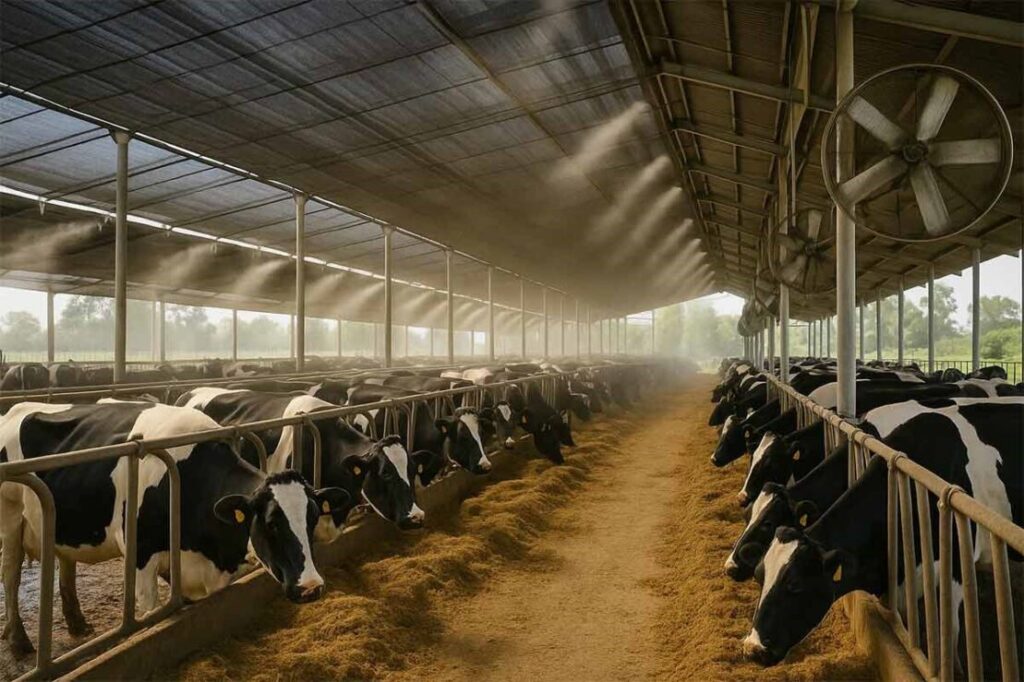
Total mixed ration (TMR) management requires additional attention during hot weather because elevated temperatures accelerate microbial activity and feed spoilage. Heated or deteriorated feed may become less palatable, discouraging adequate consumption. Feed should be delivered fresh, and bunks cleaned regularly to remove spoiled leftovers. TMR moisture must also be controlled. Adding water may reduce sorting in some rations, but excessive moisture can encourage heating and spoilage when feed remains in the bunk for extended periods. Regular feed push-ups help maintain access to the ration between feeding times. Monitoring refusals can also reveal sorting, reduced appetite, or inconsistent mixing.
Supporting Rumen Stability Through Buffers and Nutritional Additives
Ration composition and feeding management provide the foundation for rumen health, but additional nutritional support may be necessary under certain conditions. Heat stress can increase the importance of dietary buffering and mineral balance, particularly when DMI declines or the ration contains substantial amounts of rapidly fermentable carbohydrates.
Dietary Buffers and Rumen pH Regulation
Rumen pH reflects the balance between acid production, absorption, saliva secretion, and the buffering capacity of rumen contents. During heat stress, reduced rumination and changes in feeding behavior may weaken some of the natural mechanisms that regulate this balance. Sodium bicarbonate is a commonly used dietary buffer in dairy cattle nutrition. When dissolved in rumen fluid, it provides bicarbonate ions that participate in acid-base reactions and help moderate changes in ruminal acidity.
Using sodium bicarbonate as rumen buffer can be particularly relevant in diets containing substantial amounts of concentrate or fermentable carbohydrates, especially when effective fiber intake is limited. It can support rumen pH regulation and help maintain conditions favorable to microbial activity.
However, sodium bicarbonate cannot replace appropriate ration formulation. It does not compensate for insufficient physically effective fiber, excessive starch fermentability, poor forage quality, or inconsistent feeding practices. Its inclusion should be based on the complete ration, existing sodium supply, expected DMI, and production requirements.
DCAD and Electrolyte Management
Electrolyte management becomes especially important during hot weather because dairy cows experience changes in mineral losses and fluid balance. Potassium is particularly relevant because its losses through perspiration may increase under heat stress. Adequate dietary potassium may help meet increased requirements, but supplementation should be based on ration analysis rather than a fixed recommendation. High potassium concentrations can interfere with magnesium absorption, making magnesium supply another important consideration.
Dietary cation-anion difference (DCAD), commonly calculated using sodium, potassium, chloride, and sulfur concentrations, provides a framework for evaluating mineral balance. An appropriate DCAD can support acid-base regulation and may help maintain feed intake and production during hot weather. Sodium bicarbonate and potassium-based supplements should be evaluated alongside the existing concentrations of sodium, potassium, chloride, and magnesium. Their use should address identified nutritional needs rather than involve unnecessary mineral additions.
Other Nutritional Additives
Live yeast products, microbial feed additives, antioxidants, and selected vitamins and minerals have also been investigated for potential benefits during heat stress. Live yeast may support rumen microbial activity and fermentation under certain dietary conditions. However, responses vary depending on the product, supplementation level, basal ration, and stage of lactation.
Antioxidant nutrients such as vitamin E and selenium are relevant to physiological responses associated with oxidative stress. Nevertheless, supplementation beyond established nutritional requirements should not automatically be expected to improve performance. Additives should be selected according to specific nutritional needs and available scientific evidence. They should complement, rather than replace, adequate ration formulation, water availability, and environmental heat management.
Monitoring Nutritional Performance During Heat Stress
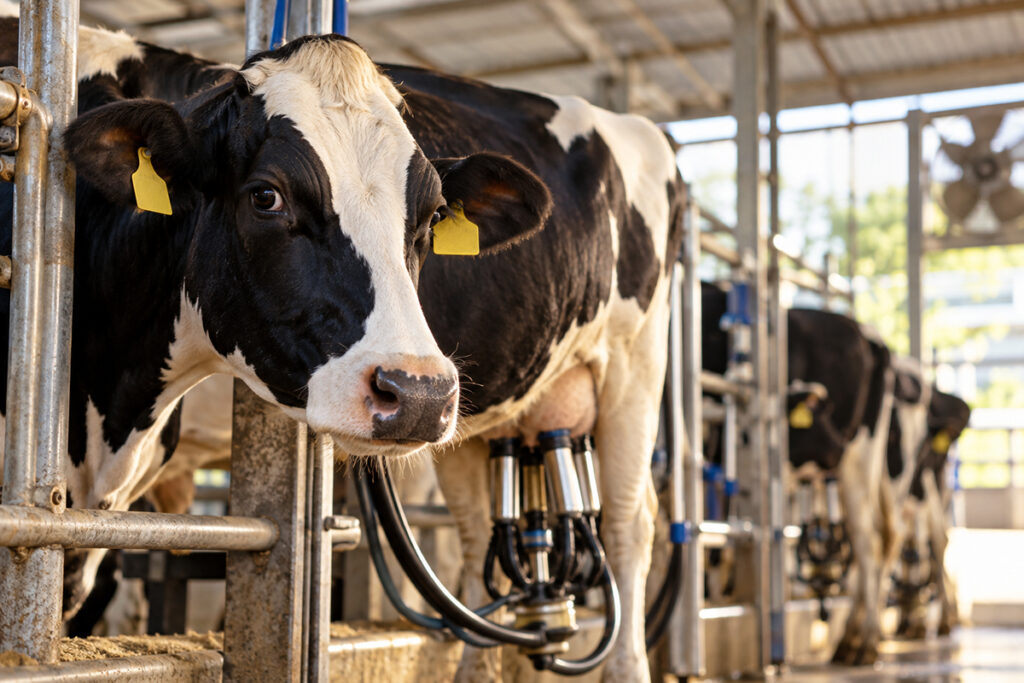
Summer feeding management requires continuous evaluation rather than relying only on the ration formulated before hot weather begins. Regular monitoring helps identify nutritional problems before they result in substantial production losses. Tracking dry matter intake heat stress cattle trends against the herd’s normal performance can help detect emerging problems. Dry matter intake should be recorded consistently and compared with the herd’s recent baseline, considering lactation stage, ration changes, and environmental conditions. Milk yield and components, particularly milk fat and protein, provide additional information about nutritional performance and possible changes in rumen fermentation.
Other useful indicators include rumination time, feed refusals, sorting behavior, manure consistency, and drinking activity. A decline in rumination combined with reduced DMI or changes in milk fat may indicate that the ration or feeding routine requires reassessment. Intervention should be considered when DMI declines persistently or deviates substantially from the herd’s normal pattern. For example, a reduction exceeding 10% compared with the recent weekly average can serve as a practical warning signal, although it is not a universal diagnostic threshold. The change should be evaluated alongside temperature-humidity conditions, production data, and individual cow health.
Initial checks should include water access, feed freshness, bunk availability, ration mixing, and sorting. A nutritionist can then determine whether adjustments to energy density, effective fiber, starch fermentability, buffers, or electrolyte concentrations are necessary. Monitoring the response after each adjustment helps determine whether changes are effective.
Conclusion
Maintaining dry matter intake and rumen stability during hot weather requires coordinated nutritional and management decisions. Effective feeding strategies heat stress dairy cows should improve nutrient availability while protecting the digestive processes that support milk production. Three practical questions can guide summer ration management:
Does the ration provide sufficient physically effective fiber with appropriate forage quality and particle size?
Are feeding times, feed freshness, and bunk availability adapted to cooler periods and changing feeding behavior?
Are dietary buffers and electrolyte concentrations appropriate for the actual ration composition and mineral requirements?
Addressing these priorities, together with continuous monitoring and adequate water access, can help reduce the nutritional consequences of heat stress and maintain more consistent herd performance.
Frequently Asked Questions
Heat stress generally reduces feed consumption and changes feeding patterns. Cows tend to eat less during hot periods, limiting energy and nutrient intake and potentially contributing to reduced milk production.
Sodium bicarbonate can help buffer rumen acidity and moderate changes in rumen pH. However, its effectiveness depends on the complete ration and it should not replace adequate effective fiber or proper feeding management.
Potassium supports fluid balance and normal physiological functions. Because potassium losses may increase through sweating during hot weather, dietary levels should be evaluated and adjusted according to the cow’s requirements and overall mineral balance.
There is no single adjustment that works for every herd. Maintaining feed availability, improving forage digestibility, providing adequate effective fiber, appropriately increasing energy density, and ensuring balanced electrolyte supply should be considered together.