
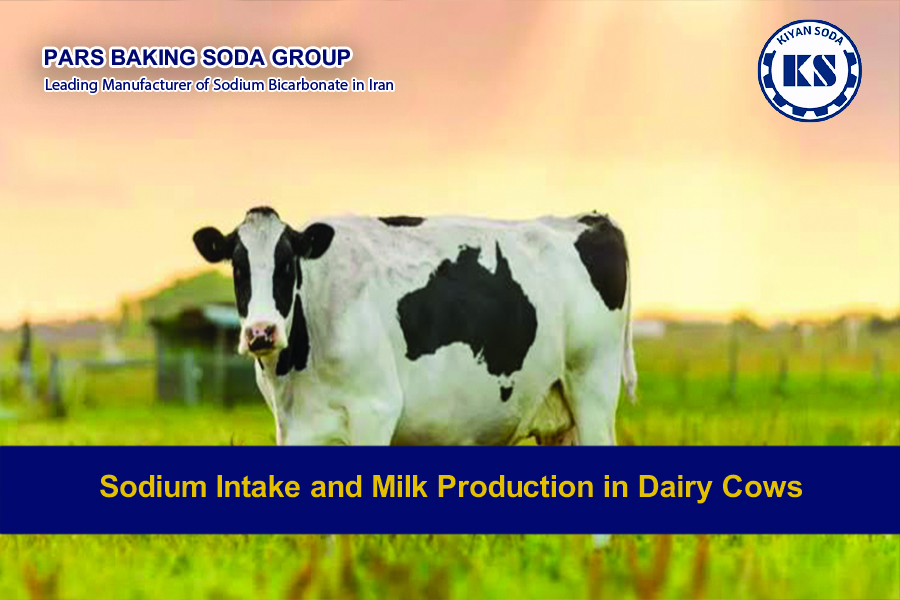


Water intake, mineral supply, and milk synthesis are closely connected in lactating dairy cows. Sodium supports osmotic regulation, nutrient transport, and acid–base balance. Changes in sodium intake can influence thirst, but higher water consumption does not automatically increase milk yield; responses depend on DMI, ration composition, water quality, and environment. Understanding sodium intake dairy cows means accounting for sodium in feed and drinking water, not just one additive.
The Role of Sodium in Dairy Cow Physiology
Sodium helps maintain extracellular fluid volume and works with potassium and chloride in osmotic regulation and membrane transport. Sodium-dependent mechanisms also contribute to glucose and amino acid absorption, while bicarbonate participates in acid–base regulation.
- Sodium Functions in Fluid Regulation and Nutrient Transport
As the dominant extracellular cation, sodium influences water movement between body compartments. The kidneys regulate its excretion and reabsorption, while losses occur through feces, urine, saliva, and milk. These losses matter in high-producing cows because lactation continuously exports water and minerals. Adequate sodium therefore supports normal function and lactation, but excess sodium is largely excreted rather than stored, increasing the need for water.
- Dietary Sodium Requirements and Sources in Dairy Cows
Sodium requirements vary with body weight, milk production, DMI, physiological stage, and the whole ration. NASEM (2021) estimates approximately 59 g/day, or 0.21% of diet dry matter, for a 650-kg cow consuming 28 kg of dry matter and producing 45 kg of milk. This is an illustrative calculation, not a universal target. Sources include forage, concentrates, mineral supplements, sodium chloride, sodium bicarbonate, and drinking water. Sodium intake dairy cows should be assessed from total daily intake, not one additive’s inclusion rate.
How Dietary Sodium Intake Influences Water Consumption
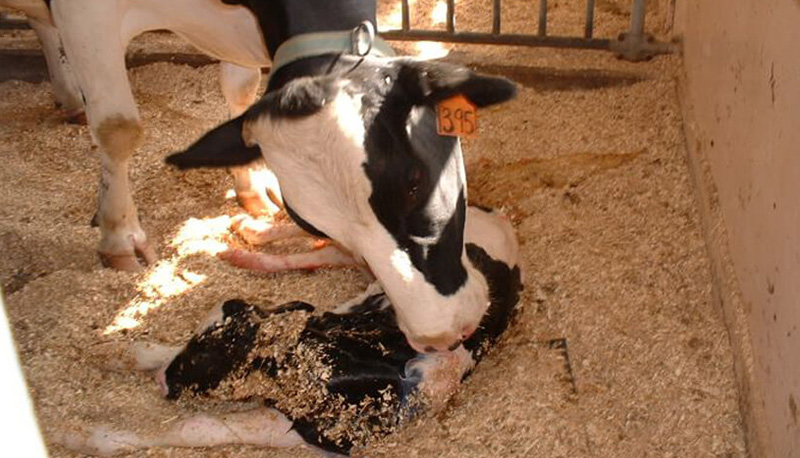
Sodium affects drinking behavior through osmotic regulation. When intake rises, thirst and renal adjustments help maintain extracellular fluid concentration, often increasing water consumption and urinary output.
The Relationship Between Sodium Intake and Thirst Regulation
Absorbed sodium contributes to extracellular osmolality, stimulating thirst and hormonal responses. The kidneys adjust sodium and water excretion to maintain fluid balance.
The relationship described by dietary sodium water consumption cows is not one-to-one. Water intake also reflects milk yield, DMI, ration moisture, temperature, and access to troughs. In early-lactation Holsteins, water intake was associated with DMI, milk production, sodium intake, and minimum temperature.
Factors That Modify Water Consumption in Lactating Cows
Lactating cows need water for metabolism, digestion, thermoregulation, and milk synthesis. Intake generally rises with milk production and DMI and is influenced by ration composition, temperature, humidity, and trough access. This explains why dietary sodium water consumption cows cannot be evaluated in isolation. Clean water with adequate flow and trough space is essential. Poor access can reduce DMI and milk production even when dietary sodium is adequate.
Water Quality Matters: How Salinity Interacts With Sodium Balance
Water quality must be evaluated alongside dietary minerals. Total dissolved solids (TDS) reflect several ions; chloride, sulfate, and magnesium can affect palatability and mineral load. Testing sodium alone is insufficient. Results depend on the salinity range and conditions. This is another reason dietary sodium water consumption cows evaluations should include both feed and water analyses. In a 1995 Arava Desert trial, cows receiving desalinated water drank 10.6 L/day more and produced 35.2 versus 33.1 kg of milk than cows receiving salty water.
A 2025 study tested a much narrower, relatively low salinity range and reported greater feed intake and milk production as salinity increased within that range. These findings underline the importance of water composition and baseline conditions.
Sodium Intake, Fluid Balance, and Milk Production
Milk production depends on water, nutrient intake, and metabolic function. Sodium supports fluid regulation, but its effect on yield depends on overall nutritional status.
- How Water Availability and Electrolyte Balance Affect Milk Yield
Water is a major component of milk. Inadequate intake can cause dehydration and reduce DMI, limiting nutrients for milk synthesis. The dietary sodium water consumption cows relationship should be assessed alongside milk yield, DMI, urine output, and environmental conditions. Practical dietary sodium water consumption cows assessments must consider the full ration.
- The Consequences of Inadequate Sodium Intake
Insufficient sodium can impair physiological regulation and reduce appetite, DMI, and production. Sodium is continuously lost through milk, feces, urine, and saliva. Reduced intake or unusual licking may prompt evaluation, but is not diagnostic. Assess total sodium concentration and daily intake using actual DMI and water contribution. Accurate sodium intake dairy cows calculations should include the mineral contribution from drinking water. Correcting a deficiency is different from adding sodium to a ration that already meets requirements.
- Why More Sodium Does Not Necessarily Mean More Milk
More sodium can stimulate water intake and urinary excretion without increasing milk. In a 2014 controlled study, sodium bicarbonate raised dietary sodium from 0.20% to 0.50% of dry matter and increased free-water intake, but did not change milk yield or prevent the heat-related decline in DMI. The authors noted that the basal diets’ high electrolyte balance may have influenced the result.
In mid- to late-lactation cows fed a low-roughage diet, reducing sodium from 0.61% to 0.45% of dry matter did not change energy-corrected milk yield, although DMI and sodium excretion differed. Responses therefore depend on the starting diet and production context. Thus, sodium intake dairy cows should be optimized, not maximized. The practical objective in sodium intake dairy cows management is to meet requirements while limiting avoidable mineral excretion. Excess can increase water and urinary mineral losses; deficiency can impair function. Neither higher water intake nor a higher sodium concentration alone proves improved milk production.
Sodium Bicarbonate and Electrolyte Balance in Dairy Cattle
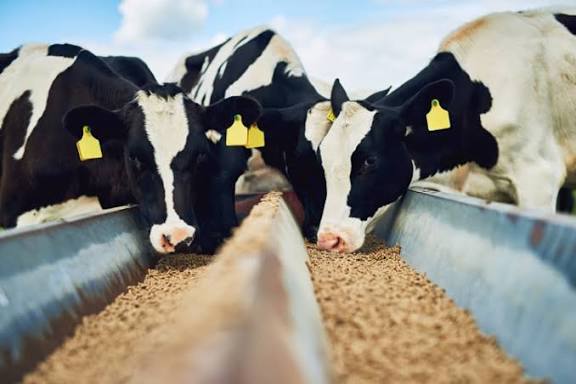
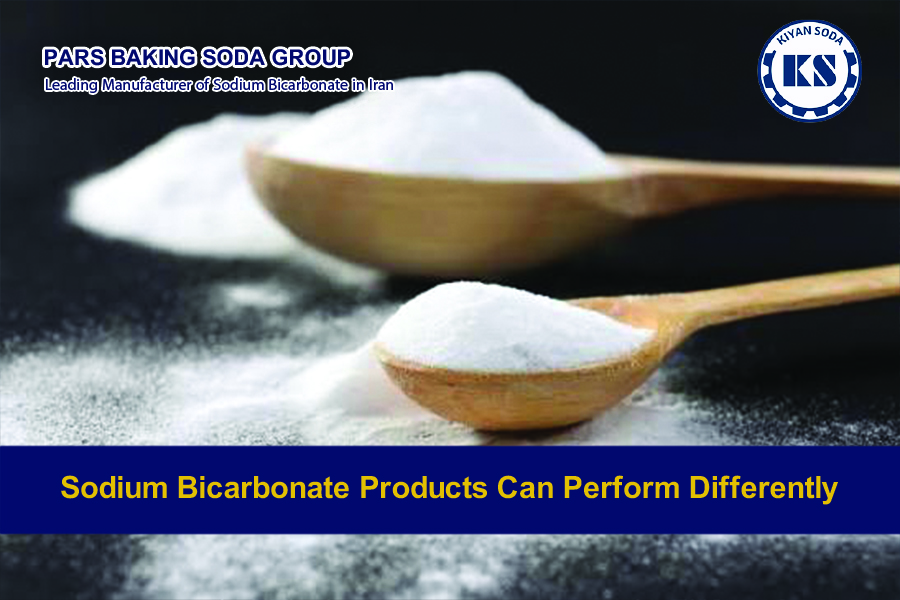
Sodium bicarbonate supplies sodium, while its bicarbonate component can help neutralize ruminal acids. Its value depends on the ration, physiological stage, and total dietary cation–anion balance.
- Feed-Grade Sodium Bicarbonate as a Dietary Sodium Source
Feed grade sodium bicarbonate contributes sodium, but is not interchangeable with every sodium source. Sodium chloride supplies chloride, whereas sodium bicarbonate supplies bicarbonate; these anions have different effects on acid–base balance and dietary electrolyte calculations. When using feed grade sodium bicarbonate, account for sodium in forage, concentrates, mineral premixes, and water. Determine inclusion from the complete ration, not simply to stimulate drinking.
- Sodium Bicarbonate as a Rumen Buffer
As a rumen buffer, sodium bicarbonate can moderate declines in ruminal pH, particularly in high-concentrate diets rich in fermentable carbohydrate. When acid production exceeds absorption and buffering capacity, ruminal pH can fall, potentially impairing fiber digestion and contributing to subacute ruminal acidosis. Responses vary by ration. A review of 41 experiments found that, in diets averaging 57% concentrate with corn silage as the main forage, supplementation was associated with 0.8 kg/day more milk and 1.6 kg/day more 4% fat-corrected milk. Responses were inconsistent with grass or legume silage or hay, and limited with cottonseed-hull-based diets. These are conditional findings, not guaranteed gains.
- Sodium Bicarbonate Supplementation and Its Effects on Milk Production
The role of electrolyte balance / sodium bicarbonate must be assessed within the full ration. Dietary cation–anion difference (DCAD), commonly calculated from sodium, potassium, chloride, and sulfur, helps evaluate the acid–base effects of mineral supply. Sodium bicarbonate can raise sodium and DCAD, so potassium, chloride, sulfur, and production stage must also be considered.
The objective is to meet a demonstrated nutritional need or buffer where appropriate. Supplementation should be based on ration analysis, forage characteristics, milk components, and professional formulation—not on an assumption of guaranteed milk-yield improvement.
Environmental Factors and Practical Feeding Strategies
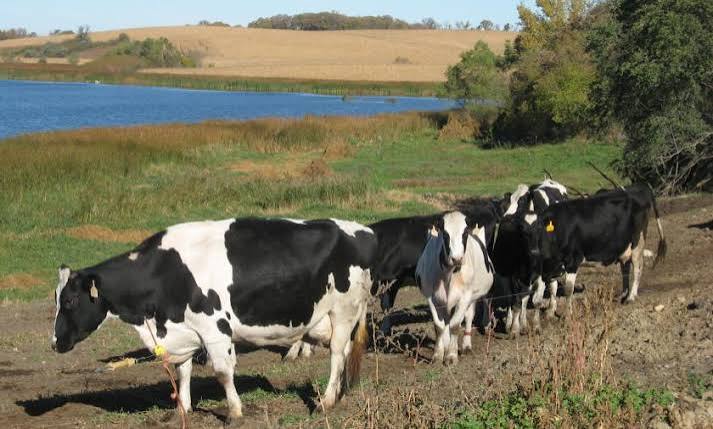
Environmental conditions alter water needs and mineral responses. Management combines ration formulation, water access, and monitoring.
- Heat Stress in Cows and Its Effects on Water and Electrolyte Balance
During heat stress in cows, faster respiration and sweating increase water losses, while reduced DMI may lower sodium and other mineral intake. Respiratory changes can also affect acid–base balance, making water access and ration evaluation especially important. Additional sodium or sodium bicarbonate does not automatically correct heat-related production losses. In the 2014 study, supplementation increased water intake but did not prevent the heat-associated DMI decline or increase milk yield; the basal ration’s electrolyte balance was a likely factor.
- Managing Sodium and Water Intake Under Different Environmental Conditions
Analyze feed and drinking water, calculate daily sodium intake from actual DMI, and consider milk output and lactation stage. In hot weather, provide clean water, sufficient trough access, shade, ventilation, and cooling where appropriate. Reassess the ration when forage, water quality, or production conditions change.
- Practical Takeaways for Dairy Producers
Formulate sodium supply for the whole ration, including mineral supplements and drinking water. Do not assume that increased water consumption will produce more milk.
Test water for TDS and relevant ions when salinity or mineral contamination is suspected.
Use sodium bicarbonate where ration characteristics justify its buffering role, and calculate its contribution to total sodium and DCAD. Monitor DMI, milk yield, milk components, and cow behavior after any meaningful ration change.
Conclusion
For dietary sodium water consumption cows management, feed and water must be evaluated together. Successful sodium management balances mineral supply, water intake, rumen function, and production demands. Adequate sodium supports fluid regulation, but excess may increase water and urinary losses without improving yield. Sodium bicarbonate can serve as a sodium source and rumen buffer when justified by the ration. Feed and water analysis are more reliable than assuming more sodium or drinking will produce more milk.
Frequently Asked Questions
The key is to assess total sodium from feed and water against the cow’s requirements, rather than maximizing supplementation.
Not in every situation. Sodium can influence thirst and renal water handling, but the response also depends on DMI, milk production, temperature, water availability, and the overall electrolyte composition of the diet.
Sodium can affect thirst and urinary water loss, but DMI, milk yield, temperature, and water quality also shape drinking behavior.
Not necessarily. Some studies report production responses under particular dietary or environmental conditions, while others show increased water intake without a change in milk yield. Meeting requirements is more important than maximizing sodium intake.
Yes. Sodium bicarbonate supplies sodium as well as bicarbonate. Its use should be included in total ration calculations and evaluated for its effects on dietary electrolyte balance.
It can help buffer ruminal acidity in suitable diets, especially those with high fermentable carbohydrate loads. The magnitude of response depends on forage type, concentrate proportion, feeding management, and baseline rumen conditions.
Water contributes to hydration, digestion, thermoregulation, and milk synthesis. High concentrations of dissolved salts or specific ions can affect palatability and mineral intake, so water quality should be assessed together with the ration.