

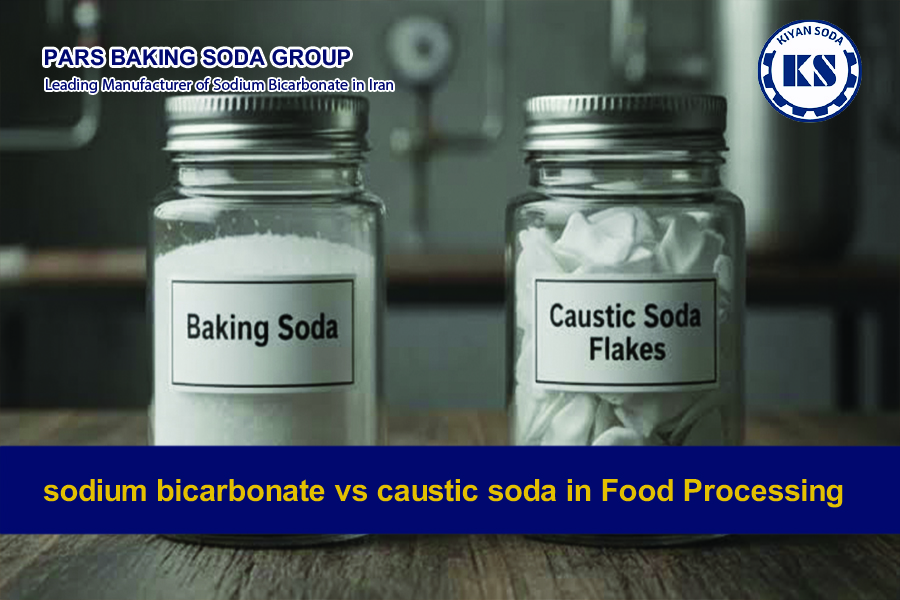
Food processing often requires carefully controlled alkaline conditions to adjust acidity, influence ingredient functionality, and maintain consistent product quality. However, not all alkaline substances behave in the same way. Caustic soda (sodium hydroxide) provides strong alkalinity and is valuable in applications requiring substantial pH changes or intensive chemical action. Its corrosive properties, however, make handling and process control more demanding. Sodium bicarbonate offers a different approach. With its mild alkalinity and buffering characteristics, it can be a more manageable option in food applications where strong alkaline action is unnecessary. The comparison of sodium bicarbonate vs caustic soda is therefore not simply about chemical strength. It involves evaluating safety, pH control, product characteristics, and processing requirements. Understanding these differences helps food manufacturers select an appropriate ingredient while maintaining operational efficiency and product quality.
Understanding the Chemical Differences Between Sodium Bicarbonate and Caustic Soda
Although both compounds are alkaline sodium-based substances, their chemical properties and behavior in aqueous solutions differ considerably. Understanding these differences is the first step in evaluating sodium bicarbonate vs caustic soda for specific food manufacturing requirements.
Chemical Properties and Alkalinity of Sodium Bicarbonate
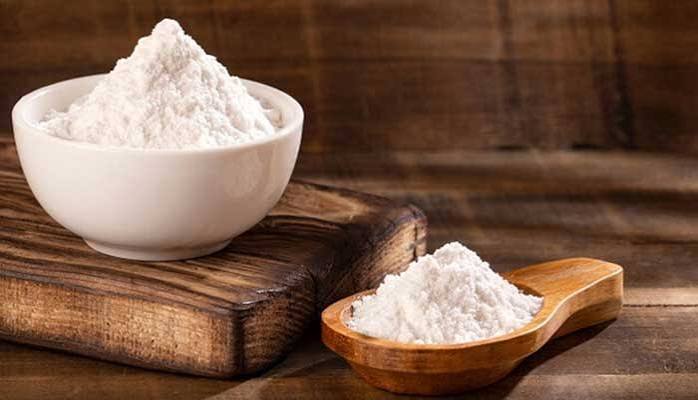
Sodium bicarbonate (NaHCO₃), also known as sodium hydrogen carbonate or baking soda, is a white crystalline powder that dissolves in water to produce a mildly alkaline solution. A 0.1 mol/L aqueous solution typically has a pH of approximately 8.3 at 25°C, although the actual value depends on concentration, temperature, and solution composition.
Unlike strong bases, sodium bicarbonate does not create highly alkaline conditions when dissolved in water. Its bicarbonate ions participate in acid-base equilibria, allowing the compound to react with acidic substances and influence the pH of a formulation.
Another important property is its buffering behavior. Bicarbonate-containing systems can moderate pH changes under suitable conditions, making them useful in formulations where gradual adjustment is preferable to a rapid increase in alkalinity.
Chemical Properties and Alkalinity of Caustic Soda
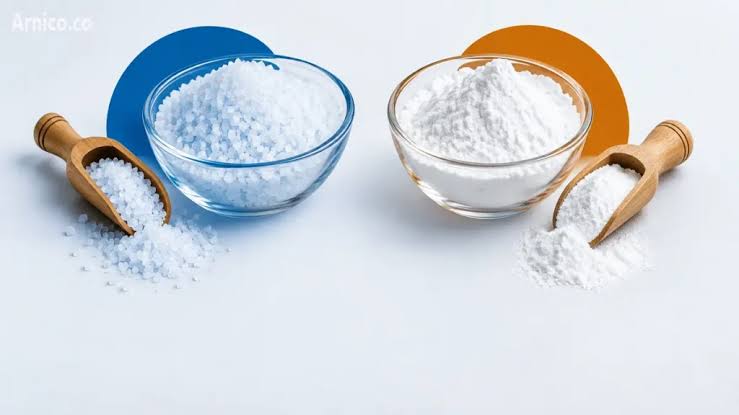
Caustic soda, chemically known as sodium hydroxide (NaOH), is a strong inorganic base. When dissolved in water, it dissociates extensively into sodium and hydroxide ions. The hydroxide ions produce its strong alkaline properties and ability to raise pH significantly.
This makes sodium hydroxide effective in applications requiring substantial chemical action, including industrial cleaning, degreasing, and certain food-processing treatments. However, concentrated sodium hydroxide solutions are highly corrosive and can cause severe skin and eye injuries. Dissolving solid sodium hydroxide in water also releases considerable heat, requiring appropriate handling and dilution procedures.
The main distinction in sodium bicarbonate vs caustic soda is therefore the difference between mild bicarbonate alkalinity and strong hydroxide-based alkalinity. Neither is universally preferable; the appropriate choice depends on the intended application.
Why Sodium Bicarbonate Can Be a Safer Option in Food Processing
Safety is an important consideration when selecting chemicals for food manufacturing. Their handling characteristics influence workplace risks, storage requirements, and operational procedures.
Lower Corrosiveness and Reduced Handling Risks
One of the main advantages of sodium bicarbonate is its substantially lower corrosive potential compared with concentrated caustic soda. Food-grade sodium bicarbonate does not present the same severe chemical-burn hazards associated with concentrated sodium hydroxide solutions.
This difference can simplify certain handling activities, including weighing, storage, transfer, and preparation. Employees must still follow appropriate procedures to control airborne powder and prevent eye irritation, but the risks associated with accidental contact are generally less severe.
Caustic soda requires more stringent precautions. Depending on its physical form and concentration, handling may involve chemical-resistant gloves, protective clothing, eye and face protection, suitable containers, and controlled dosing systems. Accidental splashes can cause serious injuries, while incorrect dilution procedures can generate substantial heat.
When evaluating sodium bicarbonate vs caustic soda, manufacturers should consider not only chemical performance but also the risks associated with routine handling.
Implications for Food Manufacturing Environments
In facilities where alkaline ingredients are regularly prepared and added to production batches, ease of handling can influence workflow and employee safety. Sodium bicarbonate may be preferable when moderate pH adjustment is sufficient and stronger alkaline action offers no additional processing benefit.
Its comparatively mild behavior can reduce certain handling risks and simplify ingredient preparation. Nevertheless, proper storage, dust control, employee training, and regulatory compliance remain essential.
Choosing sodium bicarbonate does not automatically make an entire production process safer. Equipment design, operating temperature, chemical concentration, and cleaning procedures also affect workplace safety. Manufacturers should assess whether the operational benefits of a milder ingredient justify its use in each application rather than assuming that it is suitable for every alkaline process.
pH Control and Process Stability: Where Sodium Bicarbonate Has an Advantage
Precise pH management is essential in many food manufacturing operations. Acidity influences flavor, color, texture, protein functionality, and ingredient stability. Selecting an appropriate pH-adjusting agent can therefore affect production consistency and finished-product characteristics.
Mild Alkalinity and Gradual pH Adjustment
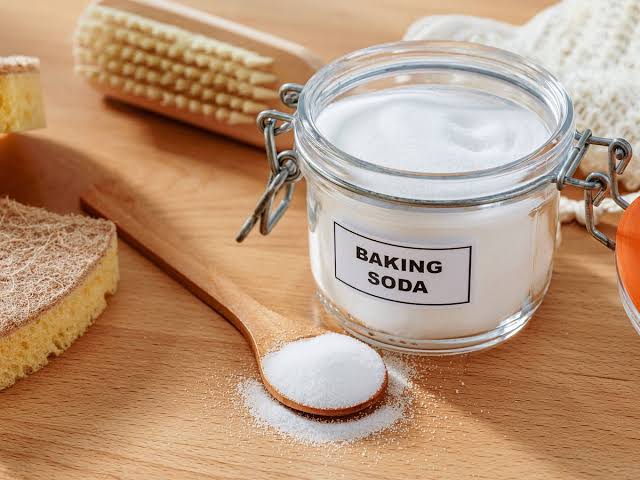
The relatively mild alkalinity of sodium bicarbonate makes it useful when manufacturers need to increase pH without creating an excessively alkaline environment.
Understanding the pH of sodium bicarbonate solutions is important in this context. A typical 0.1 mol/L aqueous solution has a pH of approximately 8.3 at 25°C. However, this should not be interpreted as a fixed value for every formulation. The final pH depends on the amount added, initial acidity, buffering capacity of other ingredients, temperature, and overall composition.
In certain meat-processing applications, sodium bicarbonate can modify pH and influence water retention and texture. It may also help neutralize excess acidity in selected food formulations. By comparison, concentrated caustic soda can cause substantial pH changes even at relatively low addition levels. This makes accurate dosing and process monitoring particularly important when working with sensitive ingredients.
Buffering Capacity and Greater Process Control
Sodium bicarbonate participates in the carbonic acid-bicarbonate equilibrium. Under suitable conditions, this system can moderate changes in pH when acidic substances are introduced.
This characteristic is useful in formulations where gradual pH adjustment and control over acidity are more important than achieving high alkalinity. However, buffering capacity is finite and depends on concentration, available acidic components, temperature, and carbon dioxide exchange.
In the comparison of sodium bicarbonate vs caustic soda, this distinction is important. Sodium bicarbonate can provide more manageable pH adjustment in suitable applications, whereas sodium hydroxide is better suited to processes that specifically require strong alkalinity.
Practical Applications of Sodium Bicarbonate in Food Processing
Sodium bicarbonate has several established applications in food manufacturing. Its functions extend beyond pH adjustment to include leavening and selected ingredient-processing operations.
pH Adjustment in Food and Beverage Production
Sodium bicarbonate can neutralize excess acidity and modify the pH of selected food products. Its application depends on the formulation and the desired characteristics of the finished product.
In certain meat formulations, for example, controlled pH adjustment can influence protein functionality, water retention, texture, and cooking yield. Research has demonstrated that sodium bicarbonate can improve some of these properties in specific meat batters. However, excessive addition may negatively affect color, texture, and sensory quality.
In beverage production, bicarbonate may also be used in selected formulations to adjust acidity. Manufacturers must account for its reaction with acidic ingredients, which can release carbon dioxide and influence the product’s physical and sensory properties.
For these applications, selecting Food Grade Baking Soda is essential. Food-grade specifications help ensure that the ingredient meets applicable purity and contaminant requirements. Manufacturers should verify product documentation, supplier specifications, and regulatory compliance for the intended market and application.
Baking and Leavening Processes
One of the best-known applications of sodium bicarbonate is its use in bakery products. When it reacts with suitable acidic ingredients, it releases carbon dioxide gas. These gas bubbles contribute to the expansion of dough and batter during mixing and baking.
The reaction depends on available acids, moisture, temperature, and formulation conditions. If the mixture does not contain sufficient acidic ingredients, sodium bicarbonate may be combined with food-grade acid salts to produce baking powder.
The function of sodium bicarbonate as a leavening agent is important because the amount and timing of gas release influence the volume, texture, and internal structure of baked products. Incorrect proportions can leave alkaline residues, resulting in undesirable flavors, color changes, or uneven texture. This application demonstrates why sodium bicarbonate and caustic soda cannot be treated as interchangeable ingredients. Sodium bicarbonate has a specific functional role in bakery formulations that does not require the strong alkalinity of sodium hydroxide.
Food Ingredient Processing and Formulation
Beyond baking and pH adjustment, sodium bicarbonate serves as a functional ingredient in selected food formulations. Depending on the product, it can influence texture, water retention, and the behavior of other ingredients.
In meat processing, changes in pH can affect the interaction between muscle proteins and water. Carefully controlled bicarbonate addition may improve certain functional properties, although results vary with meat type, concentration, processing time, and formulation.
Sodium bicarbonate is also used in selected cocoa-processing applications and other specialized food operations where pH modification is required. In these situations, sodium bicarbonate vs caustic soda should be evaluated according to the actual processing objective. A mild alkaline ingredient may be sufficient for formulation adjustments, while more demanding chemical treatments may require a stronger agent.
When Caustic Soda Is Still Necessary: Understanding the Limitations
Despite its advantages, sodium bicarbonate cannot replace caustic soda in every food-processing application. The two compounds perform different chemical functions, and certain industrial operations specifically require the strong alkalinity of sodium hydroxide.
Caustic soda is used in selected food-processing treatments, including olive curing and certain chemical treatments of food ingredients. It is also widely used in cleaning-in-place (CIP) systems to remove protein-based and other organic residues from processing equipment.
In these applications, the chemical strength of sodium hydroxide is a functional requirement. Sodium bicarbonate generally cannot provide equivalent performance because its alkalinity is considerably lower. Replacing caustic soda in a process designed for strong alkaline action could result in incomplete cleaning, inadequate treatment, longer processing times, or failure to achieve the required product characteristics.
Therefore, sodium bicarbonate vs caustic soda should not be approached as a choice between eliminating one chemical and using the other universally. Manufacturers should identify where strong alkalinity is necessary and avoid using highly corrosive substances when a milder ingredient can achieve the same technical objective.
How Food Manufacturers Can Choose Between Sodium Bicarbonate and Caustic Soda
Selecting an alkaline ingredient requires evaluating the technical requirements of each production operation. A careful assessment of sodium bicarbonate vs caustic soda should consider several factors:
- Target pH: Determine whether the process requires mild alkalinity or a substantial pH increase.
- Product sensitivity: Assess potential effects on flavor, color, texture, and stability.
- Process function: Distinguish between pH adjustment, leavening, ingredient treatment, and industrial cleaning.
- Safety requirements: Evaluate handling risks, protective equipment, storage conditions, and employee training.
- Regulatory compliance: Confirm that the selected substance and its intended use meet applicable food regulations and good manufacturing practices.
- Process economics: Compare ingredient costs, dosing requirements, equipment compatibility, and operational controls.
A practical evaluation should also include formulation trials under actual production conditions. Measuring pH alone may not be sufficient; manufacturers should assess sensory properties, functional performance, and finished-product quality.
Conclusion
Sodium bicarbonate offers food manufacturers a useful alternative to caustic soda in applications requiring mild alkalinity, controlled pH adjustment, or specific functional properties. Its lower corrosive potential and buffering behavior can make it a more manageable option for suitable food formulations. However, it cannot replace sodium hydroxide in processes that depend on strong alkaline action, including certain specialized treatments and industrial cleaning operations.
Ultimately, selecting between these substances requires balancing chemical performance, product quality, operational safety, and regulatory compliance. Choosing the least aggressive ingredient that reliably achieves the intended processing objective can support safer handling and more consistent manufacturing outcomes.
Frequently Asked Questions
Generally, sodium bicarbonate presents lower handling risks because it is substantially less corrosive than concentrated sodium hydroxide. However, both substances must meet applicable food-grade requirements when used in food applications, and appropriate handling procedures remain necessary.
No. Sodium bicarbonate is suitable for selected pH-adjustment and formulation applications, but it cannot provide the strong alkalinity required for certain chemical treatments and industrial cleaning operations. Replacement must be evaluated according to the specific process.
Sodium bicarbonate reacts with acidic substances and participates in a bicarbonate buffering system. This allows it to moderate acidity and provide gradual pH adjustment in suitable formulations. Its effectiveness depends on concentration, temperature, and the composition of the food mixture.
Manufacturers should evaluate purity specifications, contaminant limits, supplier documentation, regulatory requirements, and suitability for the intended application. The selected ingredient must also meet the formulation’s functional and quality requirements.