
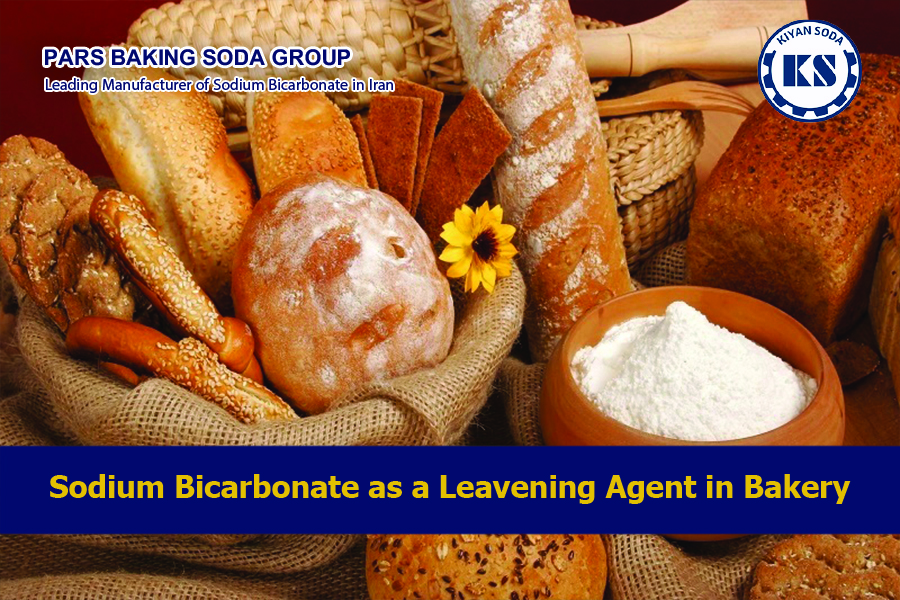


Sodium bicarbonate, commonly known as baking soda, is a widely used food ingredient in bakery and confectionery production. As a baking soda leavening agent, it reacts with suitable acidic components to generate carbon dioxide (CO₂), helping doughs and batters expand during processing. In addition to leavening, sodium bicarbonate can influence pH, browning, color, texture, spread, and other quality characteristics of baked products. The performance of sodium bicarbonate depends on the complete formulation rather than on dosage alone. Acid availability, moisture, particle size, dispersion, processing temperature, and the desired final pH can all affect its performance. For food manufacturers, understanding these factors is important for achieving consistent product quality.
Sodium bicarbonate is also recognized internationally as sodium hydrogen carbonate and is identified as INS 500(ii) in the Codex system. FDA food-ingredient information identifies sodium bicarbonate among substances used for technical effects including leavening and pH control.
How Baking Soda Works as a Leavening Agent
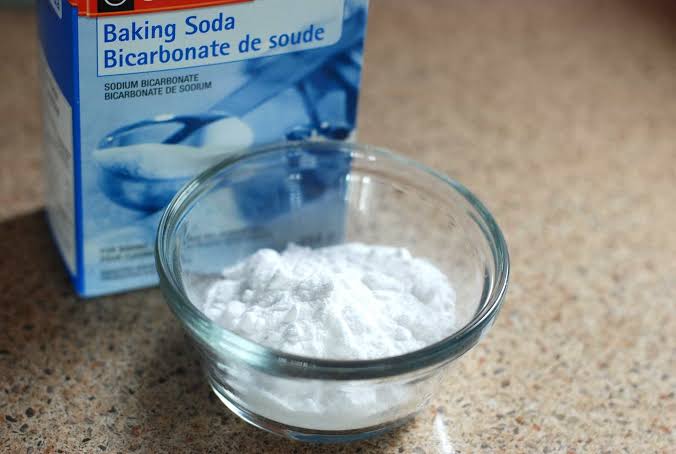
Sodium bicarbonate functions primarily through an acid–base reaction. When it encounters a suitable acid in the presence of moisture, bicarbonate reacts with hydrogen ions to form carbon dioxide, water, and a salt.
The simplified reaction is:
Sodium bicarbonate + Acid → Carbon dioxide + Water + Salt
At the ionic level:
HCO₃⁻ + H⁺ → CO₂ + H₂O
The released carbon dioxide becomes incorporated into gas cells within the dough or batter. As temperature rises during baking, these gas cells expand while proteins, starches, fats, and other components undergo changes that help establish the final structure.
Effective leavening therefore depends on both gas generation and gas retention. Excessively rapid gas release may occur before the product structure is strong enough to retain it, while insufficient gas generation can result in low volume and a dense texture.
Chemical Reaction and Carbon Dioxide Formation
The amount of carbon dioxide generated depends on the available sodium bicarbonate and the acidity of the formulation. Increasing baking soda does not necessarily produce greater or better leavening. If insufficient acid is available, some bicarbonate may remain unreacted and increase residual alkalinity.
Sodium bicarbonate can also undergo thermal decomposition:
2 NaHCO₃ → Na₂CO₃ + CO₂ + H₂O
This reaction can release carbon dioxide without an added acid, but it also produces sodium carbonate, which is more alkaline. For controlled bakery formulations, the acid–bicarbonate reaction is generally the more useful mechanism for managing leavening and final product characteristics.
The Role of pH
The pH of sodium bicarbonate should be discussed in terms of an aqueous solution because pH is not a property measured directly in the dry powder. Sodium bicarbonate produces a mildly alkaline solution, while the final pH of a bakery product depends on the complete formulation and processing conditions. pH can affect browning, color, flavor, protein and starch behavior, and the activity of other ingredients. Therefore, formulators should consider the target pH of the finished product when determining bicarbonate levels.
Applications of Baking Soda in Bakery Products
Sodium bicarbonate is used in different bakery products, but its function and required level depend on formulation, acidity, moisture, processing conditions, and desired product characteristics.
- Cakes and Muffins
In cakes and muffins, sodium bicarbonate can generate carbon dioxide when sufficient acidity is available. The resulting gas contributes to batter expansion and crumb development.
Acidic components may come from ingredients such as cultured dairy products or from specific leavening acids. Because cake batters are sensitive to changes in gas release and pH, the balance between bicarbonate and acidity is important for achieving consistent volume, color, flavor, and crumb structure.
- Cookies and Biscuits
Baking soda is widely used in cookies and biscuits, where it can affect not only expansion but also spread, browning, crispness, and texture. The appropriate bicarbonate level depends on the composition of the product. Flour, sugar, fat, moisture, and available acidity can all influence the way sodium bicarbonate behaves during baking. Excessive alkalinity may result in an undesirable flavor or overly dark color, while insufficient bicarbonate may limit the intended formulation effects.
- Pancakes, Waffles, and Other Baked Products
In pancakes, waffles, and similar batter-based products, bicarbonate can provide rapid gas generation when an appropriate acid source is present. Because these products are generally processed over a relatively short period, the timing of carbon dioxide release is important. The leavening system must generate gas while the batter can still expand and develop a stable structure.
Crackers and other baked products may also use sodium bicarbonate when controlled porosity, color, crispness, or texture is required. In these applications, the desired degree of aeration may differ considerably from that of cakes, so bicarbonate levels should be determined according to the complete formulation.
Role of Baking Soda in Confectionery
In confectionery and baked-confectionery products, sodium bicarbonate can perform functions beyond conventional leavening. Its influence on pH can affect browning, color, texture, and interactions between formulation components.
An increase in formulation pH can affect the rate and extent of browning during thermal processing. This can be useful when a particular surface color is desired, but excessive alkalinity may produce an overly dark appearance or undesirable flavor.
Sodium bicarbonate can also contribute to differences in porosity, crispness, tenderness, spread, and overall texture through its effects on gas formation and pH. The final result depends on the complete product matrix, including sugar, fat, flour or starch, moisture, and processing conditions. For this reason, bicarbonate should be evaluated as part of the entire formulation rather than as an isolated ingredient.
Factors Affecting Baking Soda Performance
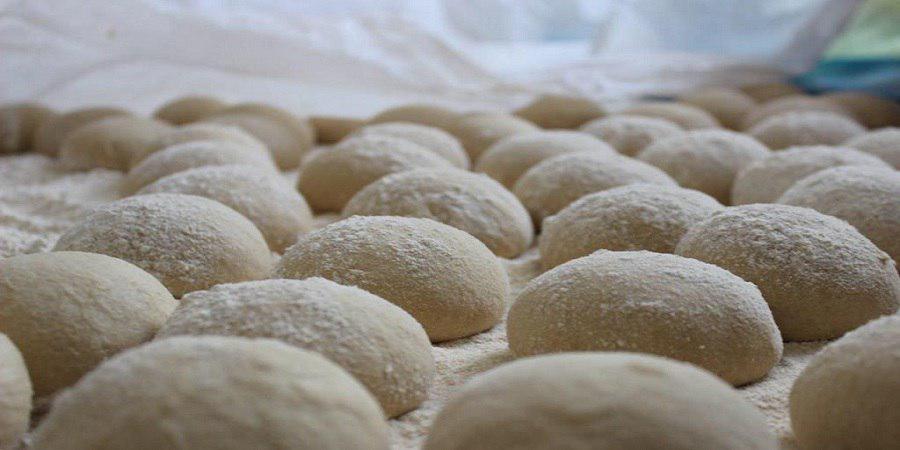
Several chemical and physical factors influence the performance of a baking soda leavening agent in commercial production.
- Acid-to-Bicarbonate Balance
The relationship between available acidity and sodium bicarbonate is one of the most important formulation variables. If bicarbonate exceeds the amount that can be effectively neutralized by the available acid, residual alkalinity may increase and affect pH, flavor, color, and texture. Conversely, insufficient bicarbonate relative to the available acidity may limit the intended contribution of the leavening system.
Manufacturers should therefore determine bicarbonate levels according to the complete recipe and target product characteristics rather than applying a fixed percentage across different products.
- Particle Size and Dispersion
Particle size can influence dissolution, reaction rate, and dispersion. Smaller particles generally have greater surface area and may become available for reaction more rapidly under suitable conditions.
However, particle size should be considered together with moisture, mixing, formulation, and the physical properties of the specific sodium bicarbonate grade.
Uniform dispersion is equally important. Poor distribution can create localized areas with excessive bicarbonate or insufficient acid, leading to inconsistent pH, color, flavor, and gas generation.
- Moisture, Processing, and Dosage
Moisture enables sodium bicarbonate and acidic components to interact effectively in many chemical leavening systems. Processing temperature then influences reaction kinetics, gas expansion, water evaporation, and structural setting.
Timing is particularly important: carbon dioxide needs to be generated while the dough or batter remains capable of expanding and retaining gas. Increasing the dosage does not automatically increase product volume. Excessive amounts may increase alkalinity and negatively affect sensory properties, while insufficient levels may reduce the desired leavening effect.
Baking Soda vs. Baking Powder
Baking soda and baking powder are both used for chemical leavening, but they are not interchangeable in every formulation.
| Characteristic | Baking Soda | Baking Powder |
| Main alkaline component | Sodium bicarbonate | Sodium bicarbonate |
| Acid source | Usually supplied by the formulation | Included within the leavening system |
| Main formulation consideration | Acid-to-bicarbonate balance | Balance between bicarbonate and included acids |
| Effect on pH | Can significantly influence formulation pH | Depends on the specific acid–base system |
| Typical use | Products containing suitable acidic components | Products requiring a more complete chemical leavening system |
Baking powder combines sodium bicarbonate with one or more acid-reacting components. This allows the acid source to be incorporated into the leavening system rather than relying entirely on acidic ingredients already present in the dough or batter.
Some baking powders are designed to release carbon dioxide at different stages of processing, providing greater control over gas release. The choice between baking soda and baking powder should therefore consider acid availability, target pH, desired gas generation, processing conditions, and the characteristics of the finished product.
Selecting Food-Grade Sodium Bicarbonate for Bakery Applications

For commercial bakery and confectionery manufacturers, choosing sodium bicarbonate involves more than selecting an ingredient with the correct chemical name. Consistent specifications and suitability for the intended food application are important for reliable production.
- Specifications and Purity
Manufacturers should consider relevant specifications such as purity, assay, moisture, applicable impurity limits, and regulatory requirements for the target market. For applications requiring controlled ingredient specifications, food grade sodium bicarbonate should be evaluated according to the intended product, processing conditions, and applicable food regulations.
- Particle Size and Batch Consistency
Particle-size distribution can affect dissolution, reaction behavior, mixing, and dispersion. Consistency between batches is also important because variations in chemical or physical properties can influence formulation performance. For industrial production, manufacturers may therefore consider not only chemical specifications but also physical properties and the supplier’s ability to provide consistent material from batch to batch.
- Storage and Quality Documentation
Sodium bicarbonate should be protected from excessive moisture and contamination during storage and handling. Appropriate packaging and storage conditions help maintain its physical properties and facilitate consistent dosing.
Quality documentation such as a certificate of analysis (COA), product specifications, and information about applicable food-grade requirements can also support quality assurance and supplier evaluation.
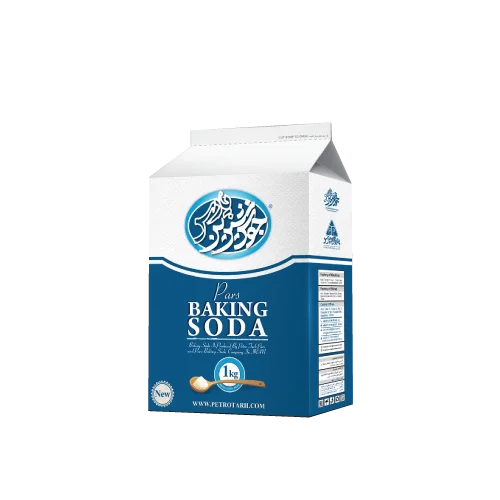
For manufacturers looking for a consistent supply option, Pars Baking Soda provides food-grade sodium bicarbonate for industrial applications according to the requirements of the intended use.
Conclusion
Sodium bicarbonate is an important ingredient in chemical leavening systems used across bakery and confectionery applications. When it reacts with suitable acidic components, it generates carbon dioxide that contributes to dough and batter expansion. Its effect on pH also allows it to influence browning, color, texture, spread, and other product characteristics.
The performance of a baking soda leavening agent depends on the complete formulation and processing conditions. Acid-to-bicarbonate balance, moisture, particle size, dispersion, dosage, and processing temperature all contribute to the final result. For commercial manufacturers, selecting a consistent food-grade sodium bicarbonate and controlling formulation variables are essential for predictable product quality. Evaluating product specifications, batch consistency, storage conditions, and quality documentation can also help manufacturers choose an appropriate ingredient supplier.
Frequently Asked Questions
Yes. Baking soda, or sodium bicarbonate, can function as a chemical leavening agent when it reacts with a suitable acid and produces carbon dioxide. It is particularly useful in formulations that contain sufficient acidic components. A baking soda leavening agent can therefore contribute to product expansion while also influencing pH and other quality characteristics.
Baking soda reacts with an acid in the presence of moisture to produce carbon dioxide, water, and a salt. The carbon dioxide becomes incorporated into gas cells in the dough or batter and contributes to expansion during processing.
Baking soda is primarily sodium bicarbonate and normally relies on an acid supplied by the formulation. Baking powder contains sodium bicarbonate together with acid-reacting components, allowing the leavening system to provide its own acid source.
Sodium bicarbonate can release some carbon dioxide through thermal decomposition without an added acid, but this also produces sodium carbonate and increases alkalinity. For controlled food formulation, the acid–bicarbonate balance should therefore be considered carefully.
Manufacturers should consider purity, moisture, particle-size distribution, batch consistency, applicable food-grade requirements, quality documentation, and storage conditions. Choosing a consistent food-grade baking soda can help support predictable formulation performance and product quality.