


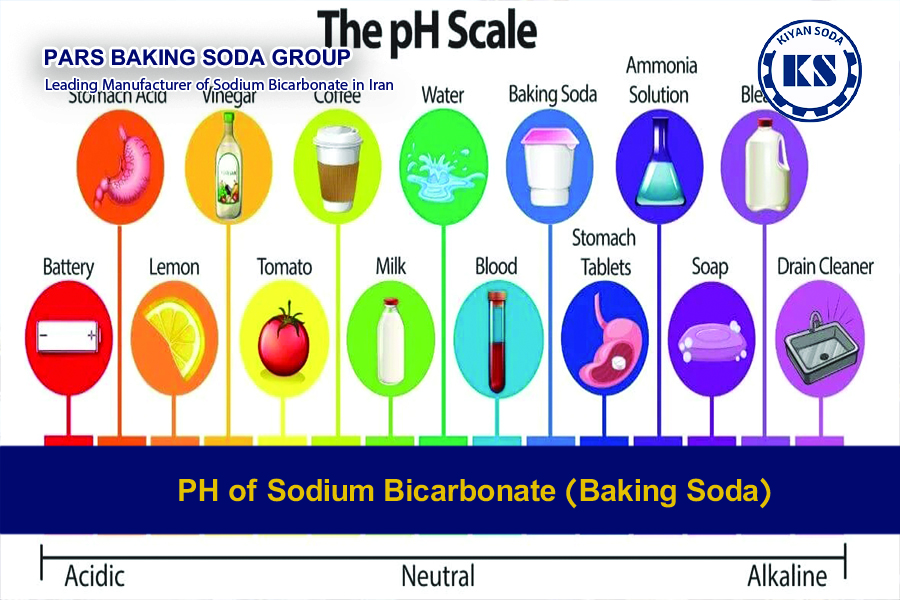
Sodium bicarbonate, commonly known as baking soda, is a versatile compound used in food production, animal nutrition, water treatment, chemical processing, and various industrial applications. One of its key chemical properties is its mildly alkaline nature, which determines how it interacts with acids and aqueous systems. Understanding the pH of sodium bicarbonate is important for manufacturers, formulators, and industrial users who need predictable performance in different applications. Although sodium bicarbonate is a single chemical compound, the concentration of its solution, temperature, water quality, and testing conditions can affect its measured pH. This article explains the pH of baking soda, why sodium bicarbonate is mildly alkaline, the factors that influence its pH, and how this property contributes to its practical applications.
What Is the pH of Sodium Bicarbonate?
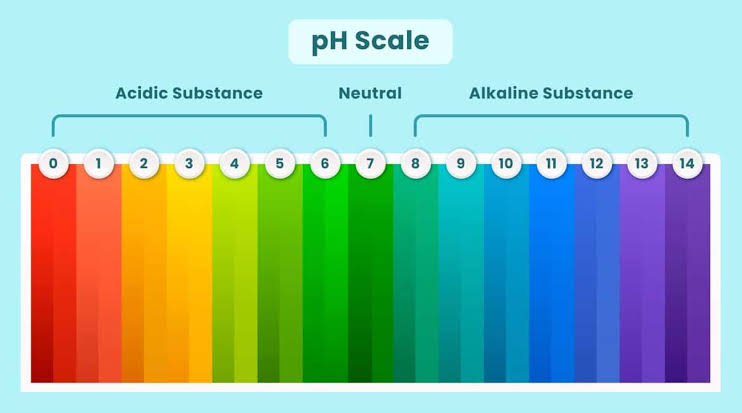
A typical aqueous solution of sodium bicarbonate has a pH of approximately 8.3, indicating that it is mildly alkaline. The exact value can vary depending on the concentration of the solution, temperature, water composition, dissolved carbon dioxide, and measurement conditions.
Sodium bicarbonate has the chemical formula NaHCO₃. When dissolved in water, it dissociates into sodium ions and bicarbonate ions. The bicarbonate ion participates in acid-base equilibria that give the solution its mildly alkaline character.
It is important to distinguish between the pH of a substance and the pH of its aqueous solution. Pure solid sodium bicarbonate does not have a pH in the same sense as a water-based solution. Therefore, references to the pH of sodium bicarbonate generally describe the pH measured after dissolving it in water under defined conditions.
Why Is Sodium Bicarbonate Alkaline?
The bicarbonate ion (HCO₃⁻) can both accept and donate a proton, depending on the chemical environment. In water, this amphiprotic behavior contributes to the mildly alkaline nature of a sodium bicarbonate solution. This property also explains its ability to react with acids. When sodium bicarbonate reacts with an acid, it can produce a corresponding salt, water, and carbon dioxide. For example:
NaHCO₃ + HCl → NaCl + H₂O + CO₂
Because this reaction occurs under relatively mild conditions, sodium bicarbonate can be useful where controlled acid neutralization is required without the strong alkalinity associated with substances such as sodium hydroxide.
What Is the pH of Baking Soda in Water?
The pH of baking soda in water is generally around 8.3 under commonly referenced conditions. However, this value should be considered an approximate reference rather than a fixed property. A change in concentration, temperature, water composition, or dissolved carbon dioxide can produce a different measurement. For this reason, technical specifications should always identify the testing conditions used to determine pH.
Factors That Affect the pH of Sodium Bicarbonate Solutions
Although sodium bicarbonate solutions are generally mildly alkaline, their measured pH can vary. Understanding these variables is important when laboratory results or product specifications are being compared.
- Concentration
The concentration of sodium bicarbonate in water can influence the measured pH. A pH value reported for a dilute solution should not automatically be assumed to apply to a solution prepared at a substantially different concentration. For technical and quality-control purposes, the concentration used during pH testing should therefore be clearly defined.
- Temperature
Temperature affects chemical equilibria and can influence the measured pH of an aqueous sodium bicarbonate solution. Measurements taken at different temperatures may not produce identical results. For consistent quality control, pH measurements should be performed under controlled and documented conditions.
- Water Quality and Dissolved Carbon Dioxide
The characteristics of the water used to prepare a sodium bicarbonate solution can affect its measured pH. Dissolved carbon dioxide is particularly relevant because it participates in the carbonic acid-bicarbonate equilibrium. Mineral content and other dissolved substances can also influence the final measurement. This is one reason laboratory testing conditions matter when comparing pH values.
- Measurement Conditions
The accuracy of a pH measurement depends on the condition and calibration of the pH meter, electrode performance, sample preparation, temperature, and testing procedure. Consequently, a reported pH value should always be interpreted together with its test method and conditions rather than treated as an absolute value for every sodium bicarbonate solution.
How Sodium Bicarbonate pH Compares With Other Substances
The mildly alkaline nature of sodium bicarbonate becomes clearer when it is compared with common acidic, neutral, and alkaline substances.
| Substance | Approximate pH | General Character |
| Lemon juice | 2 | Acidic |
| Vinegar | 2 | Acidic |
| Pure water | Around 7 | Neutral |
| Sodium bicarbonate solution | Around 8.3 | Mildly alkaline |
| Sodium carbonate solution | Around 11 | More strongly alkaline |
| Sodium hydroxide solution | 13 | Strongly alkaline |
Approximate values vary with concentration, temperature, and measurement conditions.
This comparison illustrates why sodium bicarbonate occupies a useful position between neutral water and strongly alkaline chemicals. Its moderate alkalinity allows it to participate in acid-neutralization and buffering systems without having the highly caustic properties associated with strong bases.
Practical Applications of Sodium Bicarbonate
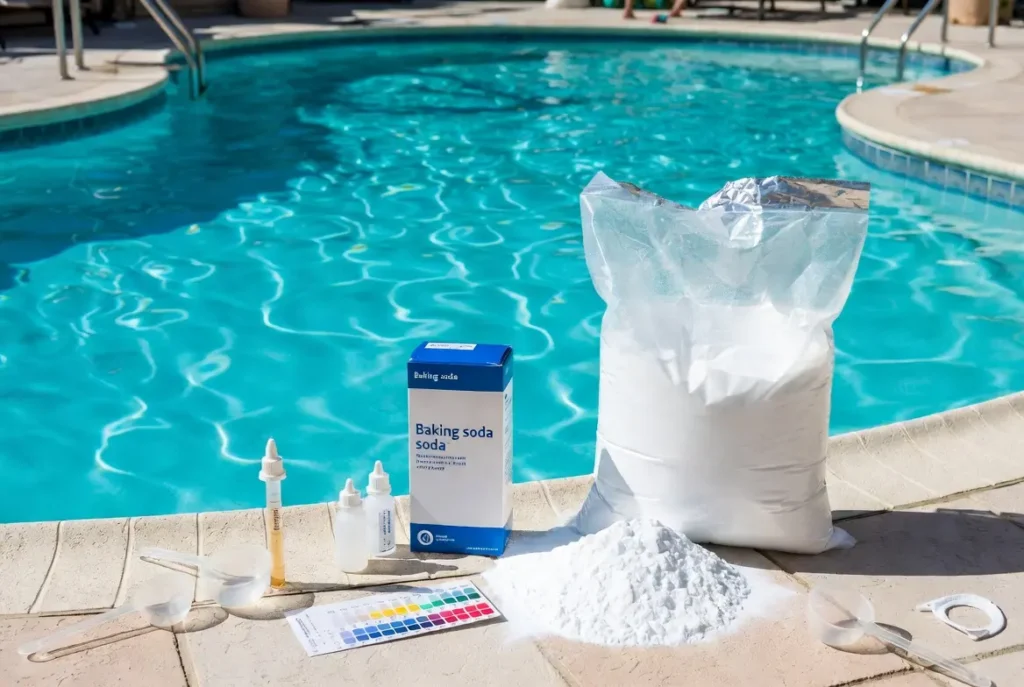
The acid-base behavior of sodium bicarbonate contributes to its broad range of applications. Its specific function depends on the formulation, grade, concentration, and requirements of the end-use process.
Food and Baking Applications
Food-grade sodium bicarbonate is widely used as a leavening agent in baked products. When it reacts with an appropriate acid, carbon dioxide is released, helping dough and batter expand during baking. Its chemical properties can also influence the pH of food formulations and contribute to browning, flavor development, and texture. Because food production is subject to strict quality and regulatory requirements, manufacturers should use sodium bicarbonate that meets the specifications applicable to food applications.
Animal Feed and Poultry Nutrition
Sodium bicarbonate is also used in animal nutrition, particularly in feed formulations for ruminants. Its buffering properties can contribute to maintaining an appropriate rumen environment when used as part of a properly balanced diet. In dairy cattle nutrition, sodium bicarbonate may be incorporated into rations where dietary buffering capacity is an important consideration. It can also be used in poultry feed formulations as a source of sodium and bicarbonate when included at appropriate levels. The product used for these applications should meet the relevant feed-grade specifications and quality requirements.
Industrial Applications
Industrial-grade sodium bicarbonate is used in processes where controlled alkalinity, acid neutralization, or chemical reactivity is required. Common applications include:
- Water and wastewater treatment
- Flue gas treatment
- Chemical processing
- Cleaning formulations
- pH adjustment
- Environmental applications
- Surface treatment and blasting
The appropriate product specification depends on the process. Parameters such as purity, particle size, moisture content, and other technical characteristics can influence performance.
Water and Wastewater Treatment
Sodium bicarbonate can be used in water-treatment processes where controlled alkalinity and pH adjustment are required. Its relatively mild alkaline character can make it useful in systems where gradual or moderate adjustment is preferred over the use of stronger alkaline chemicals. The required dosage depends on water chemistry, alkalinity demand, target pH, and other process conditions. Technical evaluation should therefore be performed before determining the appropriate treatment level.
Why Sodium Bicarbonate Grade Matters
Sodium bicarbonate products are manufactured for different end uses, and the appropriate grade should be selected according to the technical and regulatory requirements of the application. Food-grade sodium bicarbonate is intended for food-related applications and must meet applicable purity and safety specifications. Industrial-grade sodium bicarbonate is formulated and supplied according to requirements for industrial processes, which may differ from those of food production.
Feed and poultry applications also have their own quality and regulatory considerations. Therefore, users should not assume that one sodium bicarbonate product is automatically suitable for every application. For international buyers, working with an experienced sodium bicarbonate manufacturer can simplify product selection and procurement. A reliable supplier should be able to provide technical specifications, quality documentation, appropriate packaging options, and information about the intended grade.
Companies sourcing sodium bicarbonate for multiple applications may also benefit from a supplier offering a full range of products, allowing different grades to be sourced according to specific technical requirements.
Conclusion
The pH of sodium bicarbonate is one of the key properties behind its versatility across food, feed, poultry, water treatment, and industrial applications. A typical aqueous solution has a pH of approximately 8.3, making sodium bicarbonate mildly alkaline rather than strongly caustic.
The pH of baking soda can vary according to concentration, temperature, water quality, dissolved carbon dioxide, and measurement conditions. Therefore, pH should be evaluated alongside other product characteristics rather than considered in isolation.
For commercial and industrial users, selecting the appropriate grade is equally important. Food-grade, feed-grade, poultry-grade, and industrial-grade sodium bicarbonate may have different specifications and intended uses. Working with a reliable sodium bicarbonate manufacturer helps buyers obtain the appropriate product specification and maintain consistent quality across different applications.
FAQ
A typical aqueous sodium bicarbonate solution has a pH of approximately 8.3, making it mildly alkaline. The actual measured value depends on concentration, temperature, water composition, dissolved carbon dioxide, and testing conditions.
Because baking soda is sodium bicarbonate, its aqueous solution is generally mildly alkaline, with a typical pH around 8.3 under commonly referenced conditions.
Sodium bicarbonate is mildly alkaline when dissolved in water. Its bicarbonate ion can participate in acid-base reactions and neutralize acids.
Sodium bicarbonate can increase the pH of an acidic solution by reacting with hydrogen ions and reducing acidity. The extent of the change depends on the amount added and the chemical characteristics of the solution.
Both are alkaline sodium compounds, but sodium carbonate produces a considerably more alkaline solution than sodium bicarbonate. Sodium bicarbonate provides milder alkalinity and is therefore useful in applications where moderate pH adjustment or buffering is required.
Not necessarily. Different grades can have different purity levels, specifications, certifications, and intended uses. Food applications require products that comply with applicable food-grade requirements, while industrial applications may have different technical specifications.