
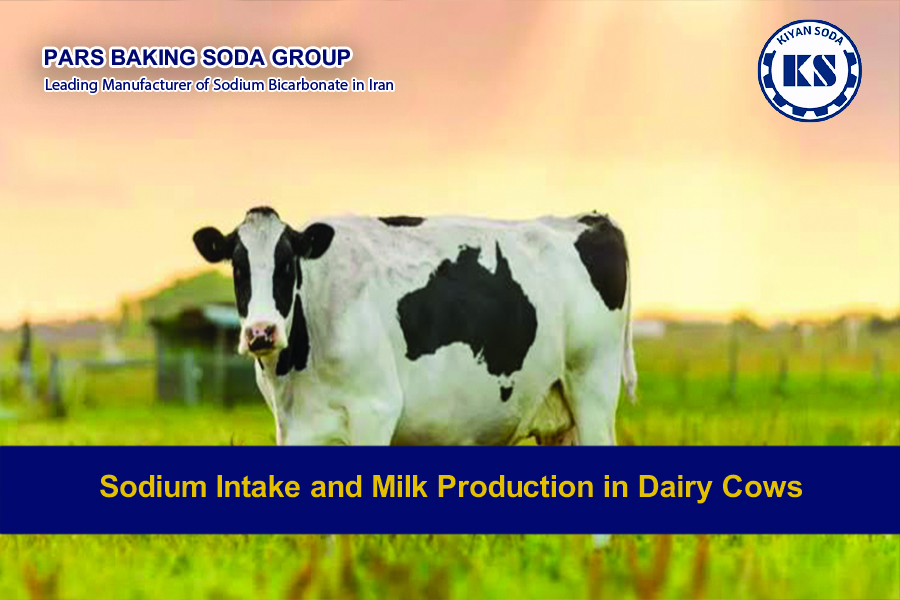
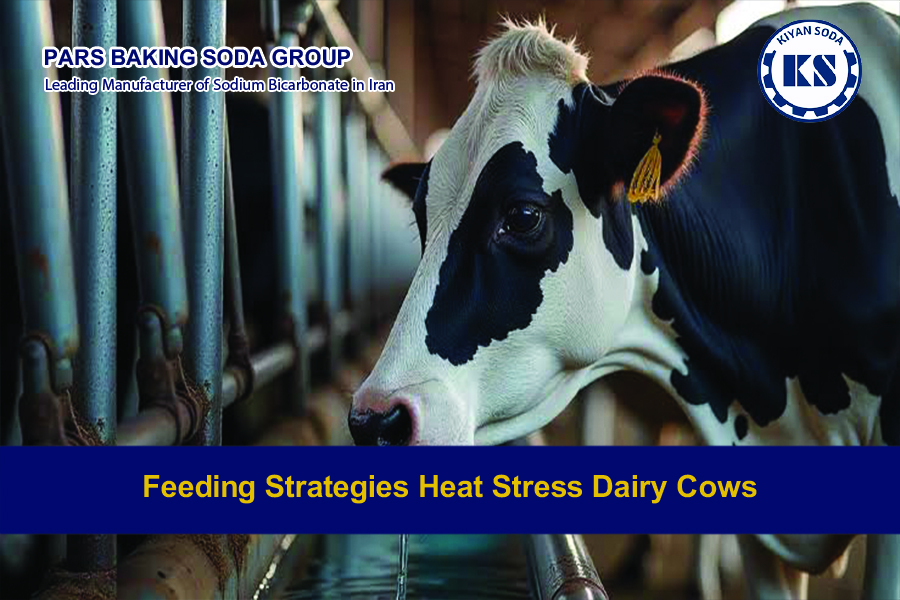

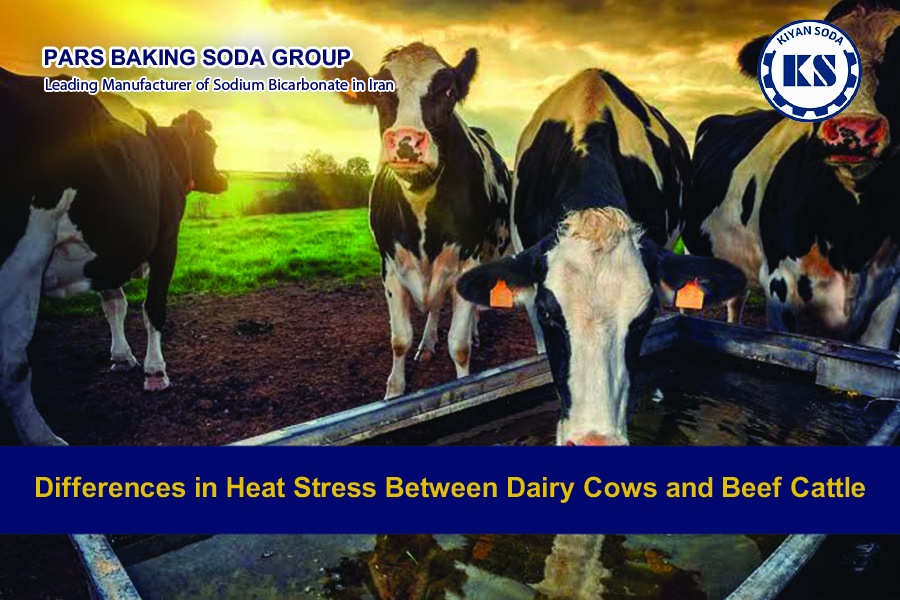
Heat stress is a major challenge in both dairy and beef production, affecting feed intake, nutrient utilization, metabolic function, and animal performance. Although both groups experience physiological changes under elevated temperatures, their responses differ because of variations in production demands, metabolic activity, body composition, and management systems. Understanding heat stress dairy vs beef cattle responses is essential for developing effective nutritional strategies. Dairy cows, particularly high-producing animals, face substantial metabolic heat production associated with milk synthesis. Beef cattle experience different heat loads depending on their growth stage, breed, body weight, and production system. These differences heat stress dairy beef cows experience influence their nutritional requirements and the interventions needed to maintain performance. This article examines these differences, focusing on nutrient requirements, water and electrolyte balance, rumen function, and practical feeding strategies.
Physiological and Metabolic Differences: Implications for Nutrient Requirements
The physiological differences between dairy and beef cattle help explain why heat exposure does not produce identical nutritional consequences. The comparison of heat stress dairy vs beef cattle must account for metabolic activity, production intensity, and the capacity to dissipate excess heat.
Heat Production and Metabolic Heat Load in Dairy vs. Beef Cattle
One of the main factors explaining heat stress dairy vs beef cattle responses is metabolic heat production. High-producing dairy cows consume substantial amounts of feed and have elevated metabolic activity to support milk synthesis. Digestion and nutrient metabolism generate additional internal heat, making thermal regulation more difficult during hot weather. Lactation further increases metabolic demands. As milk production rises, nutrient requirements increase, and the metabolic processes associated with milk synthesis contribute to the overall heat load. Consequently, high-yielding dairy cows are often particularly vulnerable to prolonged heat exposure.
Beef cattle also produce metabolic heat, but its magnitude varies with growth rate, body size, feeding intensity, and production stage. Finishing cattle receiving energy-dense diets may generate considerable heat during digestion and nutrient metabolism. Therefore, the differences heat stress dairy beef cows experience cannot be attributed to production type alone; diet composition and physiological status must also be considered.
Thermoregulation, Feed Intake, and Metabolic Responses
Both groups rely on increased respiratory rate, sweating, and behavioral adjustments to dissipate excess heat. When environmental temperature and humidity rise, these mechanisms become less effective, particularly when nighttime temperatures remain elevated.
Heat exposure also changes feeding behavior. Cattle may reduce meal size, shift feeding activity toward cooler hours, and spend less time eating. Reduced dry matter intake (DMI) limits nutrient availability and can negatively affect production.
In dairy cows, lower intake can reduce milk yield and contribute to negative energy balance. In beef cattle, it may slow average daily gain and impair feed efficiency. Assessing differences heat stress dairy beef cows experience therefore requires considering both physiological responses and production outcomes.
Production System Effects on Nutritional Management Under Heat Stress
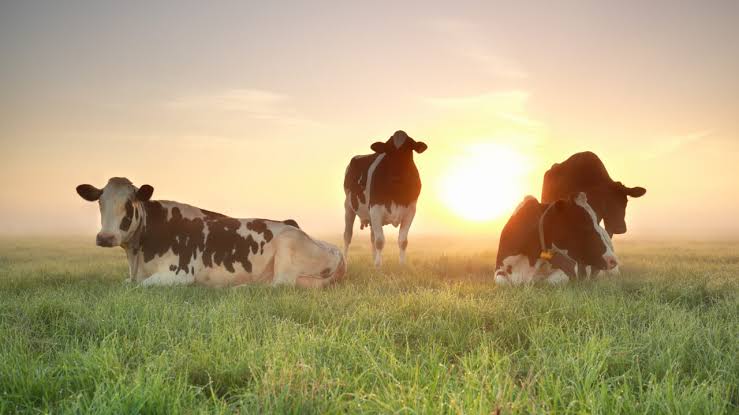
Production systems influence the intensity of heat exposure and determine which nutritional interventions are practical. The heat stress dairy vs beef cattle comparison must therefore include housing conditions, feeding access, and environmental exposure.
Dairy Housing, Milking Demands, and Feeding Management
Dairy cattle are commonly maintained in housing systems where ventilation, stocking density, feeding access, and cooling facilities influence their exposure to heat. Inadequate airflow or excessive humidity can reduce evaporative cooling efficiency. Milking routines may also add to heat exposure, particularly when cows spend extended periods waiting in holding areas. These conditions can interfere with normal feeding behavior and reduce opportunities for recovery during cooler periods.
Nutritional management should account for both environmental conditions and production demands. Maintaining access to fresh feed, reducing competition at the feed bunk, and coordinating feeding with cooling practices can help preserve intake.
Beef Grazing and Feedlot Systems: Exposure and Nutritional Challenges
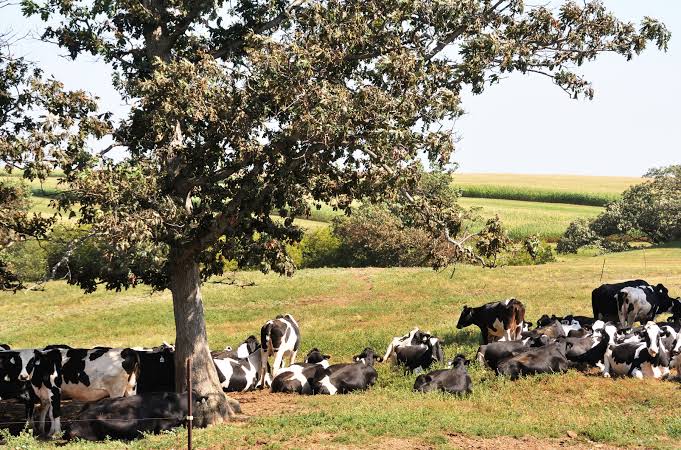
Beef cattle experience different challenges depending on their production system. Grazing animals may be exposed to direct solar radiation, limited shade, and long distances between feeding and watering areas. These factors can increase heat load and restrict access to resources.
Feedlot cattle face other challenges, including high stocking density, limited natural shade, and the heat generated by consuming energy-dense finishing diets. Heavy animals may also have greater difficulty dissipating heat under certain environmental conditions. Grazing cattle require reliable access to water and suitable forage, whereas feedlot cattle may need adjustments in dietary energy density, feeding schedules, and bunk management. These differences heat stress dairy beef cows experience are therefore closely linked to their production environment.
Nutritional Strategies for Dairy vs. Beef Cattle Under Heat Stress
Nutritional adjustments aim to compensate for reduced feed consumption while maintaining nutrient supply and digestive stability. In heat stress dairy vs beef cattle management, the appropriate strategy depends on production goals, ration composition, and the severity of environmental exposure.
Energy and Nutrient Density Adjustments
Reduced feed intake is one of the most important nutritional consequences of heat exposure. Increasing dietary nutrient density can help compensate for lower DMI, but changes must be carefully formulated to avoid digestive disturbances. In dairy diets, improving energy density may involve incorporating suitable fat sources, adjusting forage-to-concentrate ratios, and maintaining adequate metabolizable protein supply. Dietary fat provides concentrated energy with less heat production associated with fermentation than some carbohydrate sources. However, excessive fat inclusion may reduce fiber digestion or negatively affect intake.
For beef cattle, energy adjustments should reflect growth stage and finishing objectives. Energy-dense diets may help maintain weight gain when intake declines, but excessive rapidly fermentable carbohydrates can increase the risk of ruminal acidosis. In both groups, maintaining adequate effective fiber is essential. Understanding differences heat stress dairy beef cows experience helps nutritionists balance energy supply with rumen stability rather than simply increasing concentrate inclusion.
Water and Electrolyte Management
Water requirements increase during hot weather because cattle lose more water through respiration and sweating. Adequate water availability is essential for thermoregulation, digestion, circulation, and metabolic processes. Lactating dairy cows generally have particularly high water requirements because water is a major component of milk. Beef cattle also increase water consumption during heat exposure, although actual requirements depend on body weight, feed moisture, physiological status, and environmental conditions.
Water troughs should provide sufficient flow and capacity to meet peak demand. They should also be kept clean and positioned where animals can access them without excessive competition. Electrolyte balance is another important consideration. Sodium, potassium, and chloride participate in fluid regulation, acid-base balance, and nerve and muscle function. Heat exposure and increased sweating can alter electrolyte losses, making appropriate dietary supplementation important. Supplementation should be based on the complete diet, water composition, and animal requirements rather than a fixed formula.
Feed Additives and Buffering Agents
Feed additives can support nutritional management during heat stress, particularly when changes in intake and feeding behavior increase the risk of digestive instability. Their use should complement appropriate ration formulation and environmental management. Feed grade sodium bicarbonate is commonly used as a dietary buffer in ruminant nutrition. It helps neutralize acids in the rumen and contributes to maintaining a more stable ruminal pH. This function is particularly relevant when cattle consume high-concentrate diets or when altered feeding patterns increase digestive instability.
In dairy cows, sodium bicarbonate supplementation may be useful when dietary conditions increase the risk of ruminal pH depression. In beef feedlot cattle, it may also be considered as part of a broader strategy to manage acid load associated with concentrate-rich diets. However, sodium bicarbonate is not a direct treatment for heat stress. Its value lies in supporting rumen conditions when dietary and physiological factors create a need for additional buffering capacity. Supplementation rates should reflect ration composition, sodium supply, and production requirements.
Rumen Function and Buffering: Nutritional Consequences and Interventions
Heat exposure can influence rumen function through changes in feeding behavior, rumination, and gastrointestinal physiology. Understanding these effects is important because digestive stability influences nutrient utilization and overall animal performance. The differences heat stress dairy beef cows experience may also affect the need for specific rumen management interventions.
- Changes in Rumen Fermentation and Acidosis Risk
Reduced forage consumption may decrease physically effective fiber intake, while changes in meal patterns can influence fermentation and acid production. These changes are important because rumen pH depends on the balance between acid production, absorption, and buffering.
In dairy cattle, reduced rumination and changes in ration selection can contribute to unstable rumen conditions, particularly in high-producing cows receiving energy-dense diets. In beef feedlot cattle, high concentrate intake and inadequate adaptation to dietary changes can increase the risk of subacute or acute ruminal acidosis. These effects are relevant to heat stress in cows because digestive disturbances can further compromise nutrient utilization when feed intake is already reduced. However, the degree of risk depends on the complete feeding system rather than temperature alone.
- Rumen Buffering and the Role of Sodium Bicarbonate
Rumen buffering involves maintaining the chemical conditions required for normal microbial fermentation and fiber digestion. Saliva is a natural source of bicarbonate and phosphate, which help neutralize acids produced during fermentation. Reduced rumination may decrease salivary buffer delivery to the rumen.
Dietary buffers can help support this process. Sodium bicarbonate provides bicarbonate ions that contribute to neutralizing excess acidity. This makes it a useful nutritional tool in selected high-concentrate or acidogenic feeding programs. The role of rumen buffering should be considered alongside adequate physically effective fiber, consistent feed delivery, and gradual dietary adaptation.
Adding a buffer without correcting inadequate fiber supply or excessive concentrate intake will not fully address the underlying causes of ruminal instability. Although both dairy and beef cattle can benefit from appropriate buffering strategies, supplementation should be based on production goals, ration characteristics, and overall mineral balance.
Feeding Management and Heat Stress Mitigation Strategies
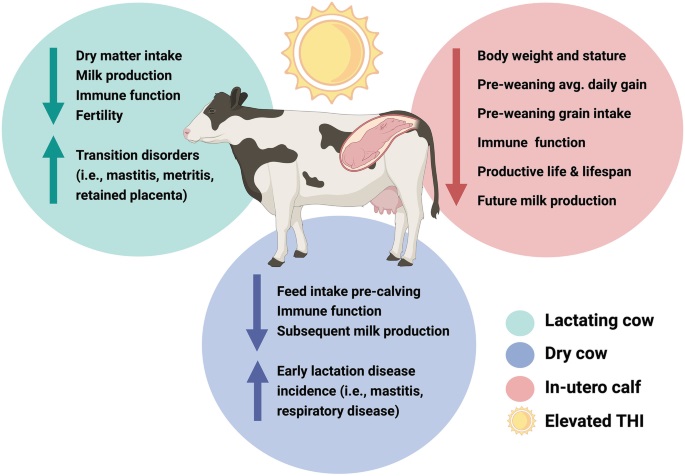
Feeding practices and environmental interventions should work together to reduce heat load and maintain nutrient consumption. Effective heat stress dairy vs beef cattle management requires adapting daily routines to the behavior and production demands of each group.
- Feeding Schedule and Feed Delivery Management
Adjusting feeding schedules can help maintain intake during hot weather. Offering a larger proportion of daily feed during cooler periods, particularly in the early morning and evening, may encourage consumption and reduce feeding activity during peak heat. Fresh feed should remain consistently available, and feed bunks should be managed to minimize spoilage and heating. Frequent feed delivery or push-ups can improve access to feed and encourage more consistent intake.
For dairy cattle, feeding management should account for milking schedules and the need to maintain consistent nutrient supply throughout lactation. In beef cattle, changes in feeding time and delivery should be coordinated with bunk management and gradual ration adaptation.
- Integrating Nutritional and Environmental Strategies
Nutritional interventions are more effective when combined with environmental measures. Providing shade, improving airflow, reducing overcrowding, and ensuring unrestricted access to clean water can reduce the overall heat burden. In dairy facilities, fans and appropriately managed sprinkler systems can improve heat dissipation. In grazing and feedlot systems, shade structures, adequate water points, and suitable pen management can help reduce exposure.
The principles of heat stress management also apply to other livestock species. For example, heat stress poultry management involves different nutritional and environmental approaches because birds have distinct thermoregulatory characteristics. However, poultry feeding strategies should not be directly transferred to cattle.
Conclusion
Although dairy and beef cattle share several physiological responses to heat exposure, their production demands and management systems create different nutritional challenges. High-producing dairy cows require particular attention to maintaining milk production, energy balance, and rumen stability, whereas beef cattle need feeding strategies that preserve growth and feed efficiency under varying grazing and feedlot conditions.
Recognizing differences heat stress dairy beef cows experience allows nutritionists and producers to develop more targeted interventions. Understanding heat stress dairy vs beef cattle responses helps guide decisions about dry matter intake, dietary energy, electrolytes, water supply, and rumen buffering. Successful management ultimately depends on combining nutritional adjustments with environmental control and adapting interventions to the specific needs of each production group.
Frequently Asked Questions
High-producing dairy cows are often more susceptible because milk synthesis increases metabolic activity and internal heat production. However, breed, body condition, production stage, and environmental conditions substantially influence heat tolerance in both groups.
Heat exposure generally reduces DMI and changes feeding behavior. In dairy cows, this can reduce milk production and compromise energy balance, while in beef cattle it may decrease average daily gain and feed efficiency.
Sodium bicarbonate can support rumen pH stability when dietary conditions increase acid accumulation. It does not directly reduce body temperature or eliminate heat stress, but it may help maintain rumen function as part of an appropriately formulated ration.
Water supports evaporative cooling, circulation, digestion, and nutrient transport. Because water losses increase during hot weather, unrestricted access to clean drinking water is essential for both dairy and beef cattle.