

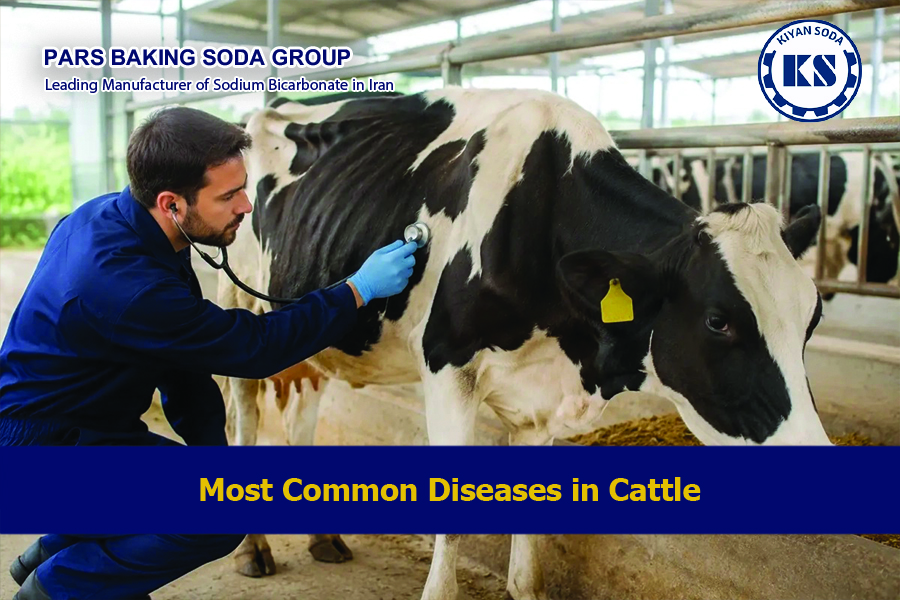
Maintaining cattle health is essential for profitable and sustainable dairy and beef production. Cattle can be affected by a wide range of infectious, digestive, respiratory, metabolic, and production-related disorders. Some develop rapidly and require immediate veterinary attention, while others are associated with nutrition, housing, hygiene, environmental stress, or poor management and can often be reduced through effective preventive measures. Understanding the common diseases in cattle and recognizing their risk factors allows farmers to identify problems earlier and improve herd health. Effective cattle disease prevention does not depend on a single measure. Instead, it requires a combination of balanced nutrition, good hygiene, vaccination, appropriate housing, stress reduction, clean water, and regular health monitoring. This article reviews the common diseases in cattle, their major causes, and practical strategies for cattle disease prevention, with particular attention to nutrition and rumen health.
Common Diseases in Cattle
The diseases commonly seen in cattle vary according to age, production system, nutritional status, environmental conditions, and management practices. Dairy cattle may be particularly vulnerable to metabolic disorders and mastitis, while beef cattle can face significant risks from respiratory disease, digestive disorders, and stress associated with transportation or dietary changes.
1. Digestive Diseases
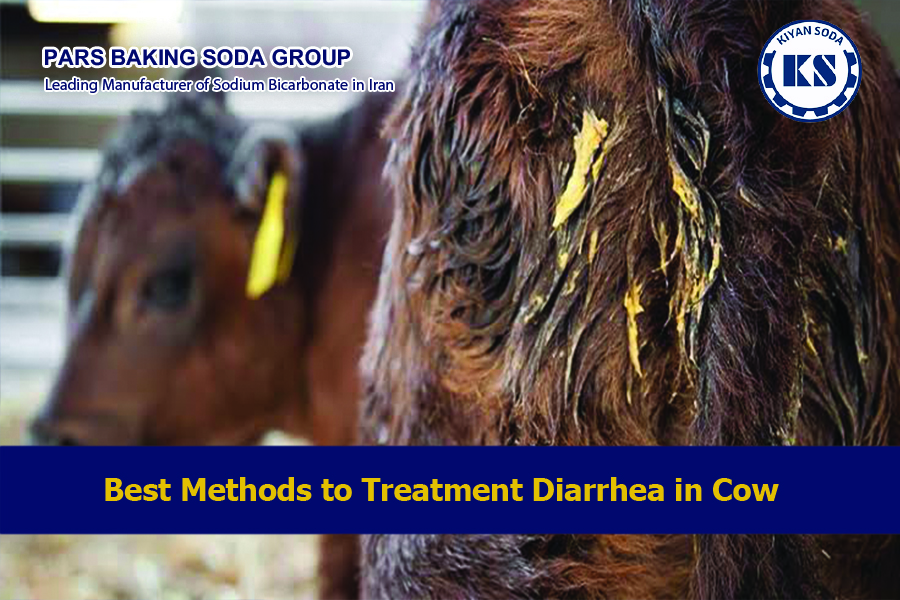
Digestive disorders are among the most important common diseases in cattle, particularly when animals receive high-energy diets or experience sudden changes in feed. Diarrhea can result from infectious agents, sudden dietary changes, poor feed quality, parasites, or management problems. Young calves are especially vulnerable because dehydration and electrolyte losses can develop rapidly.
Rumen acidosis is another important digestive disorder. It occurs when excessive amounts of rapidly fermentable carbohydrates lead to abnormal acid accumulation in the rumen. Reduced rumination, inconsistent feed intake, loose feces, and reduced performance may accompany subacute ruminal acidosis. Bloat is another potentially serious digestive problem. It occurs when gas accumulates in the rumen and cannot be released normally. Severe cases can interfere with breathing and become life-threatening. Because many digestive disorders are associated with feeding practices, nutrition and feeding management are central to cattle disease prevention.
2. Respiratory Diseases
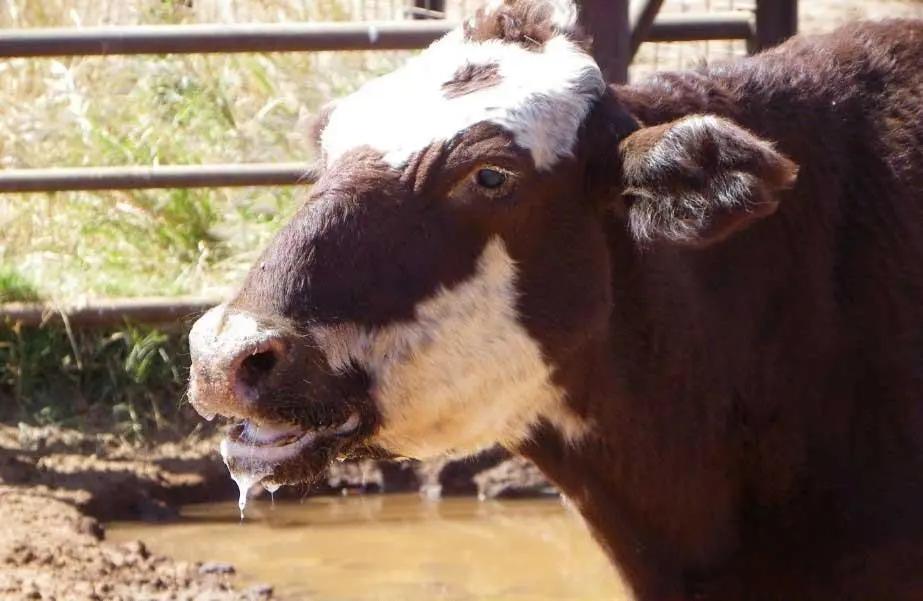
Bovine respiratory disease (BRD) is one of the major health problems affecting cattle. It is usually multifactorial, involving infectious organisms together with stressors such as transportation, commingling, crowding, poor ventilation, and sudden environmental changes. Signs may include coughing, nasal discharge, fever, rapid breathing, depression, and reduced appetite. Prevention requires appropriate vaccination, good ventilation, adequate nutrition, reduced stress, and careful management of newly introduced animals. Respiratory disease control should therefore be an important part of any comprehensive cattle disease prevention program.
3. Mastitis
Mastitis is inflammation of the mammary gland and is particularly important in dairy cattle. It can be caused by various microorganisms and may develop when bacteria enter the udder through the teat canal.
Poor milking hygiene, contaminated housing, damaged teats, and inadequate environmental management can increase the risk.
Clinical cases may cause swelling, abnormal milk, pain, and reduced milk production, while subclinical mastitis may affect productivity without obvious external signs. Maintaining clean housing, following proper milking procedures, monitoring milk quality, and identifying cases early are essential components of cattle disease prevention.
4. Metabolic Disorders
Metabolic disorders are also among the common diseases in cattle, particularly around calving and during periods of high production. Milk fever, associated with low blood calcium, can occur around calving. Ketosis is another important metabolic disorder that may develop when energy intake does not meet requirements, particularly during early lactation.
Prevention depends heavily on appropriate transition-cow management, balanced rations, adequate dry matter intake, and close monitoring during high-risk periods.
Major Factors That Contribute to Cattle Diseases
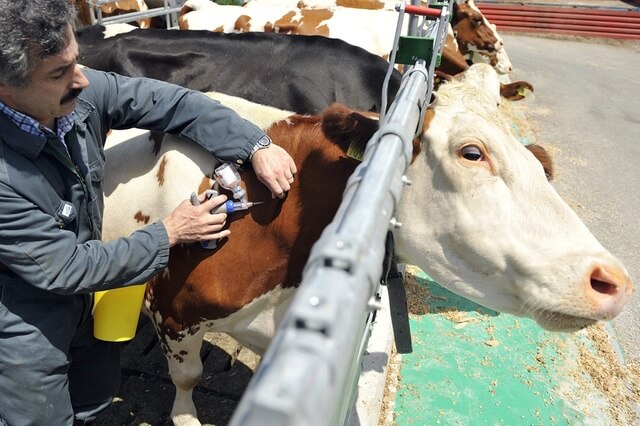
Several factors can increase the risk of the common diseases in cattle. Identifying these risks is essential because many herd-health problems can be reduced before clinical disease develops.
- Poor Nutrition and Imbalanced Rations
Nutrition directly affects immunity, production, digestion, and metabolic health. Nutrient deficiencies, excessive dietary starch, inadequate fiber, poor-quality feed, and sudden changes in the ration can all increase disease risk.
Inadequate physically effective fiber can reduce chewing and saliva production, decreasing the natural buffering capacity of the rumen. Excessive rapidly fermentable carbohydrates, meanwhile, can increase acid production. For this reason, balanced rations and consistent feeding are fundamental to cattle disease prevention.
- Poor Hygiene and Biosecurity
Poor sanitation can increase exposure to infectious organisms. Contaminated housing, equipment, feeding areas, and water sources can contribute to disease transmission. Biosecurity practices such as quarantining newly introduced animals, controlling animal movement, cleaning equipment, and maintaining appropriate hygiene can reduce exposure and transmission within the herd.
- Stress and Environmental Conditions
Stress can reduce the animal’s ability to respond effectively to infectious challenges. Transportation, overcrowding, heat stress, cold weather, poor ventilation, and mixing unfamiliar animals can all increase disease risk. Reducing environmental stress is therefore an important part of cattle disease prevention, especially for calves, recently transported cattle, and animals around calving.
- Poor Water and Feed Management
Cattle need continuous access to clean, good-quality water. Reduced water availability can decrease feed intake and productivity and negatively affect overall health. Feed should be stored properly to minimize contamination, spoilage, and mold growth. Consistent feeding schedules and avoiding sudden changes in feed composition are particularly important for digestive health.
Effective Methods for Preventing Cattle Diseases
A successful cattle disease prevention program should address several areas simultaneously rather than relying on one intervention.
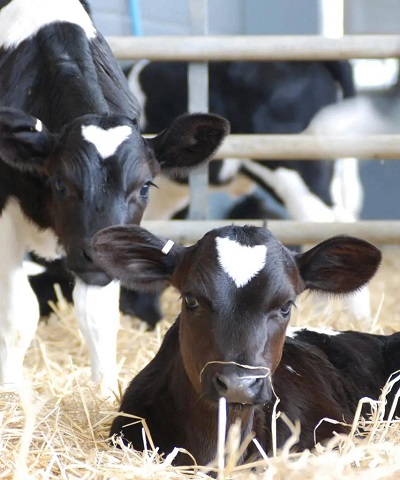
Proper Nutrition and Ration Management
Balanced nutrition is one of the foundations of cattle disease prevention. Rations should provide appropriate levels of energy, protein, minerals, vitamins, and effective fiber according to the animal’s age, production stage, and physiological requirements. Dietary changes should be introduced gradually, particularly when cattle move from high-forage diets to higher-concentrate diets. Consistent feeding times and controlled intake of rapidly fermentable carbohydrates can help reduce digestive disorders.
For cattle receiving high-concentrate diets, appropriate feed additives may also support rumen stability. Feed Grade Sodium Bicarbonate can be used as a dietary buffer to help manage ruminal pH when included as part of a properly formulated feeding program.
Hygiene and Housing Management
Clean, dry, and well-ventilated housing can reduce exposure to pathogens and environmental stress. Bedding should be managed regularly, feeding areas kept clean, and water troughs inspected and cleaned frequently. Good housing management is particularly important for calves and dairy cattle because these animals can be highly susceptible to environmental pathogens.
Vaccination and Preventive Programs
Vaccination is an important component of herd-health management. The appropriate program depends on disease prevalence, geographic location, production system, animal age, and veterinary recommendations.
Vaccination should be combined with biosecurity, hygiene, nutrition, and other preventive measures rather than being considered a replacement for good management.
Stress Reduction
Stress reduction can contribute significantly to cattle disease prevention. Transportation should be carefully planned, overcrowding avoided, and animals provided with adequate ventilation, water, shade, and comfortable resting areas. Special attention should be given to periods associated with higher stress, including weaning, transportation, arrival at a new facility, calving, and sudden dietary changes.
Regular Health Monitoring
Regular observation helps farmers detect disease at an earlier stage. Changes in appetite, rumination, fecal consistency, milk production, breathing, body condition, or behavior can provide valuable warning signs.
Early detection allows appropriate veterinary assessment and management before a health problem becomes widespread within the herd.
The Role of Nutrition in Preventing Digestive Diseases
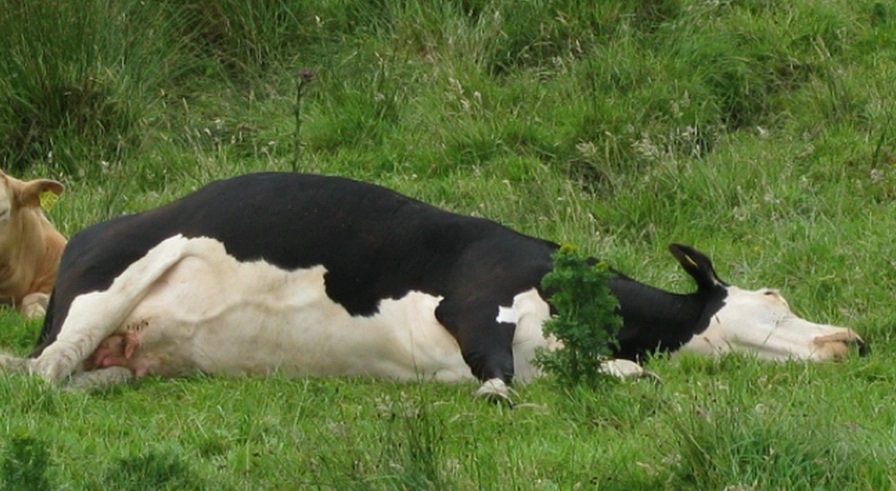
Nutrition plays a central role in controlling several common diseases in cattle, particularly digestive disorders. The rumen depends on a stable microbial environment. When cattle consume diets containing large amounts of rapidly fermentable carbohydrates, microbial fermentation can increase acid production. If acid production exceeds the rumen’s ability to neutralize and remove acids, ruminal pH can decline.
Effective fiber stimulates chewing and rumination, increasing saliva production. Saliva naturally contains bicarbonate and other buffering components that help neutralize acids in the rumen. Therefore, effective fiber, gradual dietary adaptation, consistent feeding, and appropriate ration formulation are important elements of cattle disease prevention.
Farmers should not rely on a single feed additive to correct an unbalanced diet. Rumen health should instead be supported through appropriate forage quality, physically effective fiber, controlled starch intake, consistent feeding, and proper transition management. These measures can also help prevent diarrhea in cattle when diarrhea is associated with nutritional disturbances. However, diarrhea has many possible infectious and non-infectious causes and requires appropriate diagnosis.
The Role of Feed Grade Sodium Bicarbonate in Rumen Health
Feed Grade Sodium Bicarbonate is commonly used as a dietary buffer in cattle rations, particularly when diets contain relatively high levels of fermentable carbohydrates.
Sodium bicarbonate can contribute to rumen buffering by helping neutralize acids produced during carbohydrate fermentation. By supporting a more stable ruminal environment, dietary buffering may help manage fluctuations in rumen pH. This is particularly relevant when cattle consume energy-dense diets. However, sodium bicarbonate should be considered one component of a broader feeding strategy rather than a standalone solution.
Using Feed Grade Sodium Bicarbonate does not eliminate the need for adequate effective fiber, gradual diet adaptation, consistent feeding, sufficient water, and appropriate ration formulation. It is also important to distinguish routine dietary buffering from treatment of severe acute ruminal acidosis. Animals showing severe signs require prompt veterinary assessment, and sodium bicarbonate should not be used as a substitute for professional treatment.
For farms evaluating feed additives, selecting a reliable Sodium Bicarbonate manufacturer and ensuring that the product meets appropriate feed-grade quality requirements are important considerations.
Conclusion
The common diseases in cattle are influenced by many interacting factors, including nutrition, infectious exposure, hygiene, housing, stress, and environmental conditions. Effective cattle disease prevention therefore requires an integrated approach. Balanced nutrition, effective fiber, gradual dietary changes, clean water, good housing, vaccination, biosecurity, stress reduction, and regular health monitoring can support herd health. Digestive health deserves particular attention because nutritional problems can contribute to several common disorders.
Dietary buffers such as Feed Grade Sodium Bicarbonate may support rumen stability in appropriate diets, but they should be used as part of a complete feeding strategy rather than as a replacement for good nutrition and management. Ultimately, successful cattle disease prevention depends on identifying risks early, maintaining consistent management practices, and working with a veterinarian and nutrition professional when disease or nutritional problems are suspected.
Frequently Asked Questions
The common diseases in cattle include digestive disorders such as diarrhea, ruminal acidosis, and bloat; respiratory diseases such as bovine respiratory disease; mastitis; and metabolic disorders such as milk fever and ketosis.
The main causes and risk factors include infectious organisms, poor nutrition, sudden dietary changes, inadequate hygiene, contaminated water or feed, overcrowding, poor ventilation, environmental stress, and insufficient preventive health programs.
Effective cattle disease prevention involves balanced nutrition, proper feeding management, vaccination, good hygiene, biosecurity, clean water, appropriate housing, stress reduction, and regular health monitoring.
To prevent diarrhea in cattle, maintain good hygiene, provide clean water and high-quality feed, avoid sudden dietary changes, follow appropriate vaccination and parasite-control programs, and monitor calves and other high-risk animals closely. Persistent or severe cases require veterinary evaluation.
To reduce the risk of rumen acidosis in cows, provide adequate physically effective fiber, introduce high-concentrate diets gradually, maintain consistent feeding schedules, avoid excessive rapidly fermentable carbohydrates, and formulate rations according to nutritional requirements.
Yes. Dietary sodium bicarbonate can act as a buffer and help manage ruminal pH, particularly in diets with higher levels of fermentable carbohydrates. However, it should be used as part of a balanced ration and cannot replace adequate fiber or proper feeding management.
When purchasing feed-grade sodium bicarbonate, consider product purity, consistency, appropriate feed-grade specifications, quality control, packaging, and supplier reliability. Working with an experienced Sodium Bicarbonate manufacturer can help ensure consistent product quality and suitability for feed applications.