

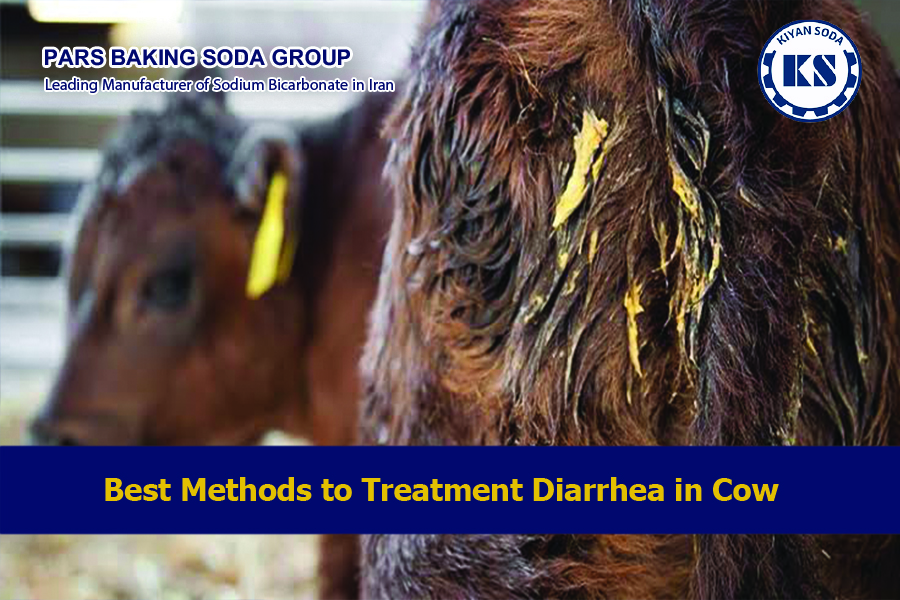
Effective treatment of diarrhea in cows requires more than stopping the symptoms; it demands an understanding of the underlying causes and a management plan to prevent diarrhea in cattle from recurring. Diarrhea is a common sign of digestive and metabolic problems, but it is not a disease with one universal treatment. The right approach depends on identifying the cause, correcting dehydration and electrolyte losses, and addressing feeding or management problems. Nutritional disturbances, infectious diseases, parasites, toxins, and rumen disorders can all contribute to loose or watery manure. For this reason, effective treatment of diarrhea in cows should focus on the cause rather than simply stopping diarrhea. Good feeding management and proper rumen function are also essential to prevent diarrhea in cattle from recurring.
What Causes Diarrhea in Cows?
Before choosing a treatment, it is important to determine why the cow has diarrhea. A single case may have a different cause from an outbreak affecting several animals, so herd-level patterns and recent management changes should also be considered. Scours in mature cows is often linked to nutritional or management factors, but the underlying trigger should be identified before treatment begins.
1. Nutritional Causes of Diarrhea
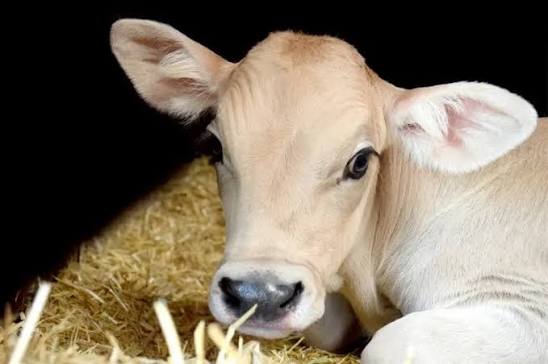
Dietary problems are an important cause of diarrhea and loose manure in adult cattle. Abrupt ration changes, excessive rapidly fermentable carbohydrates, increased dietary fermentability, and changes in pasture or nutrient concentration can disturb normal digestion.
Suddenly increasing grain or concentrate intake can increase rumen fermentation and disrupt digestive function. Changes in feed delivery or limited feed access can also encourage abnormal feeding patterns when feed becomes available again. Therefore, nutritional management should be one of the first areas to review when developing an effective treatment of diarrhea in cows strategy, particularly when several animals develop loose manure at the same time.
2. Rumen Acidosis and Loose Manure
Rumen health has a close relationship with manure consistency. Subacute ruminal acidosis can develop when cattle consume excessive rapidly fermentable carbohydrates or do not receive enough physically effective fiber. Loose manure or diarrhea can occur in affected cattle, although diarrhea is not specific to rumen acidosis and may have other causes.
The risk can increase when cows move too quickly from a forage-based diet to a high-grain ration. Insufficient effective fiber can also reduce rumination and saliva production, limiting a natural mechanism for buffering rumen acids. Understanding the relationship between diet, rumen fermentation, and manure consistency is an important part of managing rumen acidosis in cows and related digestive disturbances.
3. Infectious, Parasitic, and Other Causes
Not every case of diarrhea is nutritional. Bacterial, viral, and parasitic diseases can cause diarrhea, and some conditions can affect multiple animals within a herd. Bovine viral diarrhea virus, for example, can cause diarrhea along with fever, depression, reduced milk production, and other clinical signs.
Diarrhea may also follow ingestion of toxic substances, poisonous plants, mycotoxins, or excessive amounts of certain dietary components. When diarrhea is severe, persistent, bloody, accompanied by fever or marked depression, or affects several animals, veterinary investigation is particularly important. In these situations, treatment of diarrhea in cows should be guided by veterinary assessment rather than dietary changes alone.
How to Assess Diarrhea in Cattle
The appearance and duration of diarrhea provide useful information, but they cannot identify the cause on their own. Assessment should include the cow’s appetite, water intake, activity level, milk production, manure appearance, body condition, and signs of dehydration.
A veterinarian may also consider temperature, rumen activity, recent ration changes, feed intake, herd history, and laboratory testing when necessary. Diagnosis of intestinal disease in cattle is based on clinical, epidemiologic, and laboratory findings rather than manure consistency alone. This distinction matters because treatment of diarrhea in cows caused by a dietary imbalance is different from the management required for an infectious disease or severe grain overload.
Effective Treatment of Diarrhea in Cows
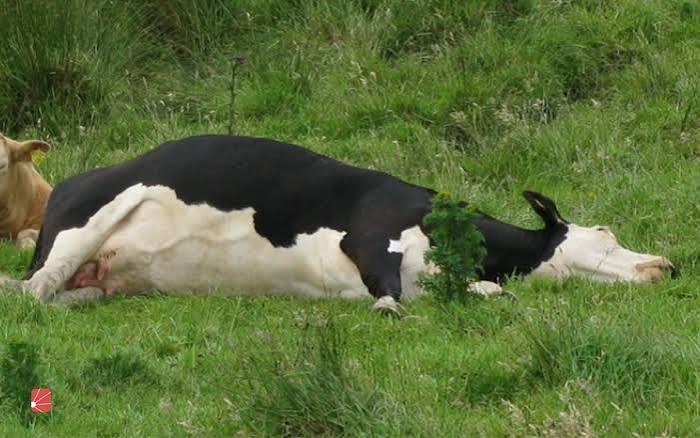
There is no single treatment appropriate for every case. An effective treatment of diarrhea in cows strategy combines supportive care with correction of the underlying problem.
1. Restore Fluids and Electrolytes
Diarrhea can cause substantial loss of water and electrolytes. If dehydration develops, restoring fluid and electrolyte balance becomes a priority. Veterinary treatment may involve oral or parenteral fluid therapy depending on severity.
Cattle showing severe weakness, marked dehydration, collapse, inability to drink, or significant systemic illness require prompt veterinary attention. Supportive fluid therapy can help stabilize the animal while the underlying cause is investigated and treated.
2. Identify and Correct the Underlying Cause
The next step is to determine what triggered the diarrhea.
If the problem followed a sudden ration change, excessive grain intake, feed sorting, or inconsistent feed delivery, the feeding program should be reviewed and corrected. If an infectious or parasitic disease is suspected, appropriate diagnostic testing and veterinary treatment may be necessary.
In cases of acute grain overload, cattle can develop dehydration, diarrhea, depression, severe ruminal acidosis, and even collapse. Severe cases can become life-threatening and require immediate veterinary intervention. Simply giving an anti-diarrheal product without addressing the underlying problem may therefore fail to solve the issue.
3. Adjust the Diet When Nutrition Is Involved
When diarrhea is associated with a dietary imbalance, restoring a properly formulated ruminant diet is an important part of management. Sudden changes should be avoided, and the ration should provide an appropriate balance between fermentable carbohydrates and effective fiber.
Feed delivery should also be consistent. Allowing cattle to become excessively hungry and then consume large meals can increase the risk of ruminal acidosis. For nutrition-related cases, this approach provides better long-term control and can help prevent diarrhea in cattle from returning.
How to Prevent Diarrhea in Cattle from Returning
Once the immediate problem has been addressed, prevention should focus on the factors that created it. A successful strategy to prevent diarrhea in cattle combines ration management, consistent feeding, rumen health monitoring, and good herd management.
- Make Feed Changes Gradually
Cattle need time to adapt to dietary changes, particularly when moving toward higher levels of grain or rapidly fermentable carbohydrates. Abrupt changes can increase the risk of ruminal acidosis and digestive disturbances.
When a ration needs to be changed, the transition should be planned according to the production stage and nutritional requirements of the herd. This is especially important for dairy cows when concentrate intake increases. Gradual transitions are one of the most practical ways to prevent diarrhea in cattle associated with dietary disturbances.
- Provide Adequate Effective Fiber
Physically effective fiber supports chewing and rumination. Rumination increases saliva flow, and saliva supplies bicarbonate that helps buffer acids produced during ruminal fermentation. A ration with insufficient effective fiber may increase the risk of unstable rumen conditions, particularly when fermentable carbohydrate intake is high. Fiber quality matters as well as quantity, and cattle should be able to consume enough physically effective fiber without excessive sorting.
- Maintain Consistent Feeding Practices
Consistency is an important part of digestive health. Cattle should have reliable access to a properly mixed ration, clean water, and adequate feed-bunk space. Feed deprivation followed by aggressive feeding can create large meals and increase the risk of ruminal pH disturbances. Maintaining a consistent feeding schedule can support more stable rumen fermentation.
Monitoring manure consistency, cud chewing, feed intake, milk production, and body condition can also help identify digestive problems before they become widespread and prevent diarrhea in cattle from becoming a recurring herd issue.
- Manage Heat Stress
Heat stress can alter cattle behavior, feed intake, and feeding patterns. During periods of high temperatures, maintaining access to water, shade, ventilation, and appropriate cooling becomes especially important.
Changes in feeding behavior during hot weather can also affect rumen stability, which is why understanding and managing heat stress in cows is an important part of maintaining healthy feeding patterns.
Good heat-stress management is not a direct treatment for diarrhea, but it is part of overall herd management and can help maintain stable feeding behavior and rumen function.
The Role of Sodium Bicarbonate in Diarrhea Prevention
Sodium bicarbonate may be useful when loose manure is associated with dietary conditions that also affect rumen stability. In diets high in rapidly fermentable carbohydrates, particularly when effective fiber is inadequate, supporting rumen buffering can be part of a properly balanced feeding strategy.
However, sodium bicarbonate is not a direct treatment for diarrhea. Its role is mainly related to nutritional management and rumen stability. Understanding the appropriate use of sodium bicarbonate can help producers make better decisions when managing nutrition-related digestive problems.
- Can Sodium Bicarbonate Help Prevent Diarrhea in Cattle?
Sodium bicarbonate may contribute to efforts to prevent diarrhea in cattle when dietary imbalance and rumen instability are involved. Its effectiveness depends on the complete ration and feeding management.
It cannot prevent diarrhea caused by infectious diseases, parasites, toxins, or other intestinal conditions. If diarrhea continues after feeding problems have been corrected, veterinary evaluation is needed to identify the underlying cause.
Choosing Feed Grade Sodium Bicarbonate for Cattle
When sodium bicarbonate is included in cattle diets, product quality and suitability for feed applications are important. Feed manufacturers and livestock producers should select a product intended for animal-feed use and appropriate for the formulation in which it will be incorporated. For example, feed grade sodium bicarbonate should be consistent in quality and handled properly to prevent contamination or moisture-related problems during storage.
The appropriate inclusion level should be determined as part of the complete ration and production system. Dairy nutritionists or other qualified professionals can help determine whether a dietary buffer is appropriate for a particular herd. The most effective approach is not simply adding more sodium bicarbonate. Instead, the ration should be evaluated for fermentable carbohydrates, effective fiber, dry matter intake, feed consistency, and other factors associated with rumen health.
Feeding Strategies to Support Healthy Digestion
A practical feeding program can reduce the risk of recurring digestive problems. Key measures include:
- Introduce major ration changes gradually.
- Maintain adequate physically effective fiber.
- Avoid sudden increases in rapidly fermentable carbohydrates.
- Keep feed delivery consistent.
- Minimize long periods of feed deprivation.
- Monitor sorting and ensure that the TMR remains properly mixed.
- Provide continuous access to clean drinking water.
- Monitor manure consistency and feed intake.
- Watch for changes in milk production and rumination.
- Review the ration when multiple cows develop loose manure.
- Address heat stress and other management challenges that can disrupt feeding behavior.
These practices work together. A single intervention is unlikely to solve recurring diarrhea when several nutritional or management problems are present. Consistent application of these measures is therefore important for long-term efforts to prevent diarrhea in cattle.
Conclusion
Successful treatment of diarrhea in cows requires more than managing loose manure. The underlying cause must be identified, dehydration and electrolyte disturbances should be corrected, and nutritional or management problems need to be addressed. For long-term herd health, the focus should shift from treating individual episodes to preventing them from recurring. Gradual ration changes, adequate effective fiber, consistent feeding practices, proper water access, and good rumen management are central to efforts to prevent diarrhea in cattle.
Sodium bicarbonate can play a useful role as a dietary buffer when appropriate for the ration, particularly in feeding programs where maintaining rumen stability is important. However, it should not be treated as a standalone cure for diarrhea. A balanced ration, good feed management, and appropriate veterinary care remain the foundation of healthy digestion and reliable cattle performance.
Frequently Asked Questions About Diarrhea in Cows
The best treatment of diarrhea in cows depends on the underlying cause. Restoring fluids and electrolytes, correcting dietary problems, and treating infectious or other diseases when present are key components of management. Severe or persistent cases require veterinary evaluation.
To prevent diarrhea in cattle, maintain a consistent feeding program, make dietary changes gradually, provide adequate effective fiber, avoid excessive rapidly fermentable carbohydrates, and monitor rumen and herd health.
Yes. Diarrhea or unexplained loose manure can occur with subacute ruminal acidosis, although it is not a specific sign and other causes must be considered.
Sodium bicarbonate is not a universal preventive treatment for diarrhea. It can be used as a dietary buffer to support rumen pH management in appropriate feeding programs. When diarrhea is related to nutritional disturbances and rumen instability, proper ration formulation and buffering strategies may contribute to efforts to prevent diarrhea in cattle.
Veterinary evaluation is especially important when diarrhea is severe or persistent, when the cow is dehydrated, depressed, weak, febrile, unable to drink, or passing blood, or when several cattle become affected. These signs can indicate a condition requiring specific diagnosis and treatment.