


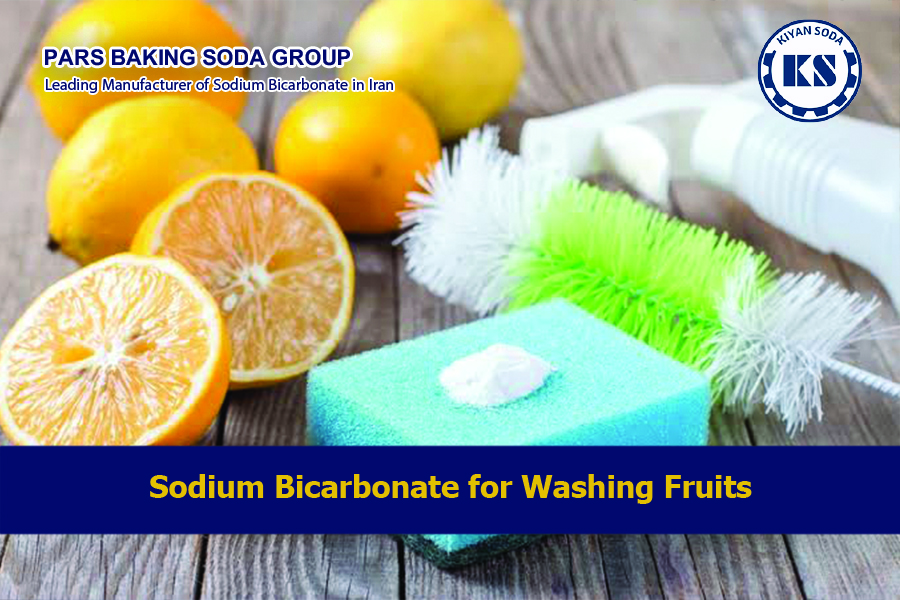
Fresh fruits and vegetables can carry soil, microorganisms, and pesticide residues from cultivation, harvesting, transportation, and handling. Washing helps remove some surface contaminants, but its effectiveness depends on the type of produce, the nature of the contaminant, and the washing conditions. A sodium bicarbonate fruit wash is often discussed as a supplementary approach to conventional produce washing. Baking soda creates a mildly alkaline solution that may help reduce certain pesticide residues on produce surfaces. However, this potential benefit should not be confused with a general food-safety guarantee. Sodium bicarbonate does not remove every pesticide or eliminate all pathogens, and it should not replace established produce-washing practices. Understanding how this method works, where its limitations lie, and how it compares with conventional washing can help consumers make informed decisions about its use.
How Sodium Bicarbonate Works in Produce Washing
Sodium bicarbonate (NaHCO₃), commonly known as baking soda, is a water-soluble compound used in food preparation and various household applications. When dissolved in water, it produces a mildly alkaline solution. This property has attracted interest in produce washing, particularly for its potential to reduce certain pesticide residues on the surfaces of fruits and vegetables.
The effectiveness of a sodium bicarbonate fruit wash depends on the interaction between the solution and the contaminant. Some pesticide compounds may respond to alkaline conditions differently from others, while rinsing and gentle rubbing can help dislodge dirt and surface residues.
Results are not consistent across all types of produce. Fruits and vegetables differ in skin structure, surface texture, waxiness, and susceptibility to damage. Pesticides also vary in their chemical properties and ability to penetrate plant tissues. Consequently, a washing method that reduces one type of surface residue may have limited effects on another. Sodium bicarbonate should therefore be considered a supplementary approach with specific limitations, rather than a universal solution for removing contaminants.
Using Sodium Bicarbonate for Produce Washing
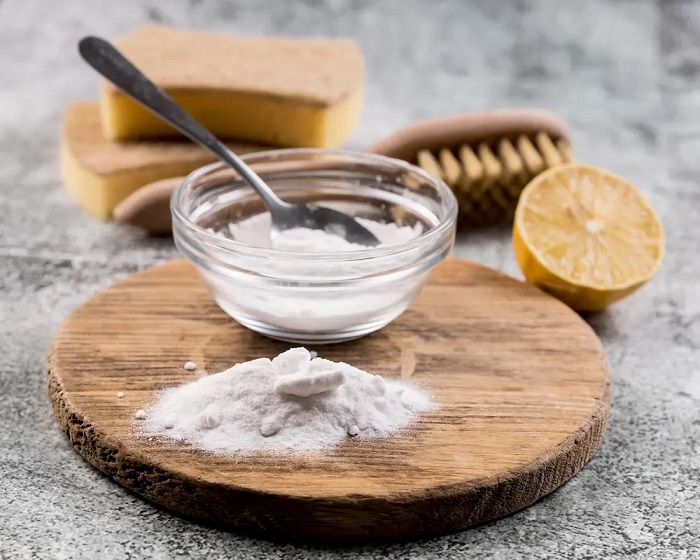
The practical considerations for a sodium bicarbonate fruit wash include solution preparation, contact time, produce characteristics, and thorough rinsing. These factors influence the washing process, but no single concentration or treatment duration has been established as optimal for every fruit and vegetable.
1. Solution Preparation and Contact Conditions
Sodium bicarbonate dissolves readily in water, making it suitable for preparing a washing solution. The concentration should be selected according to the intended application and available evidence. A stronger solution does not necessarily produce better results.
Contact time also matters. Under certain conditions, longer exposure may improve the removal of specific residues, but it does not guarantee broader contaminant removal. Prolonged soaking may also affect the texture or quality of delicate produce.
The appropriate conditions can therefore vary according to the type of produce and the purpose of washing. Where a validated procedure is unavailable for a particular product and contaminant, claims of guaranteed effectiveness should be avoided.
2. Produce Characteristics and Physical Washing
The structure of a fruit or vegetable affects how easily contaminants can be removed. Firm produce with relatively smooth surfaces may tolerate gentle brushing, whereas leafy greens, berries, and thin-skinned produce require less mechanical force.
Damaged or bruised areas also deserve attention because they can retain dirt and may provide opportunities for microbial contamination. Removing damaged portions or discarding spoiled produce is a separate food-safety measure; it is not an effect of the washing solution itself.
Regardless of whether a sodium bicarbonate fruit wash is used, washing should involve appropriate physical action and a thorough rinse under clean running water. Clean hands and equipment also help reduce the risk of recontamination.
3. Rinsing and Post-Wash Handling
Rinsing is essential after treatment with a washing solution. Clean running water helps remove loosened surface material and residual sodium bicarbonate. Firm produce may be gently rubbed or brushed with a clean produce brush when appropriate. After washing, drying with a clean towel or paper towel can help reduce some surface bacteria. Hygienic handling and suitable storage conditions remain important because washing alone cannot eliminate all microbial hazards.
The U.S. Food and Drug Administration (FDA) recommends washing produce under running water and advises against using soap, household detergents, or commercial produce washes. Running water remains the standard baseline for household produce preparation.
What Does the Evidence Say About Sodium Bicarbonate Fruit Wash?
Research suggests that sodium bicarbonate can help reduce certain pesticide residues on produce surfaces under specific experimental conditions. A study published in the Journal of Agricultural and Food Chemistry in 2017 reported a reduction in certain pesticide residues on apples using a baking soda solution. However, residues that had penetrated into the fruit were not completely removed by washing.
These findings support a limited application rather than proving that a sodium bicarbonate fruit wash removes all pesticides from all types of produce. Results from a study involving specific pesticides and apples should not automatically be generalized to other crops, chemical compounds, or household washing conditions. The distinction between surface contamination and residues within plant tissues is particularly important. Washing primarily acts on the surface of produce and cannot be relied upon to remove contaminants that have penetrated beneath it.
Pesticide Residues and Microbial Contamination Are Different Issues
Pesticide removal and microbial reduction are separate outcomes. A solution that helps reduce certain chemical residues is not necessarily an effective disinfectant against bacteria, viruses, or parasites.
Washing produce under running water can reduce dirt and some microorganisms, but it does not sterilize food. A sodium bicarbonate fruit wash should therefore not be promoted as a proven method for eliminating foodborne pathogens or making contaminated produce safe to eat.
The type of contaminant, the condition of the produce, and the washing method all influence the outcome. Appropriate handling, clean equipment, and proper storage remain essential parts of produce safety.
Sodium Bicarbonate Compared with Other Washing Methods
Different produce-washing approaches serve different purposes, and the available evidence does not support treating them as interchangeable.
- Sodium Bicarbonate Solution vs. Running Water
Running water is the standard household recommendation for washing fresh produce. It helps remove loose soil and surface debris, while gentle rubbing or brushing can improve physical removal on suitable produce. A sodium bicarbonate fruit wash may provide additional benefits for certain pesticide residues under specific conditions. However, the available evidence is limited to particular combinations of produce and contaminants. It should not be assumed to outperform water for every washing objective.
- Sodium Bicarbonate vs. Commercial Produce Washes
Commercial produce washes vary in composition, and their safety and effectiveness cannot be assumed based on marketing claims alone. The FDA does not recommend using commercial produce washes, soap, or household detergents to wash fruits and vegetables. Sodium bicarbonate is also not a universally validated produce sanitizer. Its potential role in reducing certain pesticide residues should be distinguished from disinfection. It should not be mixed with bleach, detergents, or other cleaning chemicals for produce washing.
Safety Considerations for Household Use
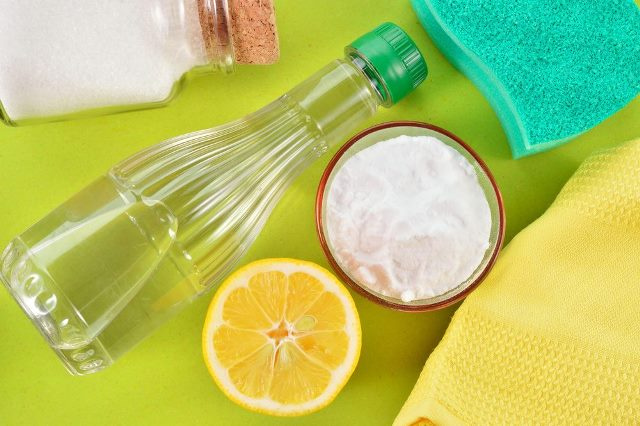
Product grade and intended use matter when selecting sodium bicarbonate. Products marketed for household cleaning are not necessarily interchangeable with products intended for food-related applications. For applications involving food, selecting an appropriate food grade sodium bicarbonate product is important.
The intended use and specifications of a product should be checked before application. A food-grade designation alone does not establish that a particular washing procedure is necessary or more effective than running water. Consumers should follow the product’s stated intended use rather than assuming that all sodium bicarbonate products are suitable for every application.
For household applications, household use grade sodium bicarbonate should be used according to their stated specifications. A sodium bicarbonate fruit wash should not replace basic food-safety practices. Do not use soap, laundry products, household detergents, or bleach to wash produce. Avoid mixing cleaning agents, and rinse produce thoroughly with clean running water after any supplementary treatment.
People preparing produce for vulnerable individuals should be particularly careful not to interpret washing as a guarantee against foodborne illness. Fresh produce should be sourced, handled, washed, and stored appropriately, and visibly spoiled items should be discarded.
Conclusion
Sodium bicarbonate may help reduce certain pesticide residues on produce surfaces under specific conditions, but its effectiveness depends on the contaminant, the characteristics of the fruit or vegetable, and the washing conditions. Research findings should be interpreted within the limitations of the studies rather than generalized to every crop and pesticide.
A sodium bicarbonate fruit wash is best understood as a supplementary approach with limited applications, not a replacement for washing produce under clean running water or following established food-safety practices. Thorough rinsing, hygienic handling, appropriate storage, and selecting products suitable for their intended use remain central to safe fruit and vegetable preparation.
FAQ
No. Evidence indicates that sodium bicarbonate may reduce certain pesticide residues on produce surfaces under specific conditions. Its effectiveness varies, and it cannot reliably remove residues that have penetrated plant tissues.
Not for every purpose. Some experimental evidence suggests benefits for particular surface pesticide residues, but running water remains the standard household recommendation for general produce washing.
There is no universally validated soaking time for all produce and contaminants. Results depend on the type of produce, the pesticide involved, and the treatment conditions. Longer soaking does not guarantee complete residue removal or disinfection.
Sodium bicarbonate should not be treated as a proven general-purpose disinfectant. Washing may reduce some surface microorganisms, but it does not eliminate all pathogens or automatically make contaminated produce safe.