
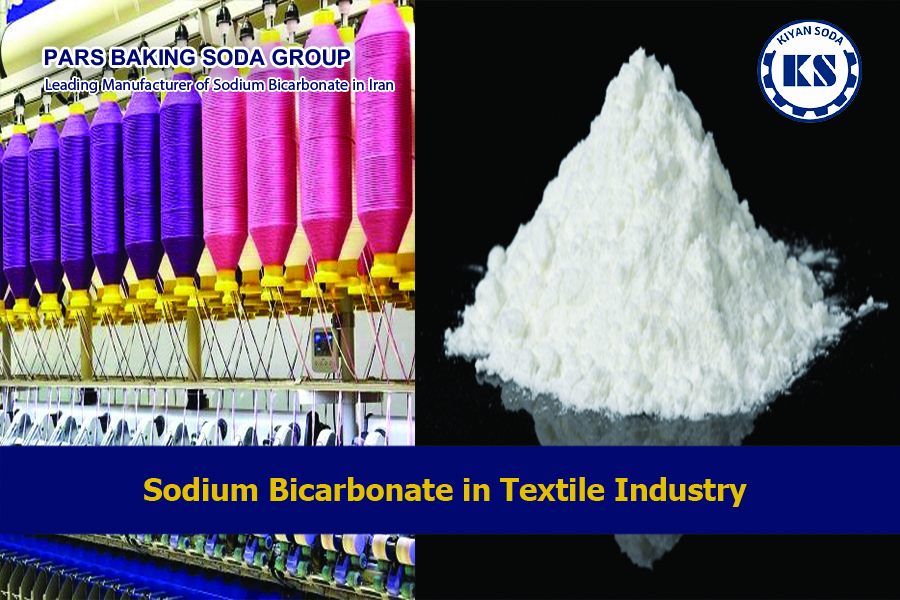

Textile dyeing requires precise control of chemical conditions to achieve uniform shades, efficient dye fixation, and durable color performance. Among the chemicals used to regulate dyeing conditions, sodium bicarbonate can play an important role in selected textile processes, particularly when alkaline conditions are required for reactive dye fixation.
The role of sodium bicarbonate in textile processing depends on the dye class, fiber type, dyeing method, and process conditions. These factors are particularly important in sodium bicarbonate textile industry applications where consistent process conditions are required. Understanding them helps manufacturers select suitable materials and maintain consistent results throughout fabric production.
Alkaline Chemistry in Textile Dyeing
Alkalinity is an important part of many textile dyeing processes because pH affects the interaction between dyes, fibers, and other chemicals in the dye bath. The required alkaline conditions vary considerably between dye classes and applications, so the same chemical treatment cannot be applied to every type of textile dye. In sodium bicarbonate textile industry applications, its value is mainly associated with its ability to contribute to controlled alkaline conditions rather than serving as a universal dyeing agent.
- pH and Dye–Fiber Interactions
pH influences the chemical state of both the dye and the fiber and can therefore affect dye uptake, reaction, fixation, and the final appearance of the fabric. Maintaining an appropriate pH range is particularly important when reactive dyes are applied to cellulosic materials such as cotton. An unsuitable pH can reduce fixation efficiency or promote undesirable reactions between the dye and the dye bath. For this reason, pH control is an essential part of reproducible textile processing.
- Alkaline Conditions in Reactive Dyeing
Reactive dyes are widely used for cellulosic fibers because they can form chemical bonds with suitable functional groups in the fiber. Reactive dye fixation on cellulosic fibers requires alkaline conditions that promote the reaction between the reactive dye and functional groups in the fiber. Different reactive dye systems may require different alkali types, concentrations, temperatures, and treatment times. Sodium bicarbonate can be used in selected processes to provide or support the required alkalinity, while stronger alkaline materials may be preferred in other formulations.
Reactive Dye Fixation
Reactive dyeing involves more than simply transferring color from a dye bath to a fabric. A proportion of the dye must become fixed to the fiber so that the resulting shade has the required durability and resistance to subsequent washing and use. The effectiveness of fixation depends on the chemical characteristics of the dye, the fiber structure, temperature, pH, dye concentration, electrolyte concentration, and the duration of the treatment. These variables also determine how effectively baking soda dye fixation can be achieved in a specific reactive dyeing system.
Reactive Dye Bonding
Cellulosic fibers contain hydroxyl groups that can participate in reactions with suitable reactive dyes under alkaline conditions. During fixation, the reactive group of the dye reacts with functional groups in the cellulose, forming a covalent bond that helps retain the dye within the fiber structure.
However, reactive dyes can also undergo hydrolysis in the presence of water. Hydrolyzed dye may no longer react effectively with the fiber, which makes accurate control of the dyeing conditions important for achieving high fixation efficiency. The selection and control of alkaline chemicals are therefore important considerations in reactive dyeing rather than simply increasing alkalinity as much as possible.
Controlled Alkalinity
The objective of alkalinity control is to create conditions that support dye fixation while limiting unwanted reactions. Excessive or insufficient alkalinity can affect dye behavior, shade development, and the overall efficiency of the process. Baking soda dye fixation therefore needs to be considered as part of a controlled dyeing system. The appropriate amount and timing depend on the formulation and the specific reactive dyeing process rather than on a universal dosage.
Baking Soda in Reactive Dyeing
Sodium bicarbonate is a relatively mild alkaline material that can be incorporated into certain reactive dyeing processes. Its function is related primarily to establishing suitable chemical conditions for fixation rather than acting as the dye itself. In practical textile manufacturing, the choice between sodium bicarbonate and other alkaline materials depends on the dye system, fabric type, equipment, and desired process conditions. This distinction is important when evaluating sodium bicarbonate textile industry applications across different production systems.
Dye Fixation Efficiency
The effectiveness of baking soda dye fixation depends on maintaining conditions that allow the reactive dye to interact appropriately with the cellulose fiber. When the alkaline environment is properly controlled, sodium bicarbonate can support the fixation stage of selected reactive dyeing systems. Its relatively mild alkalinity can be useful where gradual or controlled changes in dye bath conditions are desirable. However, the specific role of sodium bicarbonate should always be evaluated alongside the requirements of the selected dye and process.
A reliable supply of sodium bicarbonate is also important for manufacturing operations that require repeatable dyeing results. Consistent chemical quality can reduce variation between production batches and support more predictable process control in sodium bicarbonate textile industry applications.
Process Conditions
Temperature, pH, dye concentration, liquor ratio, treatment time, and the sequence in which chemicals are introduced can all influence fixation. These parameters should be considered together rather than treating sodium bicarbonate as an isolated component of the process.
For textile manufacturers, consistent process conditions can improve shade reproducibility and reduce the need for corrective dyeing. A qualified sodium bicarbonate supplier can therefore be an important part of maintaining a reliable supply of material with consistent specifications.
Color Fastness and Fabric Performance
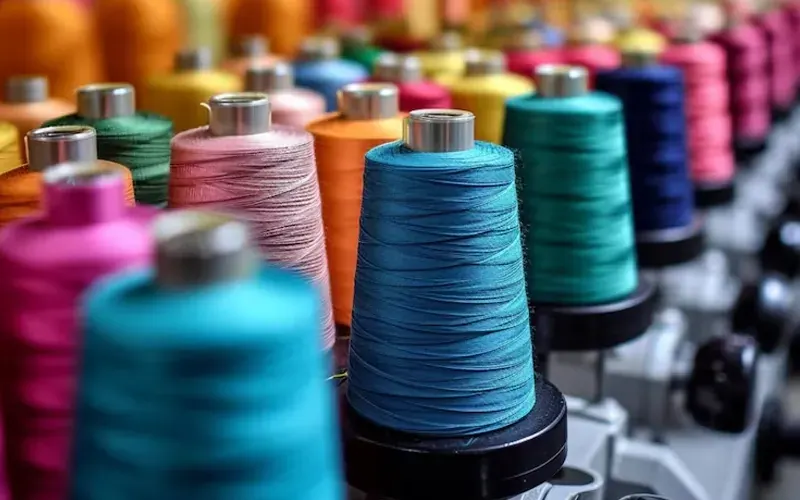
Effective dye fixation is closely associated with the long-term performance of dyed textiles. When an appropriate proportion of dye becomes firmly bonded to the fiber, less unfixed material remains available to migrate or wash out during subsequent processing. Color fastness, however, is a broader property and cannot be attributed to sodium bicarbonate alone. The final performance of a dyed fabric results from the interaction of dye chemistry, fiber characteristics, fixation conditions, washing, finishing, and subsequent use.
- Dye–Fiber Bonding and Color Fastness
The chemical bonding achieved during reactive dye fixation can contribute to resistance against color loss during laundering and other forms of use. Efficient fixation can reduce the amount of loosely held or unfixed dye that may be removed during washing. This relationship explains why controlled baking soda dye fixation can be relevant to final color performance in appropriate reactive dyeing systems. Nevertheless, the expected level of color fastness depends on the complete formulation and processing sequence.
- Factors Affecting Color Fastness
Several factors determine the final color fastness of a textile, including dye selection, fiber composition, fixation efficiency, pH, temperature, processing time, and the effectiveness of post-dyeing washing.
Unfixed reactive dye should be removed adequately after fixation because residual dye can negatively affect washing fastness and may contribute to unwanted staining. Consequently, good color fastness depends on both an effective fixation stage and appropriate after-treatment. For manufacturers, controlling these variables is essential when consistent fabric quality is required across different production batches. Consistent sodium bicarbonate textile industry practices can contribute to better process control when the material is appropriate for the selected dyeing system.
Process Parameters
The performance of sodium bicarbonate in textile applications depends on how it interacts with the complete dyeing process. Industrial production therefore requires attention to chemical concentration, pH, temperature, treatment time, and the sequence of process steps.
Concentration, pH, Temperature, and Time
The concentration of sodium bicarbonate should be selected according to the dyeing formulation rather than applied as a fixed value across different textile products. Changes in concentration can influence the alkaline conditions of the dye bath and consequently affect the behavior of reactive dyes during fixation. Temperature and dyeing time also affect reaction kinetics. A process that is properly balanced across these parameters can provide more consistent fixation and shade development while minimizing unnecessary chemical consumption. In this context, baking soda dye fixation should always be evaluated together with the complete process formulation.
Process Consistency
Consistency is particularly important in large-scale textile manufacturing, where small variations in raw materials or process conditions can lead to noticeable differences in fabric shade. Using consistent industrial-grade sodium bicarbonate can support more predictable process conditions. Manufacturers should consider factors such as product purity, particle characteristics, moisture content, packaging, and batch-to-batch consistency when selecting a material for industrial use.
Reliable process control is especially important in sodium bicarbonate textile industry applications where repeated production runs must deliver comparable shades and fabric performance.
Industrial-Grade Sodium Bicarbonate
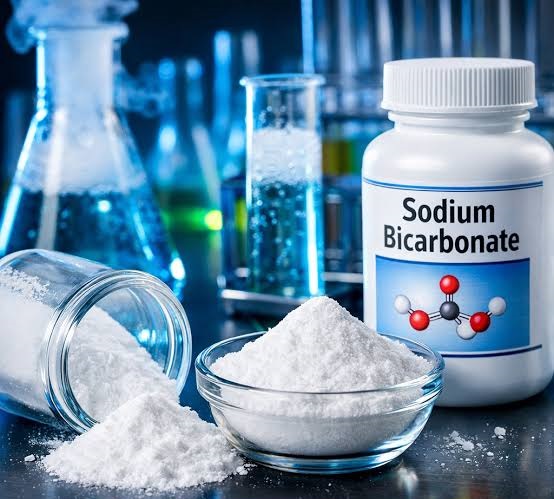
The quality of the alkaline material can influence the reliability of an industrial dyeing process. For this reason, textile manufacturers often evaluate not only the chemical identity of sodium bicarbonate but also the consistency and suitability of the supplied product. An industrial-grade sodium bicarbonate should meet the specifications required for its intended application and be supplied with appropriate quality control. For manufacturers operating continuous or high-volume production lines, stable specifications between shipments can be particularly important.
When evaluating a sodium bicarbonate manufacturer or supplier, textile processors should consider product consistency, specifications, packaging, and quality control. The appropriate product should always be selected according to the specific dyeing formulation and technical requirements of the production process. Proper storage is also important. Sodium bicarbonate should be protected from excessive moisture and contamination and stored according to the supplier’s recommendations. Appropriate packaging and handling practices help preserve product quality before it enters the dyeing process.
Industrial Applications of Sodium Bicarbonate
Sodium bicarbonate is used across a wide range of industrial applications because its chemical properties make it suitable for processes that require controlled alkalinity, buffering, cleaning, or pH adjustment. Textile dyeing is one example of how the material can support a specialized industrial process.
For manufacturers evaluating different grades and applications, reviewing available Baking Soda products can help identify a grade that matches the technical requirements of a specific production process. The requirements for sodium bicarbonate in petrochemical industry applications can differ considerably from those of textile dyeing. This illustrates why product selection should always be based on the intended end use and the technical conditions of each industrial process.
The broader range of sodium bicarbonate textile industry applications also demonstrates the importance of matching product specifications to the requirements of individual manufacturing processes.
Conclusion
Sodium bicarbonate can play a useful role in selected textile dyeing processes, particularly in reactive dye systems where controlled alkaline conditions are required for dye fixation. Its contribution is closely connected to pH management, dye–fiber interactions, and the overall conditions under which fixation takes place.
The relationship between fixation and color fastness also shows why sodium bicarbonate should not be considered an independent solution for fabric performance. Dye chemistry, fiber type, temperature, pH, treatment time, washing, and other processing conditions all contribute to the final result.
For textile manufacturers, selecting consistent industrial-grade sodium bicarbonate and maintaining reliable process conditions can support reproducible dyeing results and consistent fabric quality. When properly controlled, baking soda dye fixation can form part of an effective reactive dyeing process, while the specific role of the material should always be determined by the dye formulation and production requirements.
Frequently Asked Questions
No. The suitability of sodium bicarbonate depends on the reactive dye, fiber type, dyeing method, and required process conditions. Some reactive dyeing systems may require stronger alkaline materials or a combination of alkalis.
A qualified sodium bicarbonate manufacturer should provide consistent product specifications, appropriate packaging, quality control, and technical documentation for the intended industrial application. These factors are particularly important when sodium bicarbonate is used repeatedly in large-scale textile dyeing operations.
Sodium bicarbonate does not directly determine color fastness. However, when used appropriately in a reactive dyeing process, it can support dye fixation. Effective fixation, combined with proper washing and after-treatment, can contribute to better color performance.
Important factors include sodium bicarbonate concentration, pH, temperature, dye concentration, treatment time, liquor ratio, fiber type, dye chemistry, and the sequence in which chemicals are added.
Manufacturers should evaluate product specifications, purity, batch-to-batch consistency, moisture content, packaging, quality control, technical documentation, supply reliability, and suitability for the intended textile application.
The appropriate grade depends on the specific dyeing process and technical requirements. Textile manufacturers should select a product that meets the required specifications for their application and should confirm suitability with the supplier and dye-system requirements.
Consistent raw materials help manufacturers maintain more predictable process conditions. Significant variation in chemical characteristics can contribute to differences in dyeing behavior, shade development, and overall production results.