



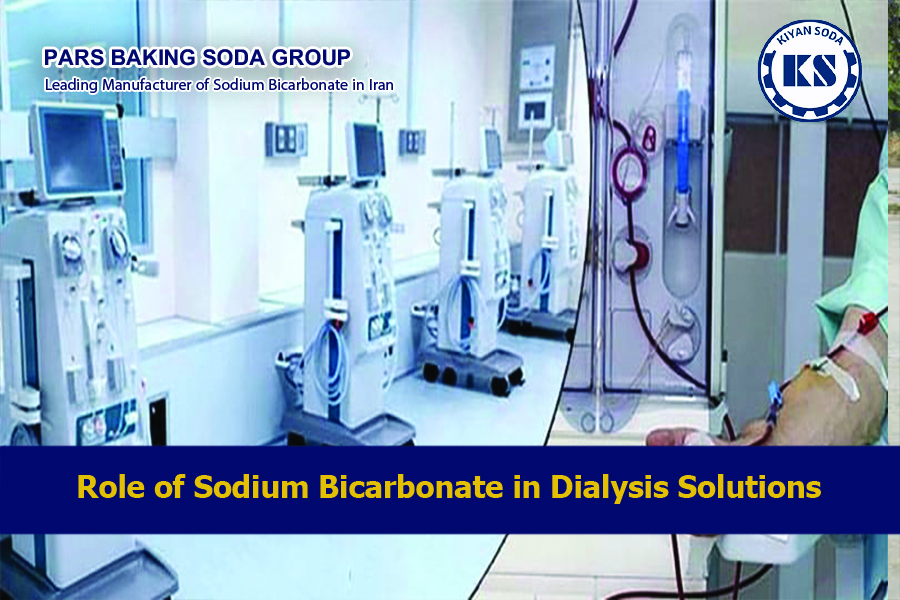
Sodium bicarbonate is an essential component of bicarbonate-based dialysis solutions used in hemodialysis. It helps maintain acid–base balance by supplying bicarbonate ions that can move from the dialysate into the blood across the dialyzer membrane. Its effectiveness, however, depends not only on its chemical function but also on the quality of the concentrate, the water used for preparation, and the controls applied throughout the dialysis fluid production process.
For manufacturers of dialysis concentrates and healthcare facilities preparing dialysis fluids, material quality is a critical consideration. Chemical contaminants, microbiological contamination, and incorrect solution preparation can compromise fluid quality and patient safety. Understanding the role of sodium bicarbonate dialysis applications therefore requires examining both its physiological function and the technical requirements governing its use.
The Role of Sodium Bicarbonate in Acid–Base Balance During Hemodialysis
Patients with advanced kidney disease may have difficulty maintaining normal acid–base balance because impaired kidney function reduces the body’s ability to excrete acid and regenerate bicarbonate effectively. Hemodialysis helps compensate for this limitation by enabling the exchange of dissolved substances between blood and dialysis fluid across a semipermeable membrane.
Bicarbonate-based dialysate contains a controlled concentration of bicarbonate ions. When the bicarbonate concentration in the dialysate exceeds that in the patient’s blood, bicarbonate can move into the blood by diffusion. The resulting transfer helps buffer excess hydrogen ions and correct metabolic acidosis, depending on the patient’s condition and the prescribed dialysis treatment. The bicarbonate concentration must be carefully controlled. An appropriate concentration supports acid–base correction, while an unsuitable concentration can contribute to excessive or insufficient bicarbonate delivery. The prescribed dialysate composition is therefore determined by clinical requirements and the dialysis system’s specifications, rather than by the properties of sodium bicarbonate alone.
In sodium bicarbonate dialysis applications, the objective is not simply to add an alkaline compound to a fluid. It is to deliver a precisely formulated dialysate whose composition remains within the required limits throughout treatment.
How Sodium Bicarbonate Is Used in Dialysis Solutions

Sodium bicarbonate is incorporated into dialysis fluid through carefully controlled concentrate preparation and delivery processes. The formulation used, the method of preparation, and compatibility with the dialysis system all influence the consistency and quality of the final solution. Understanding these factors helps explain how sodium bicarbonate is handled in routine dialysis applications.
1. Bicarbonate Concentrates in Powder and Liquid Forms
Sodium bicarbonate is supplied for dialysis applications in different formulations, including dry powder and prepared liquid concentrates. Both forms are used to produce bicarbonate-containing dialysis fluid, but they have different handling, preparation, and storage requirements.
Powdered concentrates can reduce the need to transport and store large volumes of liquid. They must, however, be protected from moisture and contamination, and they require controlled preparation according to the manufacturer’s instructions. Liquid concentrates are supplied ready for the specified dilution or system configuration and must be kept in their prescribed packaging and storage conditions. Bicarbonate concentrates are used alongside other components of the dialysis fluid formulation, including acid concentrates where applicable. These components have complementary functions and must be proportioned correctly. Concentrated bicarbonate and acid components should not be combined arbitrarily; preparation must follow the validated system design and manufacturer instructions.
2. Mixing Bicarbonate Concentrates to Prepare Dialysis Fluid
The preparation process affects the final composition and quality of the dialysis fluid. Depending on the system, a concentrate may be mixed with water at the dialysis facility or proportioned automatically by the dialysis machine. In either case, the specified dilution ratio, water quality, equipment condition, and operating procedure must be controlled.
Errors in weighing, dilution, or proportioning can alter the final bicarbonate concentration and the overall electrolyte composition. Inadequate cleaning or unsuitable handling can introduce contaminants, while deviations from the manufacturer’s instructions may prevent the prepared fluid from meeting its intended specifications. For this reason, the quality of sodium bicarbonate dialysis concentrates must be evaluated in relation to the complete preparation process, not only the assay value of the original raw material.
Quality Requirements for Sodium Bicarbonate Used in Dialysis
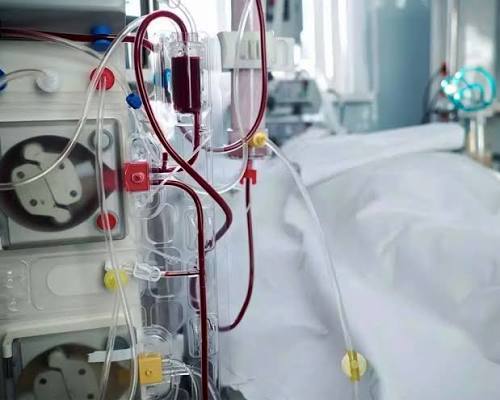
The quality of sodium bicarbonate used in dialysis depends on more than its principal chemical composition. Contaminant limits, microbiological quality, manufacturing consistency, and compliance with applicable specifications must all be considered. These requirements help ensure that the material is suitable for its intended use and can be incorporated into a controlled dialysis fluid preparation process.
1. Chemical Purity and Contaminant Limits
Chemical purity is a fundamental requirement because dialysis fluid is separated from the patient’s blood by a membrane that allows the transfer of water and dissolved substances. Depending on their properties and concentrations, contaminants in the fluid may cross the membrane or otherwise compromise treatment quality.
Quality assessment should therefore consider the applicable chemical specifications, including assay, relevant impurities, and limits for contaminants. The exact requirements depend on the product’s intended use, applicable standards, and the manufacturer’s validated process. A general certificate stating that a material is predominantly sodium bicarbonate does not, by itself, demonstrate suitability for dialysis applications. Consistency between production batches is also important. Variations in composition or impurity levels can affect the reliability of concentrate preparation and make it more difficult to maintain a consistent final dialysate composition.
2. Microbiological Quality and Endotoxin Control
Microbiological quality is particularly important for bicarbonate concentrates because bicarbonate-containing aqueous solutions can support microbial growth under suitable conditions. Contamination may occur during production, packaging, preparation, or storage.
Endotoxins, which are components of the outer membrane of certain Gram-negative bacteria, require specific consideration. They can remain present even when viable bacteria are no longer detectable. Microbiological testing and endotoxin control are therefore related but distinct elements of quality assurance.
For liquid concentrates, packaging integrity and validated manufacturing processes help maintain the required quality during storage and use. Powdered products also require appropriate manufacturing controls and protection from contamination. Once a concentrate is prepared, handling procedures and permitted storage times must follow the product and system instructions. The applicable requirements should be assessed against the relevant standards, including ISO 23500-4:2024 , which addresses concentrates for hemodialysis and related therapies.
3. Pharmaceutical Quality Standards and Regulatory Requirements
Pharmaceutical-grade quality is relevant to the safety expectations associated with medical applications, but the term alone does not establish that a material is suitable for every dialysis process. Suitability depends on the applicable specifications, intended use, manufacturing controls, and evidence of compliance with the relevant requirements.
ISO 23500-4:2024 addresses chemical and microbiological requirements for hemodialysis concentrates. By contrast, ISO 23500-5:2024 specifies minimum chemical and microbiological quality requirements for the final dialysis fluid. These standards cover different stages of the process and should not be treated as interchangeable.
Manufacturers and healthcare facilities must determine which requirements apply to their product and preparation method. Documentation should support the intended application and demonstrate that the relevant quality controls have been implemented.
Quality Control from Bicarbonate Concentrate to Final Dialysis Fluid
Quality assurance must extend beyond testing the incoming raw material. Even a concentrate that meets its specifications can produce an unsuitable final fluid if water quality, dilution, equipment performance, or handling is inadequate.
- Concentrate Preparation and Process Control
Manufacturing and preparation controls should verify the composition of the concentrate and ensure that the specified preparation procedure is followed. Relevant measures may include raw-material identification, analytical testing, controlled weighing and mixing, batch traceability, and checks of packaging integrity.
At healthcare facilities, powdered or liquid concentrates must be prepared according to the instructions for the specific product and equipment. Water used in the process must meet the applicable requirements, and systems must be maintained and monitored as specified by the manufacturer. These measures help reduce variability and ensure that the prepared concentrate can be used as intended in the validated dialysis fluid delivery system.
- Final Dialysis Fluid Quality and Patient Safety
The final dialysis fluid is produced by combining suitable water with acid and bicarbonate concentrates in the required proportions. Its quality depends on the combined performance of these components and the delivery system. ISO 23500-5:2024 addresses the minimum chemical and microbiological quality requirements for dialysis fluid. Compliance therefore requires attention to the final fluid, rather than relying exclusively on raw-material certificates or concentrate specifications.
Incorrect proportioning, contaminated water, unsuitable components, or inadequate system maintenance can affect the final composition. Validated preparation systems, routine monitoring, and adherence to operating instructions are essential elements of a quality-management approach. Ultimately, sodium bicarbonate dialysis applications depend on coordinated controls across the supply chain, concentrate preparation, and final fluid delivery. No single purity claim can replace this broader assessment.
Product Specifications and Grade Suitability for Dialysis Applications
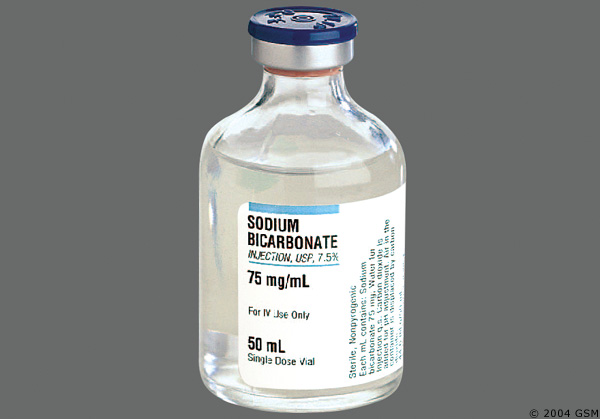
The grade of sodium bicarbonate should be assessed according to the intended application and its documented quality requirements. Pharmaceutical, food, and industrial products may share the same principal chemical compound, but they are not necessarily manufactured, tested, or released under equivalent specifications.
For example, food grade sodium bicarbonate is intended to meet requirements for its designated food applications. That designation does not automatically demonstrate compliance with the chemical, microbiological, or process requirements associated with dialysis concentrates.
Likewise, industrial-grade sodium bicarbonate should not be assumed suitable for dialysis merely because its main ingredient is sodium bicarbonate. Buyers and manufacturers evaluating a material for a medical application need to verify the complete specification, relevant impurity limits, microbiological controls, traceability, and documented suitability for the intended process. The phrase sodium bicarbonate pharmaceutical industry describes a broader area in which quality requirements depend on the intended application. Pharmaceutical manufacturing, dialysis concentrate production, and other technical uses may have different specifications and regulatory expectations.
Material selection should therefore be based on documented compliance with the requirements applicable to the specific product, rather than on a grade name alone. For companies reviewing sodium bicarbonate products, the website of Pars Baking Soda provides a starting point for exploring the company’s product information. Any material considered for dialysis-related manufacturing must still be evaluated against the specifications and requirements governing that application.
Conclusion
Sodium bicarbonate plays a central role in bicarbonate-based dialysis solutions by supporting acid–base correction during hemodialysis. Its effective use depends on accurate concentrate preparation, suitable water, compatible equipment, and controlled final fluid composition.
For sodium bicarbonate dialysis applications, chemical purity is necessary but not sufficient. Microbiological quality, endotoxin control, batch consistency, and compliance with the standards applicable to concentrates and final dialysis fluid are also essential. Evaluating the material against documented application-specific requirements provides a more reliable basis for quality assurance and patient safety than relying on a general grade designation alone.
FAQ
Sodium bicarbonate supplies bicarbonate ions that help correct metabolic acidosis during hemodialysis. It supports acid–base balance through the controlled transfer of bicarbonate from the dialysis fluid into the blood.
Requirements depend on the intended product and process. Relevant considerations include chemical composition, contaminant limits, microbiological quality, endotoxin control, batch consistency, packaging, and compliance with applicable standards.
Not solely on the basis of its grade designation or principal chemical composition. Suitability must be demonstrated against the applicable requirements for dialysis concentrates and the intended manufacturing or preparation process.
Bicarbonate concentrates, particularly aqueous formulations, may support microbial growth under suitable conditions. Appropriate manufacturing, packaging, storage, preparation, and monitoring help control microbiological contamination and endotoxin risks.