

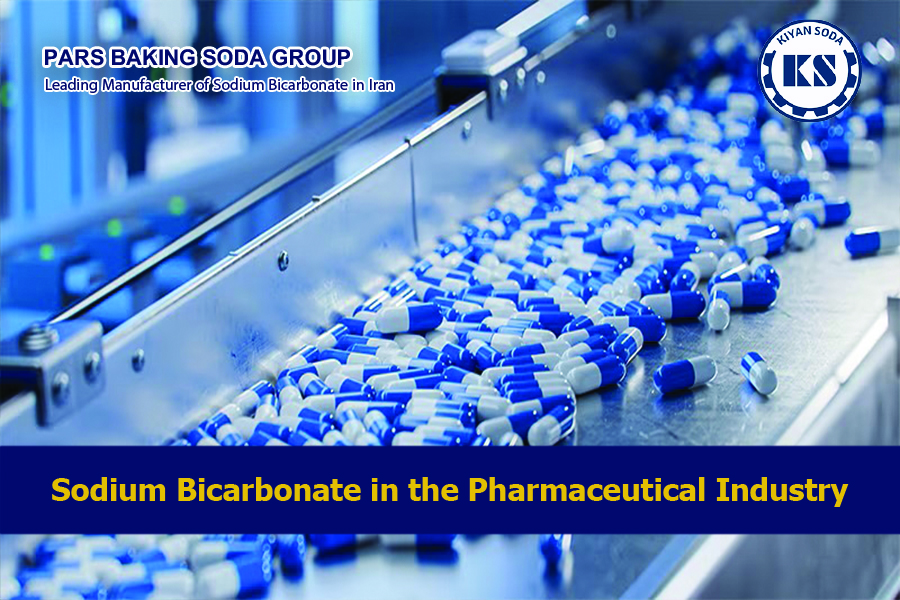
Sodium Bicarbonate in the Pharmaceutical Industry has several established applications, from antacid formulations and effervescent tablets to buffering systems and dialysis solutions. Its ability to neutralize acids, contribute to pH control, and release carbon dioxide in controlled reactions makes sodium bicarbonate a versatile ingredient in different pharmaceutical formulations. The use of sodium bicarbonate in pharmaceuticals requires careful attention to product quality. Pharmaceutical formulations are manufactured according to defined specifications, so the sodium bicarbonate used as a raw material must provide appropriate purity, consistency, and chemical characteristics. High-purity sodium bicarbonate is particularly important when the final product requires strict control over composition, stability, and performance.
The Role of Baking Soda in Pharmaceutical Manufacturing
Baking soda, chemically known as sodium bicarbonate (NaHCO₃), is an alkaline sodium salt of carbonic acid. When it reacts with an acid, it can produce carbon dioxide, water, and a corresponding salt. This reaction is responsible for several important applications of baking soda in pharmaceuticals, particularly acid neutralization and effervescence.
The role of sodium bicarbonate pharmaceutical industry applications also extends to acid-base regulation. Depending on the formulation, baking soda may function as an active pharmaceutical ingredient, alkalinizing agent, buffering component, or formulation ingredient. The quality requirements for pharmaceutical materials are more specific than those for many general industrial applications. The United States Pharmacopeia (USP), for example, specifies that sodium bicarbonate contains not less than 99.0% and not more than 100.5% sodium bicarbonate, calculated on the dried basis.
This means that pharmaceutical manufacturers should evaluate baking soda according to the intended dosage form and application rather than relying only on its chemical identity.
Key Applications of Baking Soda in Pharmaceuticals
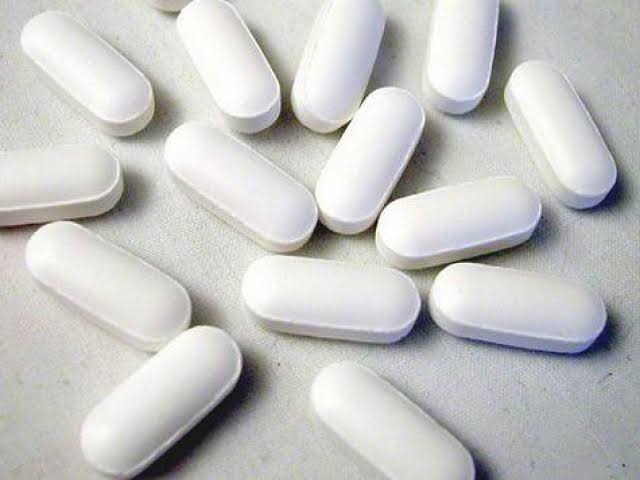
The versatility of baking soda allows it to perform different functions in pharmaceutical formulations. Important examples include acid neutralization, effervescent systems, pH control, dialysis solutions, and selected oral and injectable preparations.
1. Antacids and Acid Neutralization
One of the best-known applications of baking soda in pharmaceuticals is acid neutralization. Baking soda reacts with hydrochloric acid and reduces acidity, producing sodium chloride, water, and carbon dioxide. This property makes it suitable for inclusion in certain antacid formulations and other products designed to neutralize acid.
The effectiveness of an antacid formulation depends on several factors, including the amount of sodium bicarbonate, the combination with other active ingredients, the formulation design, and the required acid-neutralizing capacity. Because the reaction can release carbon dioxide, formulation development must also take the physical behavior of the finished product into account.
2. Effervescent Tablets and Powders
Another important application of baking soda in pharmaceuticals is the production of effervescent tablets and powders. When baking soda is combined with an appropriate acid, such as citric acid, the ingredients react in the presence of water and release carbon dioxide. This produces the characteristic effervescence and helps the formulation dissolve or disperse in water.
USP recognizes effervescent tablet formulations containing sodium bicarbonate, potassium bicarbonate, and citric acid, demonstrating the established use of bicarbonates in this pharmaceutical dosage form. The performance of sodium bicarbonate pharmaceutical industry formulations depends on factors such as ingredient ratios, moisture control, particle characteristics, and compatibility between acidic and alkaline components.
3. Buffering and pH Control
pH control is another significant application of baking soda in pharmaceutical formulations. Sodium bicarbonate participates in acid-base equilibria involving bicarbonate, carbonic acid, carbon dioxide, and water. It can therefore be incorporated into formulations where controlled pH or alkalinization is required.
In pharmaceutical manufacturing, pH can influence chemical stability, solubility, compatibility, and product performance. The concentration of baking soda must therefore be determined according to the specific formulation and required pH range. It is also important to distinguish between sodium bicarbonate as part of a complete buffer system and its use as an alkalinizing agent. Its function depends on the other components and the conditions of the formulation.
4. Dialysis Solutions
Bicarbonate plays an important role in hemodialysis because it provides a source of buffer that can help address acid-base disturbances associated with reduced kidney function. Baking soda can be used as a component of dialysate systems, including powder and liquid preparations. This represents another specialized application of baking soda in pharmaceuticals where consistent composition and controlled quality are essential.
The concentration of bicarbonate in a dialysis system must correspond to the specifications of the particular product and treatment system. This makes accurate formulation and reliable raw-material quality especially important.
5. Oral and Injectable Pharmaceutical Forms
The use of baking soda in pharmaceuticals is not limited to antacids and effervescent products. Sodium bicarbonate is also available in pharmaceutical dosage forms such as oral powder, tablets, and injection. USP has separate monographs for sodium bicarbonate oral powder, tablets, and injection, reflecting the different requirements associated with each preparation. For example, the USP monograph defines sodium bicarbonate injection as a sterile solution of sodium bicarbonate in Water for Injection.
Sodium bicarbonate injection is used as an alkalinizing agent in specific clinical situations. Current FDA labeling identifies its use to raise plasma pH in clinically significant metabolic acidosis and to alkalinize urine in certain cases of drug poisoning. Because injectable products require stringent manufacturing and quality controls, the sodium bicarbonate used in these products must meet the specifications applicable to the intended pharmaceutical preparation.
Benefits of Baking Soda in Pharmaceutical Formulations
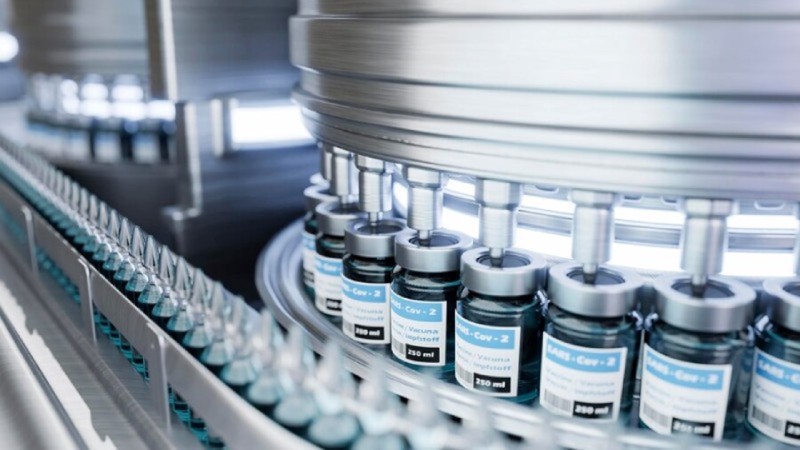
The benefits of baking soda in pharmaceuticals are associated with several complementary chemical and formulation properties.
- Formulation Versatility
Baking soda can serve different functions depending on the product. It may act as an active ingredient, alkalinizing agent, buffering component, or part of an effervescent system. This versatility makes sodium bicarbonate pharmaceutical industry applications relevant to several pharmaceutical dosage forms.
- Predictable Acid-Base Behavior
The acid-neutralizing reaction of baking soda is well established. This predictable behavior can be useful when a formulation requires a defined neutralizing capacity or controlled alkalinization.
- Effervescent Performance
The ability of baking soda to generate carbon dioxide when combined with an appropriate acid makes it valuable in effervescent formulations.
This reaction can support the dissolution or dispersion of selected oral products in water and provides a practical delivery format for certain formulations.
- Established Pharmaceutical Uses
The presence of pharmacopeial specifications for different sodium bicarbonate dosage forms reflects its established role in pharmaceutical applications. These established uses also demonstrate why sodium bicarbonate pharmaceutical industry products must be evaluated according to appropriate quality specifications.
High-Purity Baking Soda and Pharmaceutical Quality
The quality of the raw material is critical when baking soda is incorporated into pharmaceutical manufacturing. High-purity material is particularly important in baking soda in pharmaceuticals, where the final product must comply with defined quality requirements.
1. Purity and Impurity Control
High-purity baking soda helps manufacturers maintain greater control over the composition of pharmaceutical formulations. Pharmaceutical quality is not determined solely by the percentage of sodium bicarbonate. Relevant impurities, assay, moisture-related characteristics, and other specifications may need to be controlled according to the intended use.
The USP specifications for sodium bicarbonate illustrate the importance of defined quantitative quality requirements for pharmaceutical-grade material. The specifications required for pharmaceutical applications may differ from those used for food applications. For information about sodium bicarbonate intended for food-related uses, see Food Grade sodium bicarbonate.
2. Batch-to-Batch Consistency
Consistency from one production batch to another is essential because pharmaceutical formulations are developed around defined quantities and specifications.
Variation in chemical composition or relevant physical characteristics can affect processing and final-product performance. Reliable sodium bicarbonate pharmaceutical industry raw materials therefore help manufacturers maintain consistent production conditions.
3. Documentation and Traceability
Quality documentation is another important consideration when using baking soda in pharmaceutical manufacturing. Depending on the application, manufacturers may require certificates of analysis, batch identification, specification data, and documentation demonstrating that the material meets the required quality criteria. These controls support traceability and help manufacturers verify that incoming material is appropriate for its intended pharmaceutical application.
Pharmaceutical manufacturers also need to consider how baking soda behaves during processing and storage. Factors such as moisture exposure, particle size, solubility, and compatibility with other formulation ingredients can influence manufacturing performance. In effervescent products, moisture control is particularly important because premature contact with water can initiate the acid-base reaction before the product is used. Proper packaging and controlled storage can therefore help preserve the physical and chemical properties of the material. Consistent analytical testing and batch documentation also allow manufacturers to identify variations early and maintain reliable production standards.
Key Considerations for Pharmaceutical-Grade Baking Soda
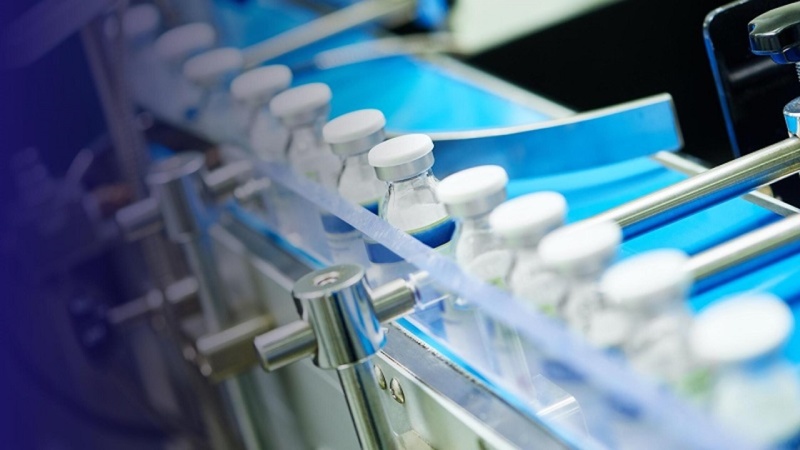
Selecting baking soda for pharmaceutical manufacturing requires consideration of the final application, dosage form, and applicable specifications. Important factors can include:
- Chemical purity and assay
- Relevant impurity limits
- Physical characteristics required by the formulation
- Batch-to-batch consistency
- Packaging integrity
- Appropriate storage conditions
- Quality-control documentation
- Batch traceability
Compliance with specifications required for the intended dosage form
The exact requirements depend on how the material will be used. For example, baking soda intended for an oral powder does not necessarily have the same requirements as material used in an injectable pharmaceutical product. USP provides separate specifications for these dosage forms, illustrating the importance of considering the intended pharmaceutical application.
The functional and quality requirements can also vary considerably between pharmaceutical manufacturing and other industrial applications. This distinction is particularly relevant when comparing baking soda in pharmaceuticals with baking soda used in the petrochemical sector. More information about this application is available in sodium bicarbonate in petrochemical industry.
Baking soda is available in different grades, and the appropriate specification depends on factors such as purity, intended use, processing conditions, and applicable requirements. Products such as Pars Baking Soda can therefore be evaluated according to the specific characteristics required for their intended industrial application.
Conclusion
Baking soda has several established roles in pharmaceutical applications, including acid neutralization, effervescent formulations, pH control, dialysis solutions, and selected oral and injectable preparations. Its chemical properties make it a versatile material for different pharmaceutical formulations.
The importance of sodium bicarbonate pharmaceutical industry applications extends beyond functionality. High purity, consistent quality, appropriate specifications, reliable documentation, and suitable storage are all important when sodium bicarbonate is used as a pharmaceutical raw material.
The broad use of baking soda in pharmaceuticals also demonstrates the importance of selecting material according to the intended dosage form and quality requirements. Using baking soda with appropriate specifications can help pharmaceutical manufacturers maintain consistent formulation and production processes while supporting the quality of the finished product.