


Avian influenza, commonly known as bird flu, is a viral disease caused by influenza A viruses that primarily affect wild and domestic birds. Some strains can also infect mammals, including livestock and humans, making avian influenza an important concern for poultry production, animal health and public health. The impact of an outbreak can be substantial, particularly when highly pathogenic strains are involved. Rapid spread within poultry flocks may lead to severe disease, increased mortality and major production losses. Understanding bird flu transmission, recognizing potential signs and implementing effective prevention measures are therefore essential for maintaining flock health.
Understanding Avian Influenza
Avian influenza viruses vary considerably in their pathogenicity and the severity of disease they cause in birds. Based on their effects in poultry, they are broadly classified as low pathogenic avian influenza (LPAI) and highly pathogenic avian influenza (HPAI).
Low- and Highly Pathogenic Avian Influenza
Low pathogenic avian influenza viruses may cause mild or even unapparent infection in poultry. In some cases, however, they can reduce production performance or cause respiratory, digestive or reproductive problems, particularly when other infections or environmental stressors are present.
Highly pathogenic avian influenza can cause severe systemic disease, especially in susceptible poultry. Some HPAI viruses, including certain H5 and H7 viruses, may spread rapidly through a flock and result in high mortality. The distinction between LPAI and HPAI is important for disease surveillance and control. Clinical signs alone are not sufficient to determine the virus type, and laboratory testing is required for confirmation.
Transmission of Avian Influenza
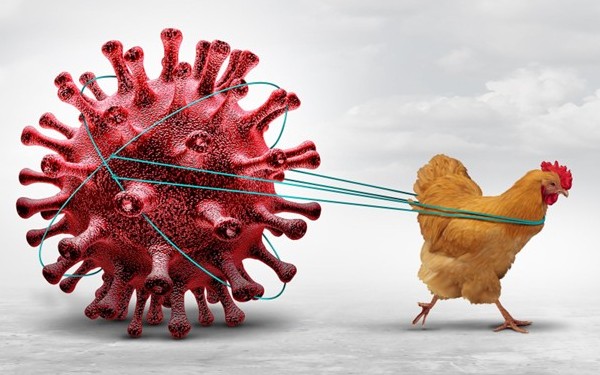
Avian influenza can spread among birds and, in some circumstances, between birds and mammals. The virus may be transmitted through direct contact with infected animals as well as through contaminated feed, water, equipment, clothing, vehicles and environmental surfaces.
Understanding these different pathways is essential because controlling bird flu transmission requires more than simply separating visibly sick birds from healthy ones.
Transmission Between Birds and Mammals
Different animal groups can contribute to the circulation and spread of avian influenza viruses. The risk and importance of transmission vary according to the virus, animal species, production system and level of exposure.
- Poultry
Domestic poultry are particularly vulnerable to outbreaks of highly pathogenic avian influenza. Chickens, turkeys, ducks and other farmed birds can become infected following contact with infected birds or contaminated materials. Infected poultry may shed virus through respiratory secretions, saliva and feces. Once introduced into a flock, the virus can spread rapidly, particularly where birds are kept at high density or where biosecurity practices are inadequate.
- Wild Birds
Wild aquatic birds, particularly waterfowl, are important natural hosts and reservoirs for many avian influenza viruses. Migratory birds can carry viruses over considerable distances and introduce them into new geographical areas. Contact between wild birds and domestic poultry may occur directly or indirectly through contaminated water, feed, equipment or outdoor areas. Preventing such contact is therefore a fundamental component of poultry biosecurity.
- Livestock and Other Mammals
Some avian influenza viruses can infect mammals. In recent years, highly pathogenic H5 viruses have been detected in several mammalian species, including dairy cattle and other domestic and wild mammals.
Transmission to mammals is generally associated with exposure to infected birds, contaminated environments or infected animals. The emergence of avian influenza in mammalian populations is particularly important because it creates additional pathways for viral adaptation and spread.
- Humans
Human infection with avian influenza viruses is uncommon and is generally associated with close or prolonged exposure to infected birds, infected mammals or contaminated environments without appropriate protection. People working closely with poultry or other potentially infected animals may face greater occupational exposure. Although sustained human-to-human transmission of H5N1 has not been established, preventing exposure remains important for both individual and public health.
Routes of Transmission
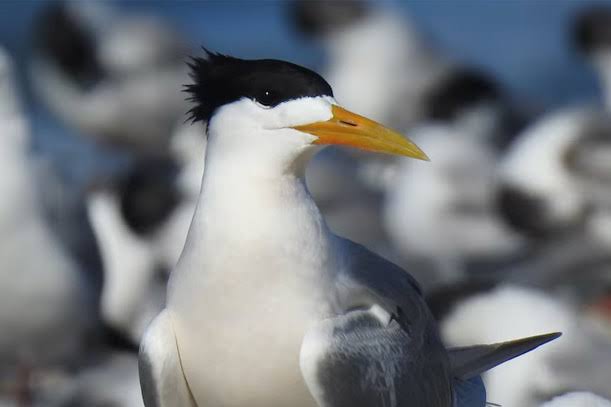
Bird flu transmission does not depend on direct contact alone. The virus can move between locations through contaminated materials and environments, allowing apparently healthy birds to become exposed without direct contact with an infected animal.
- Direct Contact
Direct contact occurs when susceptible poultry come into contact with infected birds or their respiratory secretions, saliva or feces. Introducing infected birds into a flock is an important potential source of transmission. Wild birds can also introduce the virus when they come into contact with domestic poultry or shared resources.
- Feed and Water
Contaminated feed and drinking water can contribute to the spread of avian influenza when they become contaminated with infected secretions or fecal material. Feed and water sources should therefore be protected from wild birds, rodents and other potential sources of contamination. Feed should be stored in clean, protected areas, while drinking systems should be regularly cleaned and maintained.
- Equipment, Clothing and Vehicles
People and equipment can mechanically transfer infectious material between poultry houses, farms and different areas of the same facility.
Shared tools, footwear, protective clothing, transport vehicles, crates and other equipment may become contaminated. Proper cleaning, disinfection and movement control are therefore essential elements of biosecurity.
- Contaminated Environment
Avian influenza viruses can persist in contaminated environments under favorable conditions. Litter, manure, housing surfaces, cages, footwear and other materials may become sources of exposure. Poor sanitation and uncontrolled movement between contaminated and clean areas can increase the risk of spread. Environmental hygiene should therefore be considered an integral part of disease prevention.
Symptoms and Diagnosis
Clinical signs of avian influenza can vary depending on the virus strain, bird species, age, immune status and the presence of other diseases. In highly pathogenic infections, disease may progress rapidly and mortality can occur before obvious clinical signs are recognized.
Symptoms in Poultry
Potential signs of avian influenza in poultry include:
- Sudden or unexplained mortality
- Depression and reduced activity
- Reduced feed and water consumption
- Respiratory signs such as coughing, sneezing or difficulty breathing
Swelling of the head, face or comb - Cyanosis or discoloration of the comb and wattles
- Reduced egg production
- Poor eggshell quality
- Diarrhea
- Neurological abnormalities such as tremors, incoordination or abnormal movements
- Reduced growth and production performance
These signs are not specific to avian influenza and may also occur with other infectious or management-related problems. Therefore, clinical observation alone cannot confirm an outbreak.
Diagnosis in Poultry
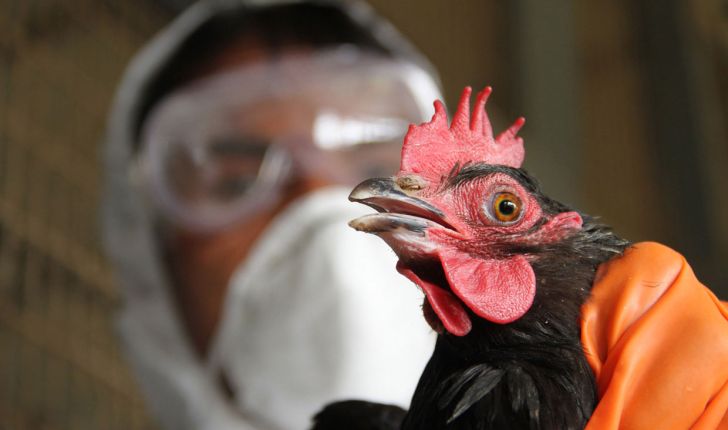
Suspected cases require appropriate laboratory investigation. Diagnostic testing may involve the collection of respiratory or other relevant samples followed by laboratory detection and characterization of the virus.
Because highly pathogenic avian influenza can spread rapidly, suspected outbreaks should be handled promptly and according to veterinary authority requirements. Early detection and reporting can significantly improve the ability to control disease spread.
Prevention of avian influenza
Effective prevention of avian influenza depends primarily on biosecurity, surveillance, appropriate flock management and rapid response to suspected cases. Nutrition can support general flock health, but no feed ingredient can prevent or cure avian influenza.
Biosecurity
Biosecurity is the first line of defense against bird flu transmission in poultry production. Farms should limit unnecessary access and maintain clear separation between clean and potentially contaminated areas. Important measures include:
- Restricting farm access to essential personnel
- Using dedicated footwear and protective clothing
- Cleaning and disinfecting equipment regularly
- Controlling vehicle movement
- Preventing contact between poultry and wild birds
- Protecting feed and water from contamination
- Controlling rodents and other pests
- Managing litter, manure and carcasses appropriately
- Avoiding the introduction of birds from unknown or high-risk sources
- Monitoring birds for unusual illness or mortality
- Reporting suspected cases promptly
Biosecurity works best when these measures are applied consistently rather than only after an outbreak has occurred.
Feed, Water and Nutrition
Good feed and water management contributes to maintaining healthy poultry and reducing opportunities for environmental contamination. Feed should be protected from wild birds, rodents, moisture and fecal contamination, while water systems should be kept clean and routinely inspected.
Nutritional management is also important because inadequate nutrient supply or prolonged environmental stress can compromise flock performance and resilience. However, it is important to distinguish nutritional support from disease control: ingredients used in poultry diets are not antiviral treatments for avian influenza.
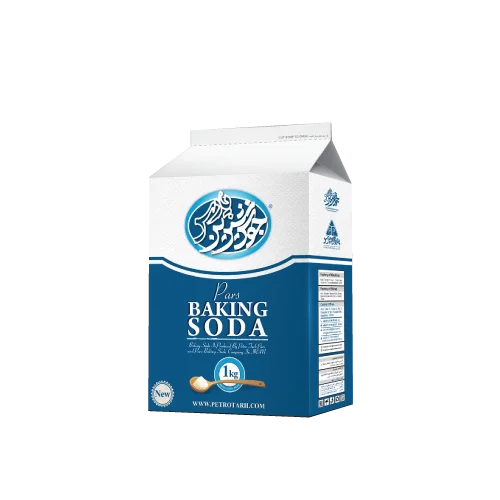
For example, Feed Grade sodium bicarbonate can provide sodium and bicarbonate and may contribute to electrolyte and acid–base balance when correctly incorporated into a properly formulated poultry diet. Its role is nutritional and physiological, not antiviral. When selecting Feed Grade Sodium Bicarbonate Suitable for Poultry, producers should consider product purity, consistency, appropriate specifications and suitability for feed applications. Reliable sourcing and proper storage are also important for maintaining ingredient quality.
Products such as Pars Baking Soda may be considered as part of a broader feed ingredient sourcing strategy, provided the product specifications and intended feed application are appropriate.
Vaccination
Vaccination can be an important component of avian influenza control programs in some regions and production systems. However, its use depends on national regulations, epidemiological conditions, circulating strains and veterinary recommendations.
A properly designed poultry vaccination program should be integrated with surveillance, biosecurity and other disease-control measures. Vaccination should not be viewed as a substitute for preventing exposure to infected birds or contaminated materials.
Environmental Management
Environmental conditions can influence flock health and the effectiveness of disease-control practices. Adequate ventilation, appropriate stocking density, clean housing and effective litter management can help maintain a healthier production environment.
Heat stress is another important management challenge. High temperatures can reduce feed intake, alter water consumption and affect electrolyte balance. Providing adequate ventilation, cooling, clean drinking water and properly formulated nutritional support can help birds cope with environmental stress.
Sodium bicarbonate may have a role in nutritional electrolyte management under appropriate conditions, but its use should always be based on the overall diet formulation and the flock’s specific requirements. It should never be considered a treatment for avian influenza.
What to Do in Suspected Cases
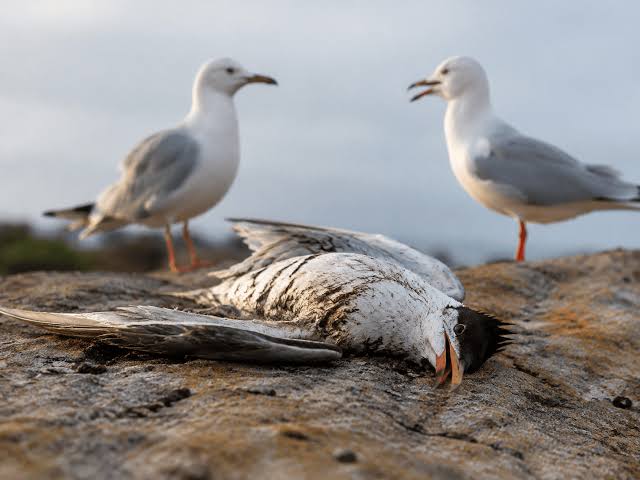
When avian influenza is suspected, rapid and controlled action is essential. Unnecessary movement of birds, people, vehicles, equipment and potentially contaminated materials should be minimized.
Farm personnel should avoid unnecessary contact with suspected infected birds and use appropriate protective equipment when exposure cannot be avoided. The relevant veterinary authority should be contacted promptly so that appropriate sampling, laboratory testing, movement controls and other response measures can be implemented.
Farm records can also be valuable during an investigation. Information about bird movements, recent introductions, visitors, vehicles, equipment sharing and possible contact with wild birds can help identify potential transmission pathways. Most importantly, suspected cases should not be managed solely on the basis of clinical signs. Professional veterinary assessment and laboratory confirmation are necessary to establish the diagnosis and determine the appropriate response.
Conclusion
Avian influenza remains an important challenge for poultry production because highly pathogenic strains can spread rapidly and cause severe disease and significant flock losses. Bird flu transmission can occur through infected birds, wild bird contact, contaminated feed and water, equipment, clothing, vehicles and the wider farm environment.
For poultry producers, prevention should begin with strong biosecurity and continue through effective environmental management, clean feed and water systems, appropriate nutrition, surveillance and, where recommended, vaccination. Nutritional ingredients such as sodium bicarbonate may support electrolyte and physiological balance, but they cannot replace disease-control measures. Early recognition, rapid reporting and strict control of potential transmission routes remain among the most important tools for protecting poultry flocks from avian influenza.