
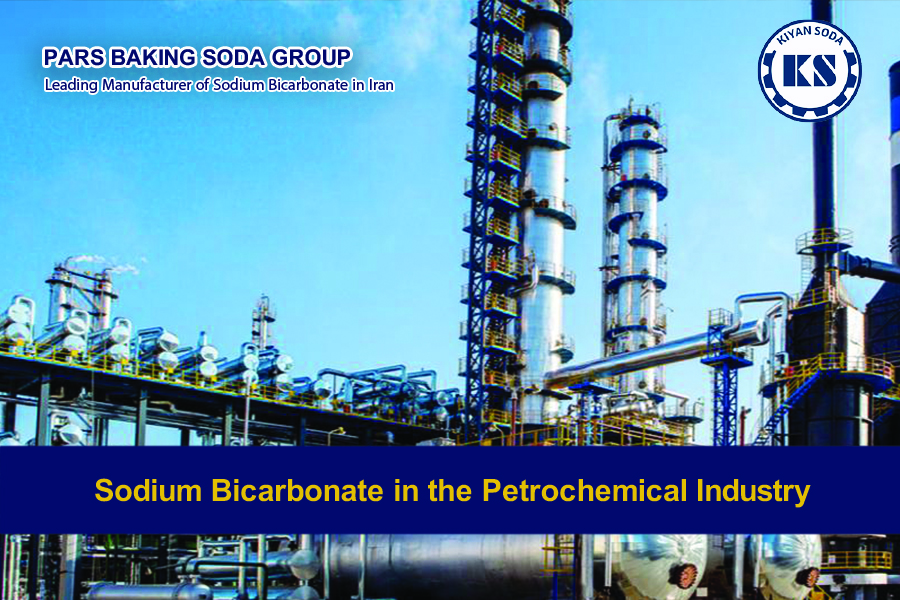
The oil and gas industry depends on a wide range of chemical materials to maintain operational efficiency, control fluid properties, and manage challenging conditions during exploration, drilling, production, and processing. A key example is the role of sodium bicarbonate in petrochemical industry operations, where this compound serves specific functions in water-based drilling fluids, wellbore treatment, and various downstream processes. The use of baking soda oil drilling applications highlights how a common chemical can provide targeted solutions in demanding industrial environments. This article examines both upstream drilling applications and broader petrochemical uses, providing a complete picture for technical buyers and industrial users. Although commonly known as baking soda, industrial sodium bicarbonate serves a far more specialized purpose in oilfield and petrochemical operations. Its buffering and neutralization properties make it useful for managing drilling-fluid conditions, particularly cement contamination, as well as addressing pH control needs in processing and refining. For industrial buyers, the value of sodium bicarbonate depends not only on its chemical identity but also on consistent quality, appropriate grade, reliable supply, and suitability for the intended application.
The Chemical Foundation of Sodium Bicarbonate
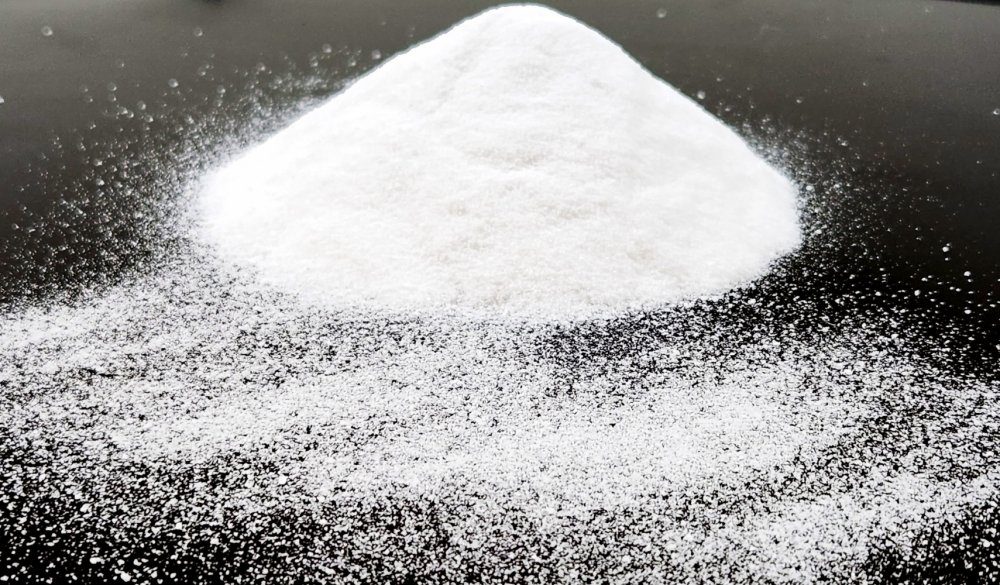
Sodium bicarbonate (NaHCO₃) is a white, crystalline compound that, when dissolved in water, participates in acid-base reactions and acts as a relatively mild buffer. Unlike stronger alkaline chemicals that can overshoot treatment targets and create new problems, sodium bicarbonate offers a controlled and predictable response, making it a precise tool for managing complex fluid chemistry in petrochemical operations.
Why Buffering Behavior Matters in Oilfield Operations
In oil and gas operations, sodium bicarbonate is particularly relevant to water-based mud systems. Drilling fluids must maintain carefully controlled chemical and physical properties throughout the drilling process. Changes in pH, alkalinity, calcium concentration, and contamination levels can affect clay behavior, polymer performance, rheology, and fluid stability. A controlled buffering agent allows operators to make precise adjustments without destabilizing the entire mud system.
The Cement Contamination Problem
One of the most established applications of sodium bicarbonate is the treatment of cement contamination in water-based drilling muds. When cement hydrates, it produces calcium hydroxide, which introduces calcium ions and hydroxide ions into the drilling fluid. These contaminants contribute to clay flocculation and polymer precipitation, directly affecting mud system performance. Sodium bicarbonate addresses this problem by reacting with calcium ions and promoting their precipitation as calcium carbonate while helping neutralize excess hydroxide. This makes it a targeted chemical treatment rather than a general-purpose replacement for other alkaline additives.
It is also important to distinguish sodium bicarbonate from sodium carbonate, commonly known as soda ash. Although both materials can be used in drilling-fluid treatment, they are not interchangeable in every situation. Soda ash is widely used for many types of calcium contamination, while sodium bicarbonate has a specific and established role in treating cement contamination.
Broader Roles Across the Petrochemical Sector
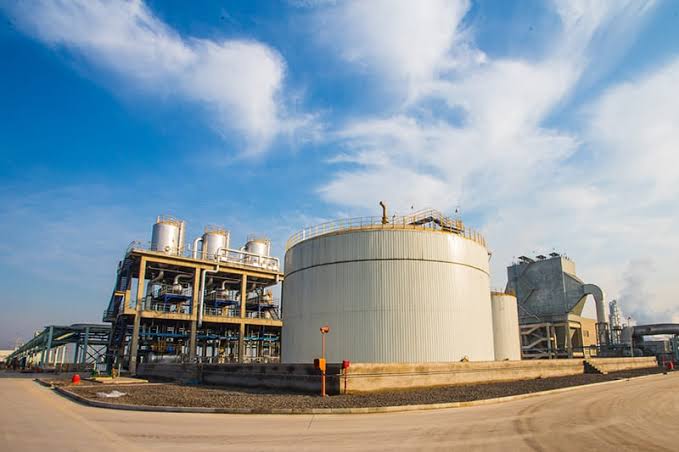
Beyond drilling operations, sodium bicarbonate finds application in several downstream petrochemical processes, extending its value across the production chain.
Acid Gas Neutralization in Refining and Gas Processing
In refineries and gas processing facilities, sodium bicarbonate can be used in flue gas treatment systems for acid gas neutralization, helping facilities meet environmental compliance requirements.
Its mild alkalinity makes it suitable for controlled pH adjustment in industrial wastewater treatment within processing plants, where aggressive chemicals might create secondary handling or safety concerns. Additionally, certain chemical scrubbing operations benefit from sodium bicarbonate as a safer alternative to stronger alkaline agents.
Procurement Advantages of Multi-Application Materials
While these applications may require different grades, particle specifications, or formulations than drilling-fluid additives, they demonstrate the compound’s versatility across the full petrochemical value chain. For industrial buyers managing multiple operational needs, this broader applicability can simplify procurement when working with suppliers capable of delivering consistent material across different specifications.
Core Applications in Drilling Fluid Management
The primary application of sodium bicarbonate in oil and gas remains drilling-fluid chemistry and the management of specific contamination problems. Its usefulness comes from controlled reactivity, predictable buffering behavior, and the ability to restore fluid properties without introducing additional complications to the mud system.
Cement Contamination Control
Cement contamination occurs when drilling operations pass through or drill out cemented sections of a well. The resulting release of calcium and hydroxide ions changes the chemical environment of a water-based mud.
Sodium bicarbonate can be introduced as a pretreatment or used progressively during drilling to react with calcium ions. The calcium precipitates as calcium carbonate, reducing the concentration of dissolved calcium in the mud. At the same time, the bicarbonate system helps neutralize excess hydroxide.
This is particularly relevant because excessive calcium and high alkalinity interfere with the behavior of clays and polymers used in drilling fluids. Treating the contamination helps restore the mud toward its intended chemical condition and reduces the risk of non-productive time caused by fluid-related drilling problems.
pH and Alkalinity Management
Drilling fluids require controlled alkalinity rather than simply the highest possible pH. Different additives are selected according to the desired fluid chemistry and the type of contamination being treated.
Sodium bicarbonate functions as a relatively mild buffering agent and can be used for specific alkalinity-control requirements in drilling fluids. Its role is different from that of stronger alkaline materials such as sodium hydroxide, which may be selected when a substantial increase in pH is required. For this reason, sodium bicarbonate should be regarded as a targeted treatment material. Its application should be based on fluid testing and the overall treatment program rather than used as a universal solution for every drilling-fluid problem.
Water-Based Drilling Fluid Performance
The chemistry of drilling mud directly influences rheology, filtration behavior, clay stability, and interactions with other additives. Uncontrolled contamination can increase treatment requirements, raise operational costs, and contribute to inefficient drilling operations.
By addressing specific calcium and hydroxide contamination, sodium bicarbonate supports the chemical balance required for water-based drilling-fluid performance. The exact treatment strategy depends on the mud formulation, contamination level, water chemistry, and operating conditions.
This is why consistent material quality is important in oilfield applications. Reliable chemical composition and predictable physical characteristics allow operators to control treatment quantities more accurately and reduce uncertainty during fluid conditioning. Inconsistent raw materials, by contrast, introduce variability that complicates an already demanding operational environment.
Technical Benefits Summary
The value of sodium bicarbonate in drilling operations comes from its specific chemical behavior. Key technical benefits include:
- Controlled Chemical Reactivity: Provides a milder buffering action than strong alkaline chemicals, allowing operators to select it for situations where controlled treatment is more appropriate than aggressively increasing the pH.
- Targeted Cement Contamination Treatment: Its ability to react with calcium ions makes sodium bicarbonate particularly useful when drilling through cement-contaminated sections. Calcium carbonate precipitation reduces dissolved calcium and helps limit undesirable effects.
- Support for Water-Based Mud Systems: Sodium bicarbonate can be incorporated into water-based drilling-fluid treatment programs where its behavior is evaluated alongside other fluid additives, based on mud system characteristics and confirmed through field or laboratory testing.
- Operational and Cost Considerations: Effective fluid treatment helps reduce problems that might otherwise require additional conditioning, chemical treatment, or operational intervention. The economic benefit depends on correctly identifying the fluid problem and applying an appropriate treatment quantity.
For this reason, industrial buyers should evaluate more than the purchase price. Purity, consistency, packaging, storage stability, technical documentation, and reliable supply all affect the practical value of the material in continuous oilfield operations.
A Buyer’s Guide to Sodium Bicarbonate Grades
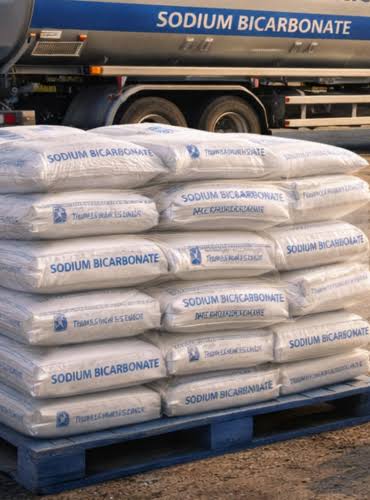
Selecting sodium bicarbonate for oilfield or petrochemical applications requires more than checking the chemical name on a specification sheet. The material should be appropriate for the intended application and supplied with consistent quality from a reliable manufacturer or supplier.
Key Selection Criteria for Buyers
For drilling operations and petrochemical processes, buyers should consider:
- Chemical purity and consistency
- Particle size and physical characteristics
- Moisture content and resistance to caking
- Packaging suitable for transportation and storage
- Batch-to-batch consistency
- Technical specifications and Safety Data Sheet (SDS)
- Supply capacity for continuous or bulk requirements
- Compatibility with the intended fluid treatment program or process
Supplier Reliability and Material Consistency
For companies sourcing industrial-grade sodium bicarbonate, supplier reliability is particularly important because inconsistent material quality can complicate dosing and fluid management. A supplier with documented quality control processes and consistent technical documentation reduces the operational risk associated with variable raw materials.
Storage and Handling Requirements
Proper storage is also necessary. Sodium bicarbonate should generally be protected from excessive moisture and contamination and kept in suitable packaging until use. Industrial handling should follow the supplier’s SDS and site-specific chemical-handling procedures. Even high-quality material can degrade if storage conditions are not properly managed.
Matching Product Grade to Application
Companies operating across multiple industrial applications may also evaluate different Baking Soda products according to their required grade, purity, particle characteristics, packaging format, and intended end use. The appropriate specification should always be selected according to the technical requirements of the application rather than simply choosing a general-purpose grade.
For large-scale operations, buyers may also consider bulk supply capability, delivery reliability, documentation, and batch consistency when comparing sodium bicarbonate suppliers. These factors are particularly important when the material forms part of a recurring industrial treatment program where supply interruptions can have significant operational consequences.
Safety and Complementary Industrial Applications
Beyond its role in drilling fluids and petrochemical processing, sodium bicarbonate contributes to operational safety through approved dry chemical fire-extinguishing formulations. A sodium bicarbonate fire extinguisher uses a formulated dry chemical agent designed for specific fire hazards, including flammable-liquid and energized electrical equipment fires.
Fire Safety in Oil and Gas Environments
This application is particularly relevant to oil and gas environments because facilities routinely contain flammable liquids, gases, fuels, and electrical equipment, all of which present fire risks that must be managed as part of a comprehensive safety program.
Raw Material vs. Formulated Extinguishing Agent
However, ordinary industrial sodium bicarbonate should not be assumed to be directly suitable for filling or recharging a certified fire extinguisher. A formulated extinguishing agent must meet specific performance and safety requirements, including controlled particle characteristics, verified flowability, demonstrated moisture resistance, and appropriate regulatory approvals. Each of these factors directly affects the reliability of the extinguisher in an emergency. Therefore, industrial sodium bicarbonate and finished fire-extinguishing formulations should be treated as distinct products with different specifications, testing requirements, and intended uses. Fire protection equipment should always be selected and maintained according to applicable standards, equipment approvals, hazard classifications, and site-specific safety requirements.
Conclusion
Sodium bicarbonate plays a focused but valuable role across the petrochemical industry. In upstream drilling, it treats cement contamination by managing calcium and hydroxide ions to restore mud chemistry. In downstream refining and processing, it supports acid gas neutralization, wastewater pH control, and environmental compliance. Its use in oil drilling shows how a familiar chemical serves a highly technical purpose when supplied at the right grade. Effective industrial chemicals don’t need to be the strongest—they need to be precise and consistent.
For buyers, selecting the correct grade, ensuring consistent quality, and matching specifications to the application are essential. Reliable supply, backed by proper documentation, enables predictable treatment across the entire petrochemical value chain.
For technical datasheets or bulk inquiries, contact Pars Baking Soda today.
FAQ
Sodium bicarbonate is primarily used in water-based drilling fluids to treat cement contamination. It reacts with calcium ions and helps neutralize excess hydroxide associated with cement contamination, restoring suitable mud chemistry.
Yes. Industrial sodium bicarbonate, commonly called “bicarb” at drilling sites, is used in specific water-based mud treatment applications, particularly for cement contamination control.
Sodium bicarbonate and soda ash (sodium carbonate) have different roles in drilling-fluid treatment. Soda ash is commonly used to treat various calcium-contamination problems, while sodium bicarbonate has a specific and established application in treating cement contamination.
The appropriate grade depends on the drilling-fluid formulation, treatment objective, operating conditions, and required material specifications. Buyers should evaluate purity, consistency, particle characteristics, moisture control, technical documentation, and compatibility with the intended application before selecting a product.
Sodium bicarbonate is used as an active dry chemical in certain approved fire-extinguishing formulations, particularly for Class B and Class C hazards. However, ordinary industrial sodium bicarbonate should not be assumed to be suitable for direct use in a certified extinguisher.
Buyers should evaluate purity, consistency, particle characteristics, moisture control, packaging, technical documentation, supply reliability, bulk availability, and compatibility with the intended drilling-fluid treatment program. Supplier quality control and batch-to-batch consistency are equally critical.